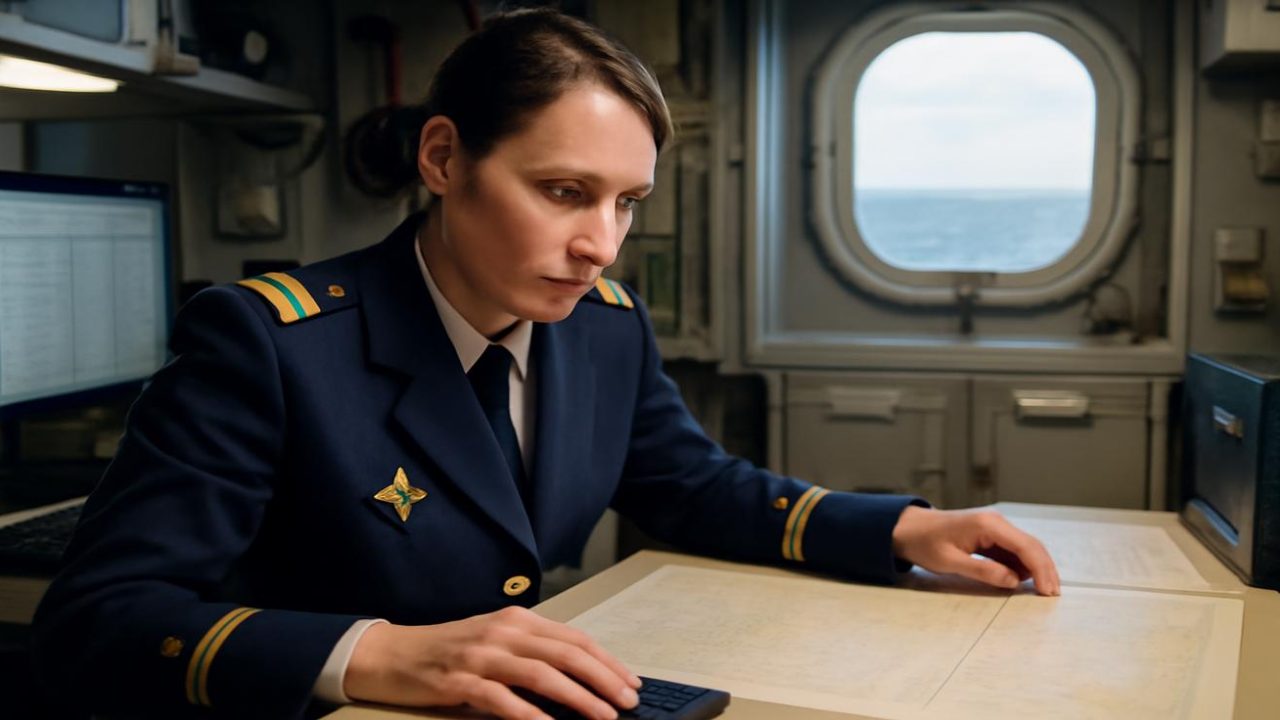
The aroma of strong coffee drifts through steel corridors as sailors line up for breakfast somewhere in the middle of the Pacific Ocean. Behind the serving line, white uniforms move with practiced precision, ensuring every crew member receives not just food, but a moment of normalcy in an extraordinary environment. This daily ritual represents the critical work of Navy commissary professionals—and at the helm of these operations stands a figure rarely featured in recruitment materials: the Navy general commissary officer.
These logistics strategists serve as part morale officer, part guardian of what many consider the most underrated weapon in any fleet: a well-fed crew. Their responsibilities extend far beyond moving supplies from storage to serving line, encompassing the complex task of maintaining crew readiness through strategic food service management.
Why Navy Commissary Leadership Matters More Than You Think
Ask any sailor about memorable deployment experiences, and food consistently ranks among the most vivid recollections. The best days feature surprise steak and lobster dinners, unexpected ice cream nights, or fresh fruit after weeks of preserved rations. The challenging days occur when essential equipment fails or when provisions arrive in less-than-ideal condition.

Navy commissary leaders shape what could be called the “emotional weather” aboard ship. Their work supports something deeper than basic nutrition—they maintain crew endurance, operational readiness, and the fundamental sense that personnel are properly cared for during demanding deployments.
Consider a vessel navigating heavy seas: bulkheads strain against the waves, decks tilt dramatically, and sailors grip rails while moving to their stations. In the galley, cookware remains secured, storage containers stay locked down, and ovens continue operating. Breakfast service proceeds on schedule. This coordination requires the kind of systematic thinking that general commissary officers bring to their role.
The Career Path From Mess Line to Management
Most Navy personnel don’t begin their service specifically targeting commissary leadership roles. Instead, they discover their passion for this specialized field through hands-on experience and gradual advancement.

The typical journey often starts at the enlisted level as a Culinary Specialist (CS). New service members learn fundamental kitchen skills under fluorescent lighting, master the challenge of serving 500 meals within tight timeframes, and develop the ability to maintain composure under pressure.
Experience teaches these specialists to read operational patterns—which watch sections consistently arrive at the last minute, which divisions rely heavily on coffee service, and which officers have minimal time for sit-down meals. This situational awareness represents the first layer of commissary leadership: caring enough about the crew experience to manage the complex systems that support it.
| Career Stage | Primary Focus | Key Skills Developed |
|---|---|---|
| Entry Level (Culinary Specialist) | Basic food preparation and service | Kitchen operations, time management |
| Advanced Enlisted | Team leadership and coordination | Personnel management, logistics planning |
| Officer Track | Strategic operations oversight | Budget management, supply chain coordination |
Advancement Opportunities and Leadership Development
Personnel seeking higher-level commissary positions often pursue advancement through the Supply Corps or comparable leadership tracks. In these roles, food service becomes part of a broader portfolio that includes logistics coordination, budget management, and operational planning.

Others choose to maintain focus specifically on culinary and commissary operations, developing specialized expertise in food service management within military environments. Both paths offer opportunities to influence crew welfare and operational effectiveness through strategic food service leadership.
The transition from following established procedures to managing complex food service operations requires developing skills in anticipation, workflow optimization, and personnel management. Successful commissary leaders learn to see beyond immediate tasks to understand the living system of supply chains, timing coordination, and human needs that their work supports.
The Operational Reality of Commissary Leadership
General commissary officers operate in environments where operational demands never pause. Their responsibilities include ensuring continuous food service regardless of weather conditions, coordinating complex supply deliveries to vessels at sea, and maintaining morale through consistent meal quality and service.

This work combines practical logistics management with understanding of human psychology. Effective commissary leaders recognize that food service directly impacts crew morale, which in turn affects operational readiness and mission effectiveness.
The role requires balancing multiple competing priorities: nutritional requirements, budget constraints, storage limitations, and crew preferences. Success depends on developing systems that function smoothly under normal conditions while remaining adaptable enough to handle unexpected challenges.
Skills and Qualities for Success
Effective Navy commissary leadership demands a unique combination of technical knowledge and interpersonal skills. Leaders must understand food safety protocols, supply chain management, and budget administration while also possessing the communication abilities necessary to coordinate diverse teams under challenging conditions.

The most successful commissary officers demonstrate calm decision-making under pressure, attention to detail in logistics planning, and genuine concern for crew welfare. They understand that their work directly supports mission readiness by maintaining the physical and psychological well-being of naval personnel.
These positions also require adaptability, as commissary operations must continue regardless of weather conditions, equipment failures, or supply disruptions. Leaders develop contingency planning skills and learn to maintain service standards even when facing significant operational challenges.
Frequently Asked Questions
What education is required to become a Navy general commissary officer?
The source material does not specify educational requirements for commissary leadership positions, though officer roles typically require completion of relevant military leadership programs.

How long does it take to advance from enlisted culinary specialist to commissary leadership?
The timeline for advancement is not detailed in the available information, as career progression depends on individual performance, available positions, and service needs.
Do Navy commissary officers only work on ships?
Commissary professionals work both on ships and at shore installations, managing food service operations across various Navy facilities.
What is the difference between Supply Corps and commissary-focused career tracks?
Supply Corps positions include food service as part of broader logistics responsibilities, while commissary-focused roles concentrate specifically on culinary and food service operations.

What are the biggest challenges facing Navy commissary leaders?
Based on the source material, key challenges include maintaining service during adverse conditions, coordinating complex supply chains, and ensuring crew morale through consistent food quality and availability.
Can civilians transition into Navy commissary leadership roles?
The source material does not address civilian transition pathways to Navy commissary leadership positions.









Leave a Comment