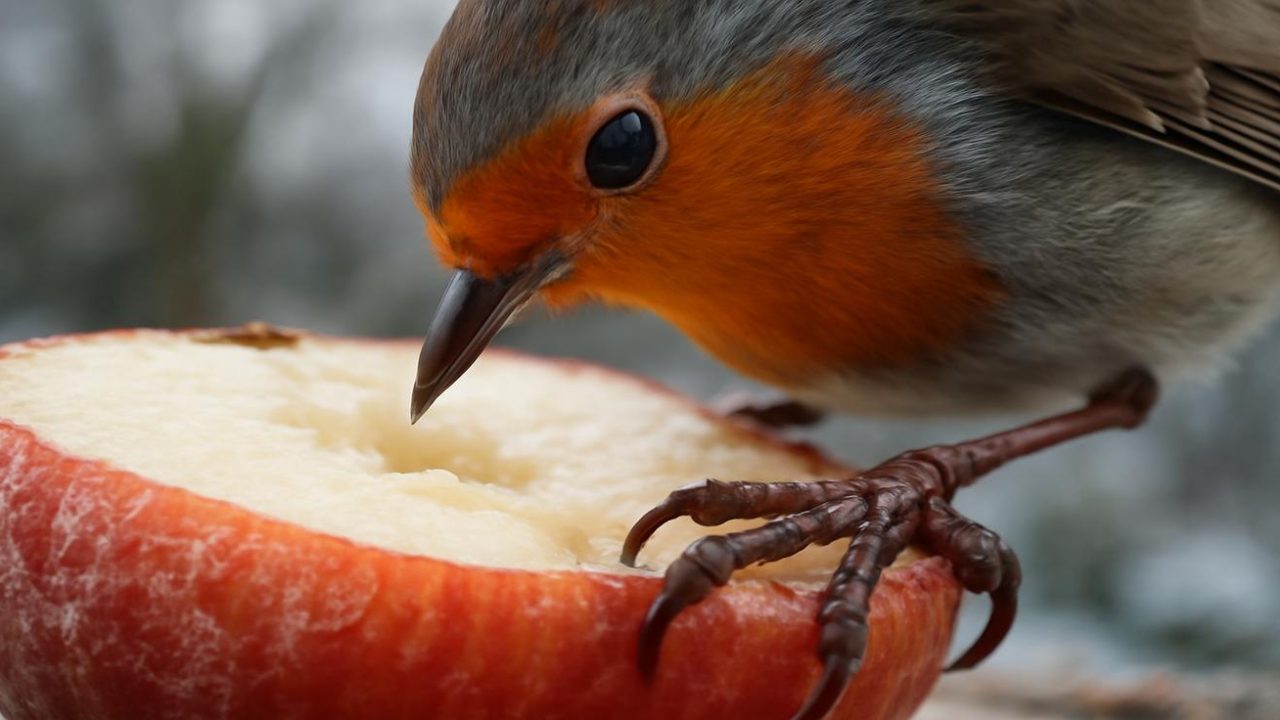
A robin can lose up to 10% of its body weight overnight during harsh winter weather — and the RSPCA says you already have the solution sitting in your kitchen cupboard.
While we bundle up in warm coats and retreat to heated homes, garden robins face a daily survival challenge that most of us never consider. Those cheerful red-breasted birds hopping across frozen soil aren’t just being cute — they’re fighting to find enough calories to make it through another freezing night.
The answer to helping them survive isn’t complicated or expensive. According to RSPCA guidance, one plain kitchen staple can make the difference between life and death for these small birds during cold snaps.

Why Winter Is a Life-or-Death Challenge for Garden Robins
From inside a warm house, winter looks romantic — soft snow, glistening frost, fairy lights twinkling in the darkness. But for garden robins, winter represents something far more urgent: a constant calculation of how to consume enough energy to survive until morning.
When temperatures drop, these tiny birds burn calories at a startling rate just to maintain their body temperature. Their small bodies work overtime to stay warm, creating an energy deficit that becomes dangerous quickly.
During really harsh cold spells, the math becomes brutal. A robin can lose up to 10% of its body weight overnight simply from the energy required to stay alive in freezing conditions. Imagine going to bed knowing that without adequate nutrition today, you might not wake up tomorrow.
The RSPCA has been highlighting this winter crisis for years. Cold weather ranks among the most dangerous times for garden birds, and robins — despite seeming bold and almost tame — face the same life-threatening challenges as other small species.
Their usual food sources become scarce or completely inaccessible. Insects hide deeper underground. Worms retreat below the frost line. Berries disappear or become frozen solid. The ground itself turns into an impenetrable barrier between hungry birds and the nutrition they desperately need.
The Simple Kitchen Solution That Can Save Lives
The RSPCA’s recommendation is refreshingly straightforward: plain, unsalted, grated cheese. Not exotic bird food from specialty stores. Not complicated feeding mixtures. Just ordinary mild cheese that most people already have in their refrigerator.

To us, cheese represents a simple ingredient — something we sprinkle on pasta or add to sandwiches. To a winter robin, those small, fatty shreds become compact energy bundles that can mean the difference between survival and death.
Cheese offers exactly what robins need during cold weather: high-calorie content that’s easy to swallow and quick to digest. When natural food sources disappear under frozen ground, this readily available kitchen staple provides the concentrated nutrition that keeps tiny hearts beating through long, cold nights.
The beauty of this solution lies in its simplicity. You don’t need wildlife expertise or special equipment. Standing at your kitchen counter on a frosty morning, you can prepare a lifeline for the birds sharing your outdoor space in less than a minute.

How to Safely Offer Cheese to Winter Robins
The RSPCA provides specific guidance to ensure this feeding approach helps rather than harms garden birds. Following these guidelines keeps robins safe while maximizing the nutritional benefit.
| Requirement | Details | Why It Matters |
|---|---|---|
| Cheese Type | Plain, mild cheddar or similar | Avoids harmful additives and strong flavors |
| Preparation | Grate or crumble finely | Creates pieces small enough for robin beaks |
| Seasoning | Completely unsalted and unseasoned | Prevents harmful sodium or spice consumption |
| Quantity | Small amounts only | Supplements natural diet without creating dependency |
| Placement | Ground-level tray or low table | Accessible to robins, visible for monitoring |
The prohibited cheese types matter as much as the approved ones. Avoid blue cheese, smoked varieties, or anything with added herbs, garlic, or onion. These ingredients can harm birds even in small quantities.
Salt content presents a particular danger. Birds process sodium differently than humans, and excess salt can cause serious health problems or death. Only offer completely plain, unsalted cheese varieties.

Portion control prevents dependency issues. The goal is supplementing natural foraging, not replacing it entirely. Small amounts scattered on accessible surfaces work better than large piles that might attract unwanted predators or pests.
The Urgent Reality of Robin Winter Survival
On harsh winter afternoons, daylight fades early — and robins recognize this danger long before humans notice the dimming. You might observe them becoming increasingly active, darting between shrubs and investigating every patch of available ground cover.
This frantic activity isn’t random. These birds understand that nightfall brings extended hours without feeding opportunities. Every calorie consumed during daylight hours must sustain them through darkness that can stretch twelve hours or longer.

The energy mathematics are unforgiving. Small birds like robins have high metabolic rates even in mild weather. Cold temperatures force their systems to work exponentially harder, burning through fat reserves and muscle tissue when external food sources run short.
Garden robins that appear friendly or tame often are simply desperate. Their willingness to approach humans frequently reflects the urgency of their situation rather than natural boldness. They’re calculating risks differently when survival hangs in the balance.
Weather forecasts that predict extended cold spells create particularly dangerous conditions. Multiple consecutive nights of freezing temperatures, combined with snow or ice that blocks ground foraging, can quickly overwhelm even healthy birds’ energy reserves.

What This Simple Action Means for Garden Wildlife
Offering appropriate food during winter cold snaps creates ripple effects that extend beyond individual bird survival. Well-fed robins maintain better body condition, improving their chances of successful breeding when spring arrives.
The reliability of supplemental feeding can influence territory establishment and population stability in garden environments. Robins that successfully navigate winter challenges often return to the same areas, creating ongoing relationships between birds and the humans who supported them.
This approach represents a broader principle of wildlife stewardship that doesn’t require extensive knowledge or expensive equipment. Simple actions, taken thoughtfully and consistently, can have meaningful impacts on the creatures sharing our immediate environment.

The timing matters as much as the food itself. Offering cheese during actual cold snaps — when temperatures drop significantly and natural food becomes scarce — provides help exactly when it’s most needed without creating year-round dependency.
Regular monitoring allows you to adjust your approach based on actual bird activity. Some gardens attract multiple robins, while others host solitary individuals. Observing feeding patterns helps determine appropriate quantities and timing.
Frequently Asked Questions
What type of cheese is safest for garden robins?
Plain, mild cheddar or similar varieties that are completely unsalted and contain no herbs, spices, or other additives.
How much cheese should I offer during cold weather?
Small amounts only — enough for a brief feeding session rather than large quantities that might create dependency or attract predators.
Where should I place the cheese for robins to find safely?
On a ground-level tray or low table where you can observe the feeding area but predators cannot easily ambush visiting birds.
Can robins lose significant body weight overnight in winter?
Yes, according to RSPCA information, robins can lose up to 10% of their body weight overnight during harsh cold spells.
Should I offer cheese to robins year-round?
No, this feeding approach is specifically recommended for cold weather when natural food sources become scarce or inaccessible due to freezing conditions.
What cheese types should I avoid giving to garden birds?
Blue cheese, smoked varieties, and any cheese with added salt, herbs, garlic, onion, or other seasonings that could harm birds.









Leave a Comment