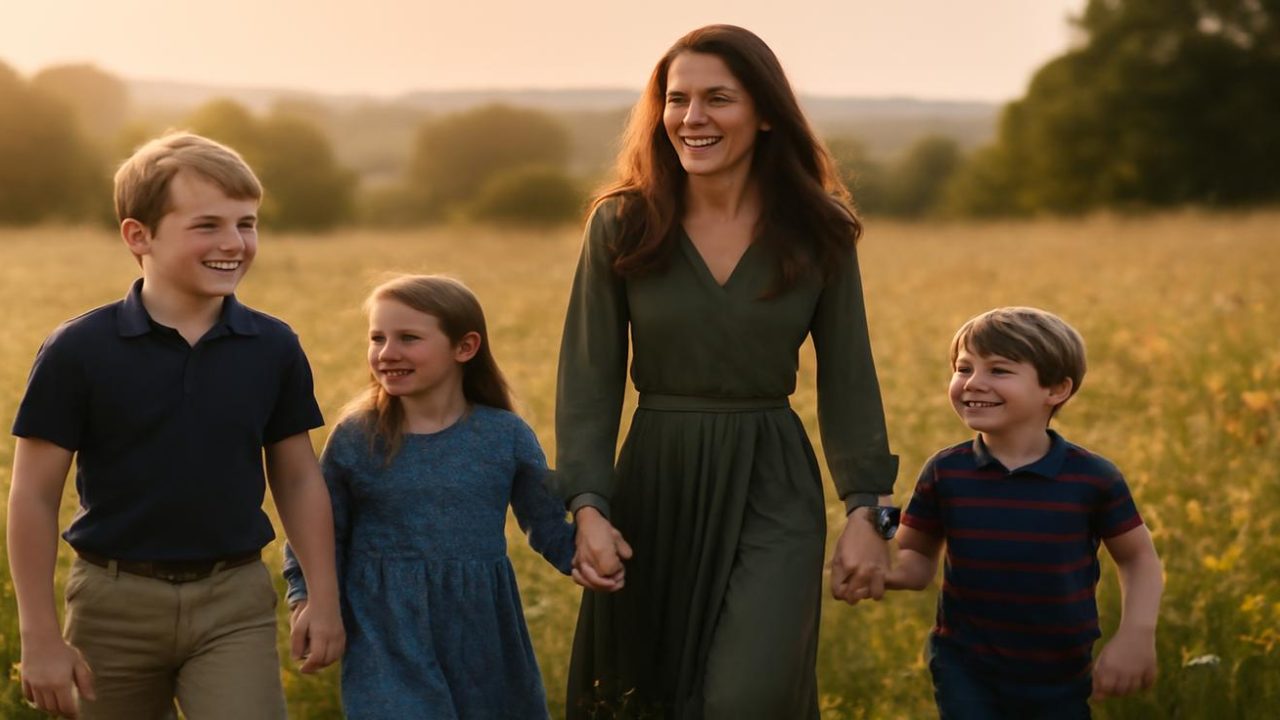
The Princess of Wales celebrates another birthday this January amid one of the most significant transitions the British monarchy has witnessed in decades. As Catherine marks this personal milestone, she continues to navigate her evolving role as a devoted mother, future Queen, and public figure during King Charles III’s early reign.
This birthday arrives at a particularly symbolic moment for the royal family. The institution finds itself balanced between honoring the traditions established during Queen Elizabeth II’s 70-year reign and adapting to new expectations under the current King’s leadership.
For millions watching from afar, Catherine’s journey from Kate Middleton to Princess of Wales represents more than royal protocol—it’s a transformation that resonates with anyone juggling public responsibilities and private family life.

The Woman Behind the Royal Titles
Catherine holds an impressive collection of official titles: Her Royal Highness The Princess of Wales, Duchess of Rothesay, Duchess of Cornwall, and Countess of Strathearn. Yet behind these formal designations lives a woman focused primarily on her role as mother to Prince George, Princess Charlotte, and Prince Louis.
The public glimpses of her parenting style reveal someone determined to provide her children with as normal a childhood as possible, despite the extraordinary circumstances of their birth. Whether guiding Prince George through nervous moments at official events or gently managing Prince Louis’s enthusiastic balcony appearances during Trooping the Colour, Catherine demonstrates the careful balance required of royal parenting.
Her approach to motherhood has never been particularly grand or removed from common experience. She has spoken openly about sleepless nights, the emotional intensity of new parenthood, and the pressure mothers place on themselves—topics that resonate with parents regardless of their social status.

These honest reflections help explain why her words on parenting carry weight with the public. Rather than delivering prepared statements about “family issues,” she speaks with the authenticity of someone who has experienced the quiet challenges of early morning feedings and the constant concern for children growing up under intense public scrutiny.
Navigating Public Life and Private Moments
The contrast between Catherine’s public duties and private life creates a unique set of challenges. The same woman who appears composed at state functions must also handle the everyday chaos of family breakfasts, missing shoes, and last-minute outfit changes before public appearances.
This duality becomes particularly evident during family outings that serve dual purposes as both personal experiences and public engagements. School drop-offs become photo opportunities, and family vacations require security considerations that most parents never face.

The invisible choreography required for these moments—maintaining the calm voice that reassures children they’ll “smile and wave, then come home for lunch”—represents just one aspect of royal parenting that differs dramatically from typical family experiences.
Catherine’s children face the unique challenge of having their childhood documented, analyzed, and replayed across global media platforms. This reality requires a parenting approach that protects their development while preparing them for their eventual public roles.
The Evolution of a Future Queen
More than a decade has passed since Catherine first appeared on Buckingham Palace’s balcony as a young bride, blinking into crowds of faces while finding her footing in a story suddenly much larger than herself. The transformation from that nervous newlywed to today’s confident Princess of Wales reflects both personal growth and institutional adaptation.

The spotlight that once felt overwhelming has become a tool she uses purposefully, directing attention toward causes and issues she considers meaningful. Her approach to royal duties demonstrates someone who has learned not merely to survive public scrutiny but to channel it constructively.
This evolution occurs within the broader context of royal modernization. As the monarchy adapts to contemporary expectations while maintaining traditional elements, Catherine’s role becomes increasingly significant as a bridge between old and new approaches to royal service.
| Royal Title | Region/Context | Significance |
|---|---|---|
| Princess of Wales | Wales | Primary title, traditionally held by heir’s spouse |
| Duchess of Rothesay | Scotland | Scottish equivalent of Princess of Wales |
| Duchess of Cornwall | Cornwall | Historic title associated with heir to throne |
| Countess of Strathearn | Scotland | Additional Scottish peerage title |
Inspiring Others Through Authentic Leadership
Catherine’s influence extends beyond traditional royal patronages and ceremonial duties. Her approach to public service emphasizes genuine engagement over formal protocol, creating connections that feel authentic rather than obligatory.

The way she interacts with children during official visits—crouching to their eye level, engaging in actual conversations rather than brief pleasantries—demonstrates a leadership style that prioritizes human connection over rigid formality.
This authenticity resonates particularly strongly with other mothers who see someone successfully managing the impossible balance between personal fulfillment and public responsibility. Her willingness to acknowledge the challenges rather than pretend perfection makes her relatable despite her extraordinary circumstances.
The causes she champions often reflect personal understanding rather than assigned duties. Her focus on early childhood development, mental health awareness, and family support stems from genuine conviction rather than royal obligation.

Looking Ahead During Royal Transition
As King Charles III establishes his reign’s character and priorities, Catherine’s role continues evolving. The transition period following Queen Elizabeth II’s death created space for redefining royal responsibilities while maintaining institutional stability.
This birthday marks not just a personal milestone but a moment of institutional significance. The woman who will eventually become Queen Consort continues developing the leadership style and public persona that will define her future reign.
The challenges ahead include maintaining the delicate balance between accessibility and majesty, between modern relatability and royal dignity. Catherine’s approach to these competing demands will likely influence how the monarchy adapts to changing social expectations.

Her children’s upbringing during this transitional period will also shape the monarchy’s future character. The parenting decisions made now—how much normalcy to preserve, how early to introduce royal responsibilities—will influence the next generation’s relationship with their inherited duties.
Frequently Asked Questions
What are Catherine’s official royal titles?
She holds several titles including Princess of Wales, Duchess of Rothesay, Duchess of Cornwall, and Countess of Strathearn.
How many children does the Princess of Wales have?
Catherine and Prince William have three children: Prince George, Princess Charlotte, and Prince Louis.

When did Catherine become Princess of Wales?
She received this title following King Charles III’s accession to the throne and Prince William’s elevation to heir apparent.
What makes this birthday particularly significant?
This birthday occurs during a historic royal transition period as the monarchy adapts to King Charles III’s reign following Queen Elizabeth II’s 70-year rule.
How does Catherine balance royal duties with motherhood?
She has spoken about the challenges of managing public responsibilities while prioritizing her children’s need for as normal a childhood as possible despite their royal status.
What causes does the Princess of Wales support?
Her focus areas include early childhood development, mental health awareness, and family support initiatives that reflect her personal convictions and experiences.











Leave a Comment