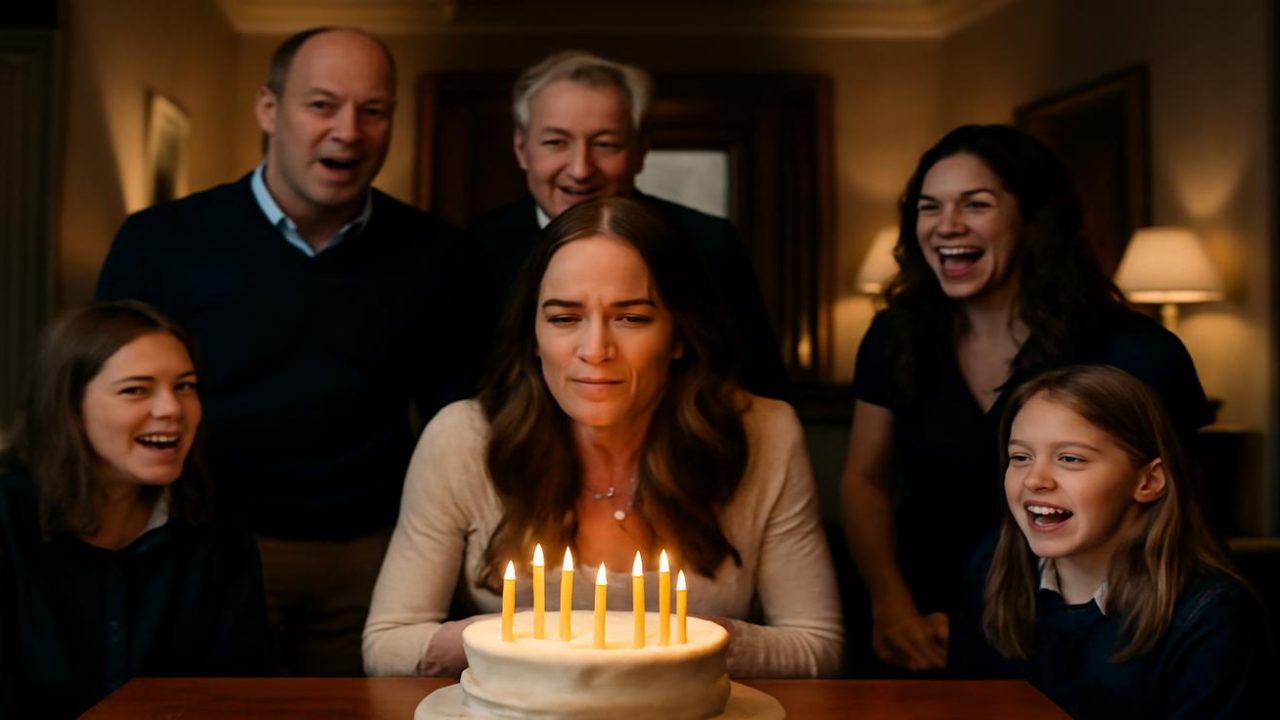
Catherine, Princess of Wales, celebrates another birthday today, marking over a decade of quietly reshaping what modern royal duty looks like in an era of constant scrutiny and rapid social change. Since marrying Prince William in 2011, she has transformed from a university student into a future queen consort who has redefined royal engagement through her focus on early childhood development, mental health advocacy, and hands-on community work.
The Princess’s birthday arrives during what many consider a pivotal moment for the British monarchy, as she continues to build her influence through what observers describe as “soft power” – using participation rather than distance to connect with the public she serves.
Her approach represents a departure from traditional royal protocol, emphasizing genuine connection over ceremonial distance in ways that have quietly but significantly influenced how the modern monarchy operates.

A Modern Princess Who Leads Through Participation
Catherine’s leadership style has evolved around direct engagement with the communities and causes she champions. Rather than limiting herself to ribbon-cutting ceremonies and formal speeches, she regularly participates in activities that allow her to connect authentically with the people she meets.
Her work spans several key areas that often receive less attention in traditional royal duties. She has focused extensively on early childhood development, recognizing that the earliest years of a child’s life have profound impacts on their future wellbeing and success.
Mental health advocacy has become another cornerstone of her public work. The Princess has worked to reduce stigma around mental health challenges, particularly those affecting young people and families who often feel unsupported by existing systems.

Sports and physical activity represent another area where Catherine has demonstrated her participatory approach. She regularly joins in rugby games, sailing activities, and other physical challenges, treating these not as photo opportunities but as genuine ways to connect with young people.
The Princess of Wales Birthday: Key Milestones and Achievements
Over the years since her 2011 wedding, Catherine has built a substantial portfolio of patronages and initiatives that reflect her commitment to long-term social impact rather than short-term publicity.
Her work often focuses on issues that are complex, unglamorous, or invisible to mainstream attention. This includes supporting families dealing with mental health struggles, working in community centers far from palace walls, and spending time in classrooms and kitchen tables with families who never expected to sit across from royalty.

- Championed early childhood development through research and community programs
- Advocated for mental health awareness and support systems
- Promoted physical activity and sports participation among young people
- Supported families facing emotional and developmental challenges
- Worked to make royal engagement more accessible and relatable
The Princess has demonstrated that effective royal influence often happens away from grand ceremonial halls, in spaces where real conversations about difficult topics can take place without the pressure of formal protocol.
How Catherine Has Redefined Royal Engagement
Traditional royal duties often emphasized maintaining appropriate distance between the monarchy and the public. Catherine’s approach has challenged this model by emphasizing genuine connection and shared experience.
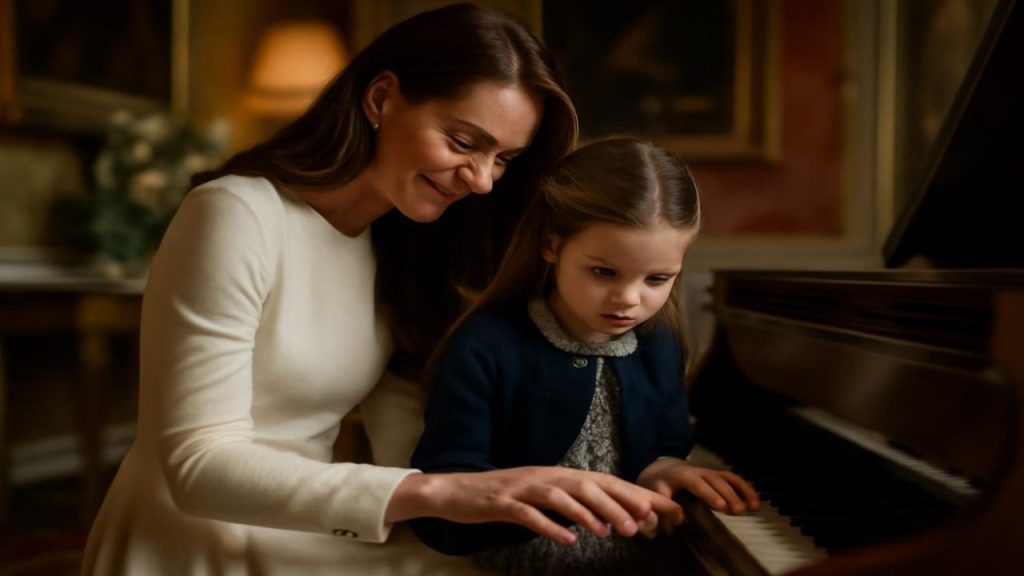
Her method includes practical elements that signal a different kind of royal presence. She regularly kneels to speak with children at their eye level during public engagements. She gives patient, unhurried attention to parents discussing sensitive family challenges.

These seemingly small details represent a deliberate pattern of leadership based on accessibility rather than formality. The approach has allowed her to address topics that previous generations of royals might have found difficult to discuss publicly.
| Traditional Royal Approach | Catherine’s Modern Approach |
|---|---|
| Ceremonial distance | Direct participation |
| Formal speeches | Personal conversations |
| Grand venues | Community centers and classrooms |
| Protocol-focused | Relationship-focused |
This shift has allowed her to tackle subjects like childhood emotional development and family mental health challenges that require trust and authenticity rather than formal authority.
The Broader Impact of Her Birthday Milestone
Royal birthdays traditionally serve as moments for national reflection about the monarchy’s role in contemporary society. Catherine’s birthday provides an opportunity to assess how her approach has influenced public perception of royal duty and effectiveness.

Her influence extends beyond individual interactions to broader conversations about how institutions can remain relevant while adapting to changing social expectations. The Princess has shown that maintaining tradition doesn’t require avoiding innovation or authentic connection.
Public response to her work suggests that many people appreciate seeing royalty engaged in practical problem-solving rather than purely ceremonial roles. Her focus on early childhood development, in particular, addresses issues that affect families across all social and economic backgrounds.
The work she has pioneered around mental health has contributed to broader cultural shifts in how these topics are discussed publicly, demonstrating how royal influence can support positive social change without overstepping appropriate boundaries.

Looking Forward: What This Birthday Represents
As Catherine celebrates another year, her birthday marks more than a personal milestone – it represents the continued evolution of a royal role that bridges traditional expectations with contemporary needs.
Her approach has established a template for how future royals might engage with public service, emphasizing substance over spectacle and long-term impact over short-term attention.
The Princess has demonstrated that effective modern royalty requires the ability to participate authentically in the lives and challenges of the people they serve, while maintaining the dignity and stability that traditional monarchy provides.

Her birthday celebration reflects not just personal achievement, but the success of a decade-long experiment in making royal duty more accessible, relevant, and genuinely helpful to the communities it aims to serve.
Frequently Asked Questions
When did Catherine become Princess of Wales?
Catherine became Princess of Wales following her marriage to Prince William in 2011, though she has grown into this role over the subsequent decade.
What are Catherine’s main areas of focus in her royal duties?
She primarily focuses on early childhood development, mental health advocacy, and promoting physical activity and sports participation among young people.

How has Catherine changed traditional royal engagement?
She emphasizes direct participation and genuine connection over ceremonial distance, often working in community settings and having personal conversations about difficult topics.
What makes Catherine’s approach to royal duty different?
Her method prioritizes authentic relationship-building and practical problem-solving rather than purely formal or ceremonial interactions.
Why do royal birthdays matter for public discussion?
Royal birthdays serve as natural moments for reflecting on how the monarchy functions in contemporary society and assessing the impact of individual royals’ work.
What has been the public response to Catherine’s work style?
Public response suggests appreciation for seeing royalty engaged in practical, helpful work that addresses real challenges facing families and communities.










Leave a Comment