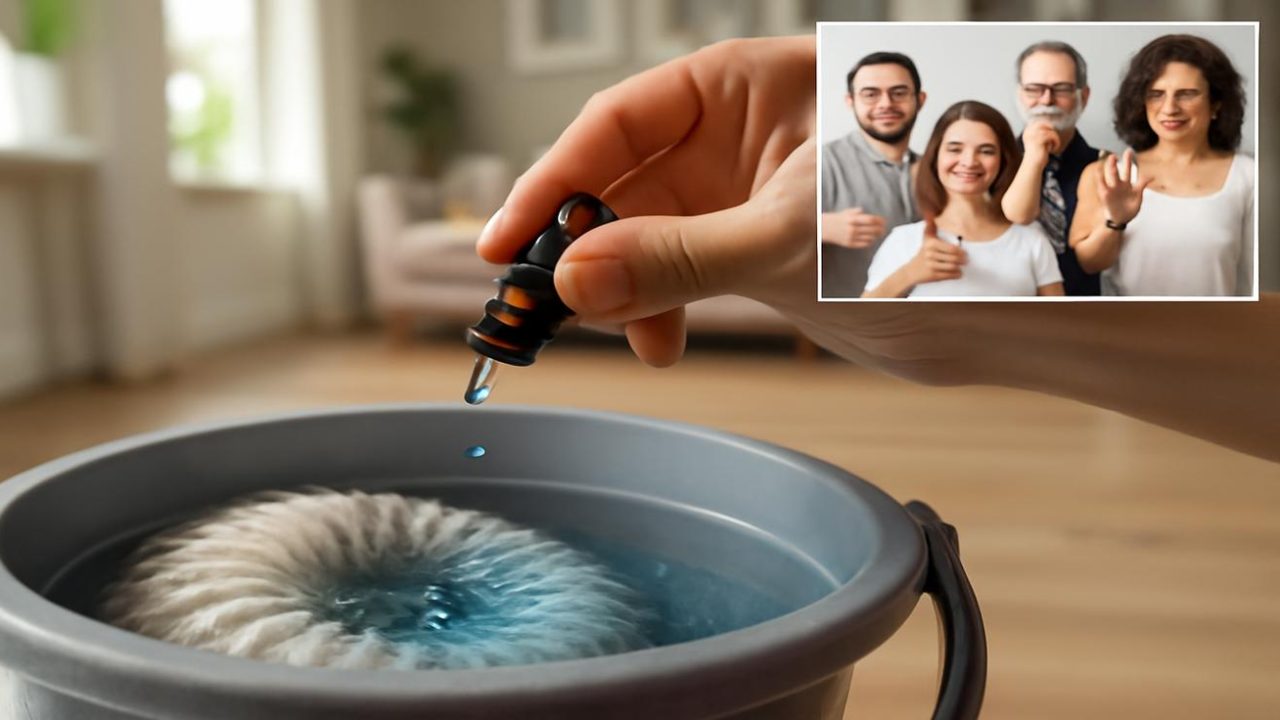
A viral cleaning hack promising to make your home smell amazing for days with just two drops of perfume in your mop bucket has divided experts and sparked heated debates across social media platforms. The trend, which involves adding perfume or essential oils to mop water instead of traditional scents like vinegar or lemon, has millions of views but raises questions about safety and effectiveness.
The simple technique has captured attention because it taps into our desire for homes that don’t just look clean, but smell like luxury hotels or high-end spas. Yet behind the appealing promise lies a more complex story about household safety, cleaning chemistry, and the difference between what works and what’s wise.
The Viral Cleaning Method Everyone’s Talking About
The hack itself couldn’t be simpler. Fill your mop bucket with warm water and your usual cleaning solution, then add exactly two drops of perfume or fragrant essential oil. As you mop, the scented molecules spread across your floors and gradually evaporate, releasing fragrance that can last for days.

The appeal is immediate and obvious. Instead of the sharp, medicinal smell of traditional floor cleaners, your home takes on the warm, sophisticated scent of your favorite fragrance. Comments on viral videos overflow with testimonials: people claiming their apartments now smell like five-star hotel lobbies, that guests ask what expensive candles they’re burning, that the gentle fragrance lingers far longer than any air freshener.
The technique works because scented molecules in perfumes and essential oils can adhere to surfaces and evaporate slowly over time. Your mop becomes a delivery system, spreading these molecules across the largest surface area in your home. As they gradually release into the air, your nose picks up the fragrance throughout the room.
But the simplicity that makes this hack so appealing also makes it potentially problematic. Perfumes and essential oils weren’t designed for floor cleaning, and their interaction with different surfaces, pets, and household members raises legitimate safety concerns.

Why Experts Are Divided on This Cleaning Trend
The controversy stems from a fundamental question: just because something smells good doesn’t mean it belongs on your floors. Perfumes contain complex chemical compounds designed for skin application, not household surfaces. When you spread these chemicals across your floors, you’re essentially turning your entire home into a diffuser for substances that weren’t tested for this purpose.
Safety concerns center on several key areas. Pets, particularly cats and dogs, spend significant time in direct contact with floors. Their paws, fur, and tendency to lick surfaces mean they’re exposed to whatever chemicals you’ve mopped with. Some essential oils and perfume ingredients can be toxic to animals, even in small amounts.
Respiratory sensitivity presents another concern. While two drops might seem minimal, those molecules disperse throughout your living space and continue releasing for days. People with asthma, allergies, or chemical sensitivities might experience reactions to prolonged exposure to airborne perfume compounds.
There’s also the question of surface damage. Some users report that certain perfumes or oils can leave residues, cause discoloration, or even damage mop heads. The alcohol and other solvents in perfumes can interact unpredictably with different flooring materials, from sealed hardwood to natural stone.
The Science Behind Scented Floors
Understanding why this hack works requires looking at how fragrance molecules behave. Perfumes and essential oils contain volatile organic compounds that evaporate at room temperature. When you mop these substances across your floors, you’re creating a large surface area for gradual evaporation.
The longevity of the scent depends on several factors:

- The specific fragrance compounds used – some evaporate quickly while others linger
- Your flooring material – porous surfaces like unsealed wood hold scents longer than sealed tile
- Room ventilation – air circulation affects how quickly molecules disperse
- Humidity levels – moisture in the air can either enhance or diminish scent perception
- Temperature – warmer rooms release fragrance molecules more quickly
This explains why results vary so dramatically between users. Someone mopping sealed bathroom tiles in a well-ventilated space might notice the scent fading within hours, while another person cleaning porous hardwood floors in a closed room could enjoy the fragrance for days.
Potential Risks and Safety Considerations
The most significant concerns revolve around unintended consequences of using products outside their intended purpose. Unlike cleaning products, which undergo testing for household use, perfumes are formulated and tested for brief skin contact, not prolonged environmental exposure.
Pet safety represents the most serious risk. Dogs and cats have more sensitive respiratory systems than humans and spend more time in direct contact with floor surfaces. Essential oils like tea tree, eucalyptus, and citrus oils can cause reactions ranging from skin irritation to more serious health issues in pets.

Surface compatibility issues can lead to permanent damage. Natural stone floors like marble or travertine can be etched by acidic compounds in some fragrances. Sealed floors might develop cloudy residues that are difficult to remove. Some users report that strong perfumes can actually attract dirt over time, making floors appear dingy despite regular cleaning.
Indoor air quality concerns arise from introducing unregulated chemicals into your living environment. While two drops might seem harmless, those molecules continue releasing into the air you breathe for days. People with compromised respiratory systems or chemical sensitivities could experience headaches, breathing difficulties, or other reactions.
Safer Alternatives for Scented Cleaning
For those drawn to the idea of beautifully scented floors without the risks, several alternatives offer similar results with better safety profiles. Purpose-made floor cleaners with pleasant fragrances undergo testing for household use and surface compatibility.

Essential oil enthusiasts can choose pet-safe options like lavender or chamomile, using them sparingly and ensuring good ventilation. Always research specific oils before use, as toxicity varies significantly between different plants and extraction methods.
Traditional scenting methods remain the safest option. Reed diffusers, wax melts, and high-quality candles provide fragrance without the risks of putting untested chemicals on your floors. These methods also offer better scent control and don’t create potential surface damage.
Some cleaning product manufacturers now offer floor cleaners specifically designed to leave pleasant, long-lasting scents. These products balance effective cleaning with appealing fragrance while maintaining safety standards for household use.

Making an Informed Decision
The viral mop bucket hack represents a broader trend of DIY home solutions that promise luxury results at minimal cost. While the appeal is understandable, the divided expert opinion reflects legitimate concerns about safety and unintended consequences.
Your decision should factor in your specific household situation. Homes with pets, young children, or family members with respiratory sensitivities face higher risks. The type of flooring you have, your home’s ventilation, and your sensitivity to chemicals all influence whether this hack is appropriate for your situation.
The fundamental question isn’t whether this hack works – clearly, many people achieve the desired scenting effect. Instead, it’s whether the benefits justify the potential risks when safer alternatives exist.

For those determined to try the trend, starting with minimal amounts, ensuring excellent ventilation, and monitoring for any adverse reactions in people or pets represents a more cautious approach. However, the expert division on this hack suggests that the safest course might be sticking with products specifically designed for floor cleaning.
Frequently Asked Questions
Is it safe to add perfume to mop water?
Safety depends on your specific situation, including pets, family members’ sensitivities, and flooring type, with experts divided on the practice.
How long does the scent last when using this hack?
The fragrance can last for days, depending on factors like flooring material, ventilation, and the specific fragrance compounds used.
Can this method damage my floors?
Some users report residue buildup, discoloration, or damage to mop heads, particularly with certain perfumes on specific flooring materials.
What types of essential oils are safer to use?
Lavender and chamomile are generally considered more pet-safe options, but research specific oils before use as toxicity varies significantly.
Are there commercial products that achieve similar results?
Yes, many floor cleaner manufacturers now offer products specifically designed to leave pleasant, long-lasting scents while maintaining safety standards.
Why are experts concerned about this trend?
Concerns center on using products outside their intended purpose, potential pet toxicity, respiratory effects, and surface damage from untested chemical interactions.









Leave a Comment