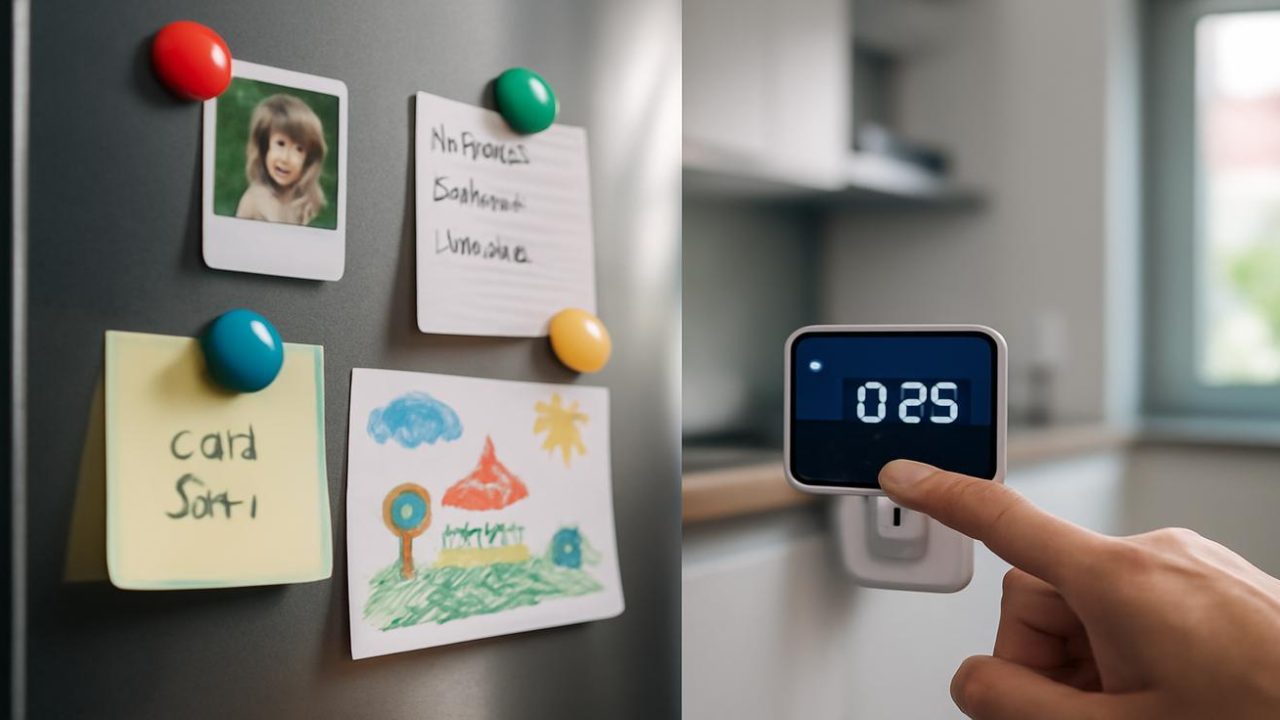
The magnetic strip built into your refrigerator door is essential for energy efficiency, but those decorative fridge magnets covering your kitchen appliance? Bosch engineers say they’re just along for the ride when it comes to your electricity bill.
For years, a persistent household myth has suggested that covering your fridge with magnets forces the appliance to work harder, driving up energy costs. The theory seemed logical enough—more magnets might interfere with the refrigerator’s magnetic door seal or somehow disrupt its internal systems.
Now, appliance experts are setting the record straight about what actually affects your refrigerator’s energy consumption and what doesn’t matter at all.

How Your Refrigerator Really Uses Energy
Understanding where your fridge magnets fit into the energy equation requires knowing how refrigerators actually work. These appliances don’t create cold—they move heat from inside the unit to the outside environment.
The process centers around the compressor, a heavy cylinder typically located at the bottom of the unit. This component consumes the majority of your refrigerator’s electricity as it pushes refrigerant through a system of coils, changing the substance from liquid to gas and back again.
The compressor’s job is maintaining a stable internal temperature. When warm air enters the refrigerator or the internal temperature rises, the compressor kicks in to restore the proper cooling level. This cycle repeats throughout the day, with electricity consumption directly tied to how often and how hard the compressor must work.

The condenser coils, which snake along the back or bottom of most refrigerators, play a supporting role in this heat exchange process. These coils release the heat that’s been pumped out of the refrigerator’s interior.
The Two Types of Magnets That Matter (and Don’t Matter)
When discussing refrigerator magnets and energy consumption, it’s crucial to distinguish between two completely different magnetic components:
| Magnet Type | Purpose | Energy Impact |
|---|---|---|
| Built-in door gasket magnets | Create airtight seal around door frame | Critical for energy efficiency |
| Decorative exterior magnets | Hold papers, photos, and decorations | No measurable impact on energy use |
The magnetic door gasket represents the only magnet system that directly affects your refrigerator’s energy consumption. This built-in magnetic strip runs around the entire door frame, creating the firm seal you feel when opening and closing the refrigerator door.

When this gasket functions properly, it prevents cold air from escaping and warm air from entering. A weak or damaged gasket forces the compressor to run more frequently, directly increasing electricity consumption.
Decorative magnets—whether they’re shaped like fruits, hold shopping lists, or display children’s artwork—operate on an entirely different principle. These external magnets attach to the outer door panel and have no interaction with the refrigerator’s cooling system or door seal mechanism.
Why the Magnet Myth Persists
The confusion between helpful and harmless magnets stems from a misunderstanding of how refrigerator magnetic systems work. Many people assume that adding more magnets to a refrigerator somehow interferes with its magnetic door seal.

In reality, decorative magnets and door gasket magnets operate independently. The external magnets simply cling to the steel door surface without affecting the internal magnetic strip that creates the door seal.
Some homeowners have reported higher electricity bills after adding numerous magnets to their refrigerators, but correlation doesn’t equal causation. Increased energy consumption typically results from:
- Aging compressor components requiring more power to maintain temperature
- Damaged or worn door gaskets allowing air leakage
- Dusty condenser coils reducing heat exchange efficiency
- Frequent door opening during hot weather
- Overloading the refrigerator with warm food items
What Actually Drives Up Your Refrigerator’s Energy Costs
While decorative magnets get a pass on energy consumption, several real factors can significantly impact your refrigerator’s electricity usage.

Door gasket condition tops the list of energy efficiency concerns. Even small gaps in the magnetic seal can allow substantial air exchange, forcing the compressor to work overtime. Testing your door seal is simple—close the door on a dollar bill and try to pull it out. If the bill slides out easily, your gasket may need attention.
Condenser coil cleanliness plays a major role in energy efficiency. Dust and debris on these coils impede heat release, making the compressor work harder to achieve the same cooling effect. Most manufacturers recommend cleaning these coils every six months.
Temperature settings also affect energy consumption. Each degree below the recommended refrigerator temperature of 37-40°F can increase energy use by up to 5%. Freezer temperatures should stay around 0-5°F for optimal efficiency.

The refrigerator’s location within your kitchen matters more than many homeowners realize. Units placed near heat sources like ovens, dishwashers, or sunny windows must work harder to maintain cool internal temperatures.
Simple Steps to Reduce Refrigerator Energy Consumption
Focusing on proven energy-saving strategies delivers better results than worrying about decorative magnets. Regular maintenance and smart usage habits can significantly reduce your refrigerator’s electricity consumption.
Check and clean the door gasket regularly, looking for cracks, tears, or accumulated debris that might prevent proper sealing. Most gaskets can be cleaned with warm soapy water and should be replaced if they show signs of significant wear.

Keep condenser coils clean and unobstructed. These coils are typically located on the back of the unit or underneath, behind a front grille. Vacuum or brush away dust buildup every few months.
Maintain appropriate temperature settings and avoid frequent temperature adjustments. Your refrigerator works most efficiently when maintaining a consistent temperature rather than constantly readjusting to new settings.
Minimize door opening frequency and duration, especially during hot weather. Each time you open the door, warm air enters and cool air escapes, triggering the compressor to restore the proper temperature.

Frequently Asked Questions
Do fridge magnets really increase electricity bills?
No, decorative magnets on the exterior of your refrigerator have no measurable impact on energy consumption.
What’s the difference between door gasket magnets and decorative magnets?
Door gasket magnets are built into the door frame and create an airtight seal, while decorative magnets simply attach to the exterior door surface.
How can I tell if my refrigerator door seal is working properly?
Close the door on a dollar bill and try to pull it out—if it slides out easily, your door gasket may need cleaning or replacement.
What temperature should I set my refrigerator to save energy?
Keep your refrigerator between 37-40°F and your freezer between 0-5°F for optimal energy efficiency.
How often should I clean my refrigerator’s condenser coils?
Clean the condenser coils every six months to maintain optimal energy efficiency and cooling performance.
Can too many magnets damage my refrigerator door?
While magnets don’t affect energy consumption, excessive weight from heavy magnetic items could potentially stress door hinges over time.











Leave a Comment