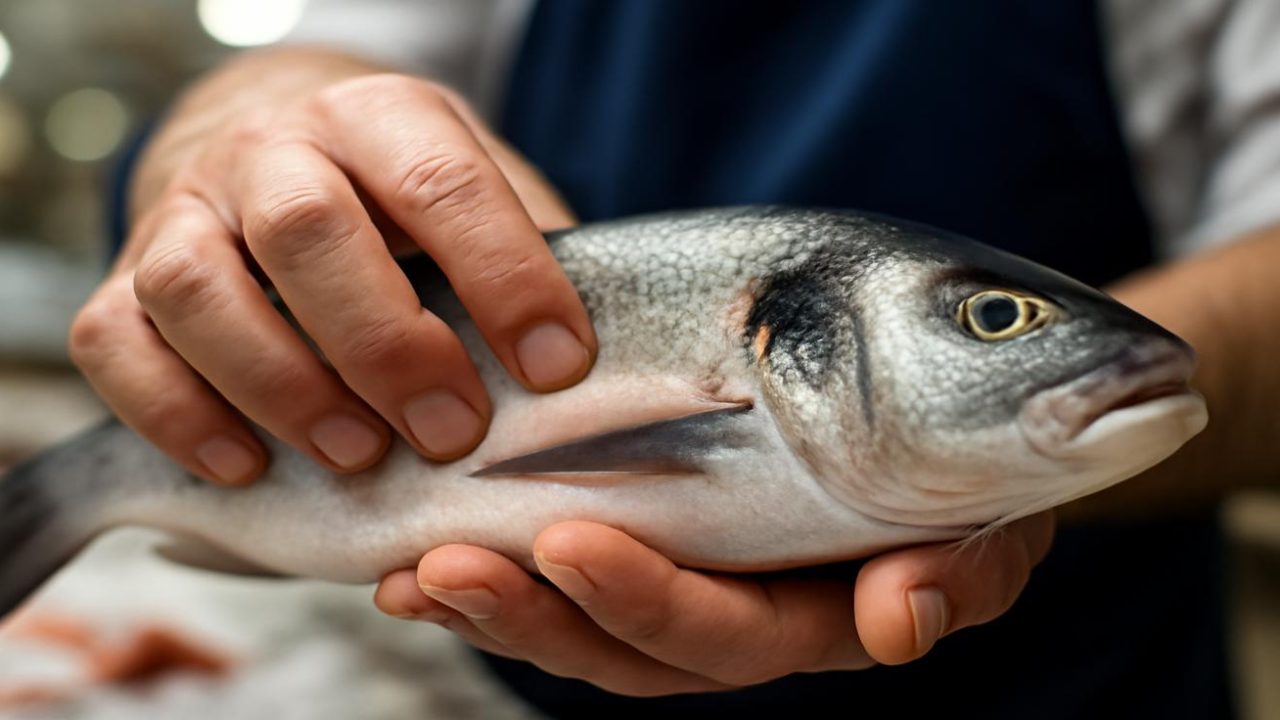
Delilah watched in horror as the fishmonger at her local market wrapped up what looked like a perfectly good salmon fillet. But something felt off. The fish looked almost too perfect – glossy, bright, picture-ready. Her grandmother’s voice echoed in her mind: “Trust your instincts, mija. If something feels wrong, it probably is.”
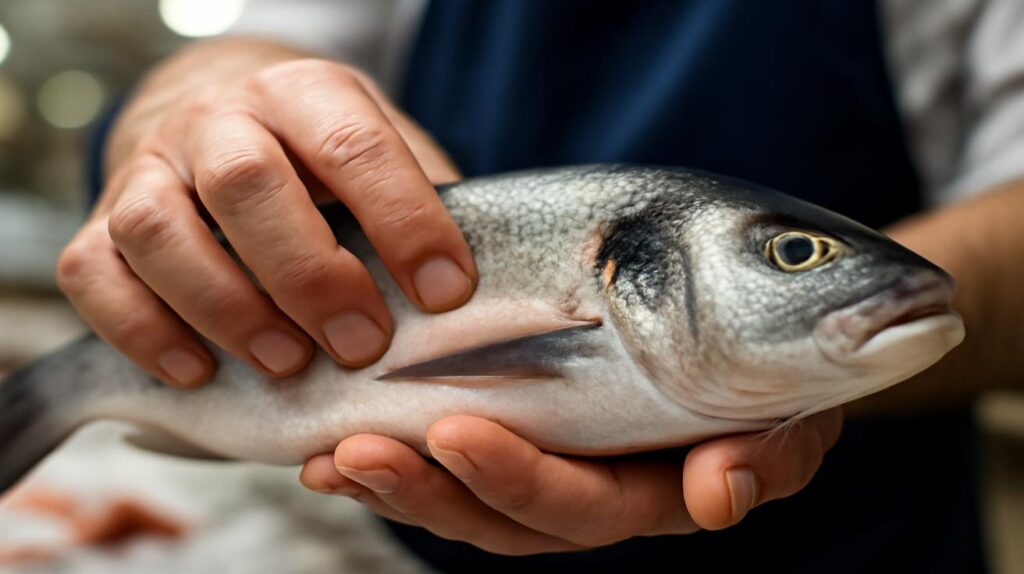
Twenty minutes later, Delilah’s suspicions proved correct. The moment she unwrapped the fish at home, the smell hit her like a wall. What she thought was fresh salmon had clearly been sitting around far longer than advertised. She’d been fooled by appearances, and now dinner was ruined.
This scenario plays out in kitchens across the country every day. Millions of home cooks get duped by fish that looks fresh but definitely isn’t, leading to disappointing meals and wasted money.

What Professional Fishmongers Know That You Don’t
Luis Hernandez has been working behind fish counters for over fifteen years. He’s seen every trick in the book and knows exactly how some vendors try to pass off older fish as fresh catches. According to Luis, the secret isn’t in the smell or even the appearance – it’s all about texture.
“Most people think fresh fish should smell ‘fishy,’ but that’s completely wrong. Really fresh fish barely smells at all. But here’s what really matters – touch it. The texture tells you everything you need to know.”
— Luis Hernandez, Professional Fishmonger
The texture test works because fish flesh changes in predictable ways as it ages. Fresh fish feels firm and springs back when you press it gently. Older fish becomes mushy, leaving indentations when touched.

But there’s more to the story than just firmness. Luis explains that truly fresh fish has a specific feel that’s hard to fake. The skin should feel slightly slippery but not slimy. The flesh should be tight against the bones, not separating or gaping.
The Complete Fresh Fish Checklist
Beyond texture, professional fishmongers use a comprehensive system to evaluate freshness. Here’s what Luis and other experts look for when selecting the best fish:
- Eyes: Should be clear and bright, not cloudy or sunken
- Gills: Bright red or pink color, never brown or gray
- Scales: Firmly attached and shiny, not falling off easily
- Belly: Firm and intact, without any soft spots or discoloration
- Overall appearance: Vibrant colors that look natural, not artificially enhanced
The following table breaks down the key differences between fresh and older fish:

| Feature | Fresh Fish | Older Fish |
|---|---|---|
| Texture | Firm, springs back | Soft, leaves indentations |
| Smell | Ocean-like, minimal odor | Strong “fishy” smell |
| Eyes | Clear, bright | Cloudy, sunken |
| Skin | Shiny, tight | Dull, loose |
| Gills | Bright red/pink | Brown or gray |
“I always tell customers to ask to touch the fish. Any reputable fish seller will let you do a gentle press test. If they won’t let you touch it, walk away.”
— Maria Santos, Seafood Market Owner
Why This Knowledge Can Save Your Dinner (And Your Wallet)
Understanding fish freshness isn’t just about avoiding bad meals. It’s about getting real value for your money and ensuring food safety for your family.
Fresh fish costs the same as older fish in most markets, but the eating experience is completely different. Fresh fish cooks evenly, tastes clean and sweet, and has the perfect flaky texture when done. Older fish often turns out tough, has an unpleasant aftertaste, and can even pose health risks.

The financial impact adds up quickly. The average family throws away about $40 worth of fish per year due to quality issues. That might not sound like much, but it represents meals that could have been delicious if the fish had been properly selected.
“People think expensive means fresh, but that’s not always true. I’ve seen $30-per-pound fish that was clearly past its prime sitting right next to $15-per-pound fish that was caught yesterday.”
— David Chen, Restaurant Chef
Restaurant chefs face this challenge daily, but they have relationships with trusted suppliers and the experience to spot quality issues immediately. Home cooks need to develop these same skills to protect themselves in retail markets.

Red Flags That Should Send You Running
Some warning signs are so obvious that even inexperienced fish buyers should recognize them. These red flags indicate fish that’s not just older – it might actually be unsafe to eat.
Strong ammonia smells are an absolute deal-breaker. This indicates bacterial breakdown that’s gone too far to be safe. Similarly, any fish with a rainbow sheen on the surface is showing signs of spoilage that can’t be reversed.
Slimy texture is another major warning sign. While fresh fish might feel slightly slippery, true sliminess indicates bacterial growth. Trust your instincts – if something feels wrong, it probably is.

“The moment fish starts feeling slimy or smelling like ammonia, it’s crossed the line from ‘not great’ to ‘potentially dangerous.’ No recipe is worth food poisoning.”
— Dr. Jennifer Walsh, Food Safety Expert
Discolored flesh, especially around the edges, shows oxidation and age. Fresh fish should have consistent, natural coloring throughout. Any brown, gray, or rainbow patches indicate the fish is well past its prime.
Shopping Strategies That Work
Timing your fish shopping can make a huge difference in selection and quality. Most fish markets receive deliveries on specific days, usually Tuesday through Thursday. Shopping on these days gives you access to the freshest options.

Building relationships with fishmongers pays off enormously. They’ll steer you toward the best options and often save premium fish for regular customers. Don’t be afraid to ask questions about when fish arrived and where it came from.
Consider buying whole fish when possible. It’s easier to assess freshness when you can see the entire fish, and whole fish generally stays fresh longer than pre-cut fillets.
FAQs
How long does fresh fish stay fresh in the refrigerator?
Properly stored fresh fish stays good for 1-2 days maximum. Keep it on ice and use it as quickly as possible.

Is frozen fish ever better than “fresh” fish?
Yes, fish that was frozen immediately after catching is often fresher than “fresh” fish that’s been sitting around for days.
Can you tell if fish is fresh just by looking at it?
Visual cues help, but texture and smell are more reliable indicators. Always use multiple senses to evaluate freshness.
Should fresh fish smell fishy?
No, truly fresh fish should smell like clean ocean water with minimal fishy odor. Strong fish smells indicate age.
Is it okay to ask to touch fish before buying it?
Absolutely. Reputable sellers will allow gentle pressing to test texture. If they refuse, shop elsewhere.
What’s the best way to store fish after buying it?
Keep it on ice in the coldest part of your refrigerator and use within 1-2 days for best quality.










Leave a Comment