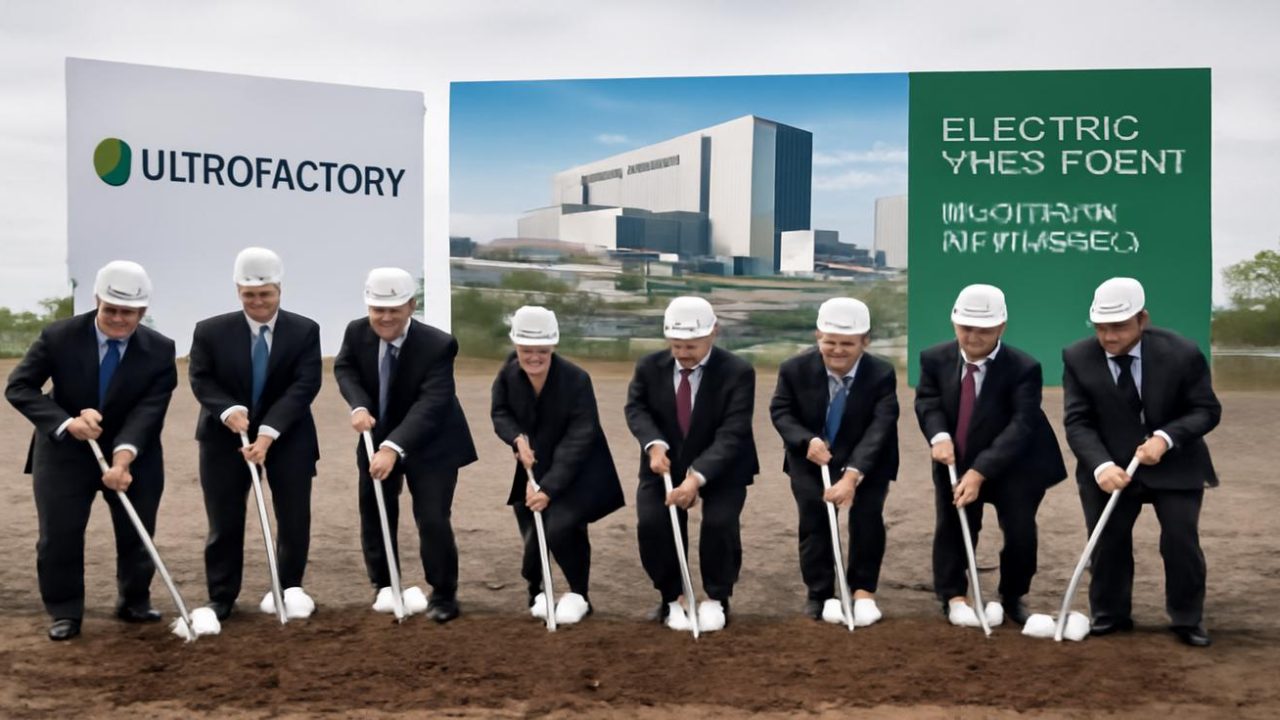
A €500 million factory rising in northern France is betting big on electric steel—a specialized material that could capture €57 billion in global market value by 2032. The massive industrial investment reflects a fundamental shift as the world electrifies everything from cars to data centers.
Electric steel, also called electrical steel or silicon steel, forms the hidden backbone of transformers, motors, and generators. Unlike ordinary steel, this engineered metal guides magnetic fields with minimal energy loss, making it essential for efficient electrical systems.
The new facility sits between old French farmland and modern wind turbines, symbolizing the transition from an agrarian past to an electrified future. Workers in orange vests move through the construction site where cranes swing over a vast building that will soon house precision steel manufacturing at industrial scale.

Why Electric Steel Matters for the Energy Transition
The difference between ordinary steel and electric steel lies in microscopic details that determine how magnetic domains behave inside the metal. Engineers carefully control how grains align and how silicon integrates into the steel’s lattice structure.
Surface treatments allow magnetic domains to move more freely, reducing energy waste as heat. These invisible improvements can make the difference between electrical systems that sip power efficiently and those that guzzle electricity wastefully.
The €57 billion market projection isn’t built on speculation alone. It reflects the massive electrification happening across industries—electric vehicles, heat pumps, renewable energy infrastructure, and power-hungry data centers all depend on efficient electrical components.

Northern France provides an ideal location for this industrial bet. The region has deep roots in metalworking and manufacturing, with workers whose families have operated in factories, shipyards, and automotive plants for generations.
Inside the Electric Steel Manufacturing Process
When fully operational, the factory will transform coils of steel through precisely controlled manufacturing steps. The process resembles watchmaking scaled up to industrial proportions rather than traditional heavy steelmaking.
Key manufacturing stages include:

- Unwinding steel coils through ordered production lines
- Stamping and slitting sheets so thin they flex with one hand
- Annealing to optimize grain structure
- Specialized coating applications
- High-voltage testing in dedicated bays
Every parameter gets logged and measured. Microscopic imperfections in grain structure can spoil entire batches, requiring extreme precision throughout the process.
The facility will operate in an environment mixing oil and warm metal scents with the sharp ozone tang of electrical testing equipment. This represents a dramatic departure from the smoky, brute-force steelmaking of previous industrial eras.
Market Forces Driving the €57 Billion Opportunity
The massive market projection reflects several converging trends reshaping how society uses electricity. Electric vehicles require efficient motors and charging infrastructure. Renewable energy systems need transformers and grid components that minimize power losses.

| Application | Electric Steel Use | Growth Driver |
|---|---|---|
| Transformers | Core windings | Grid modernization |
| Electric Motors | Stator cores | Vehicle electrification |
| Generators | Magnetic cores | Renewable energy |
| Power Electronics | Magnetic components | Data center efficiency |
Data centers alone consume enormous amounts of electricity, making efficiency improvements in power conversion equipment financially critical. Even small percentage gains in electrical efficiency translate to substantial energy savings across millions of devices.
Heavy industry is also electrifying processes traditionally powered by fossil fuels. Electric furnaces, heat pumps, and industrial motors all require the specialized magnetic properties that electric steel provides.
Regional Impact and Industrial Heritage
The factory’s location in northern France connects to the region’s industrial DNA. Local workers understand the rhythms of shift work, the importance of precision manufacturing, and the pride of building products that support broader economic systems.

From the construction site’s perimeter fence, visitors can observe wind turbines spinning on distant ridges while farmhouses dot the traditional agricultural landscape. The juxtaposition illustrates how the energy transition builds upon existing communities rather than replacing them entirely.
The €500 million investment brings advanced manufacturing jobs to an area already familiar with metalworking. Unlike some high-tech industries that require completely new skill sets, electric steel production builds on existing regional expertise in materials and precision manufacturing.
Local infrastructure benefits from the proximity to both renewable energy generation and traditional transportation networks. The site’s access roads already accommodate heavy truck traffic, while nearby wind farms demonstrate the region’s commitment to clean energy production.

What Happens Next in Electric Steel Development
The northern France facility represents just one piece of a much larger industrial transformation. As the factory moves from construction toward full operation, it will test whether European manufacturers can compete effectively in the growing electric steel market.
Success depends on achieving the precise quality control that electric steel applications demand. Unlike construction steel where minor variations matter little, electrical applications require consistent magnetic properties across every batch.
The facility must also demonstrate cost competitiveness with existing suppliers while meeting the growing volume demands from electrification across multiple industries. Early production phases will likely focus on proving manufacturing consistency before scaling to full capacity.

Industry analysts expect continued growth in electric steel demand as governments worldwide implement policies promoting electrification and energy efficiency. The €57 billion market projection assumes sustained investment in grid modernization, renewable energy, and electric transportation.
Frequently Asked Questions
What makes electric steel different from regular steel?
Electric steel contains silicon and other elements that optimize its magnetic properties, allowing electrical devices to operate more efficiently with less energy waste.
Why is the global electric steel market projected to reach €57 billion by 2032?
Growing demand comes from electrification across multiple sectors including electric vehicles, renewable energy infrastructure, and energy-efficient industrial equipment.

Where exactly is the €500 million factory being built?
The facility is located in northern France, positioned between traditional farmland and modern wind turbine installations.
What products will the factory manufacture?
The plant will produce thin, precisely engineered steel sheets used in transformer cores, electric motor components, and other electrical equipment requiring efficient magnetic properties.
How does this investment fit into France’s industrial strategy?
The project builds on northern France’s existing metalworking expertise while positioning the region to serve growing demand from Europe’s energy transition initiatives.
When will the factory begin full production?
Specific timeline details for reaching full operational capacity have not been confirmed in available information about the project.










Leave a Comment