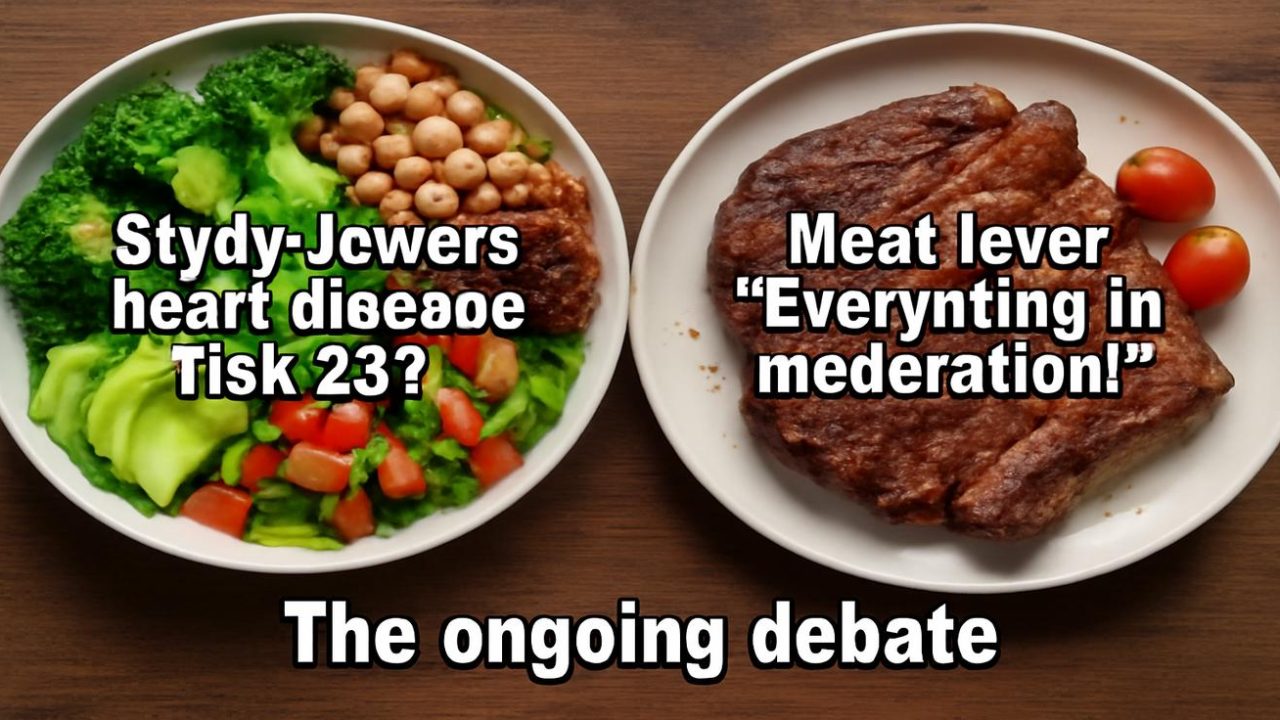
Large epidemiological studies tracking hundreds of thousands of people for years have repeatedly shown the same pattern: those who eat mostly plants, especially whole and minimally processed ones, tend to live longer and healthier lives with significantly lower rates of heart disease, certain cancers, type 2 diabetes, and obesity.
Yet this mounting scientific evidence has created one of the most passionate food debates of our time, with plant-based advocates pointing to research while meat lovers argue that health risks are often exaggerated and oversimplified.
The divide isn’t just about nutrition—it’s about tradition, identity, and fundamentally different views of what constitutes healthy eating in modern life.

When Medical Crisis Forces a Dietary Reckoning
The transformation often begins in a hospital room. Take the story shared in recent accounts of people facing cardiovascular warnings in their late forties—not full heart attacks, but the kind of wake-up calls that arrive with beeping monitors and stern conversations about arterial health.
For many, the suggestion to adopt plant-based eating doesn’t come from lifestyle gurus or social media influencers. It comes from cardiologists reading angiograms that show creeping blood pressure, high LDL cholesterol, and arteries beginning to thicken in concerning ways.
The medical recommendation often sounds stark: “You could try medication, but you might also think about changing your diet. A lot. Look into plant-based eating. Not just a salad here and there—a serious shift.”

This creates a particular kind of silence for people who’ve built their lives around foods that suddenly appear on a medical danger list. The challenge isn’t just taste—it’s memory, tradition, and the emotional weight of family recipes passed down through generations.
The Science Behind Plant-Based Health Claims
In cardiac rehabilitation wards, doctors are no longer whispering about plant-based nutrition—they’re building programs around it. The evidence base has quietly reached what many researchers consider critical mass while public debate continues to rage.
The research consistently points to several key health advantages for those following predominantly plant-based diets:

- Reduced risk of cardiovascular disease
- Lower incidence of certain types of cancer
- Decreased likelihood of developing type 2 diabetes
- Better weight management outcomes
- Improved overall longevity markers
These aren’t promises of perfect health or immortality—they represent statistically significant reductions in the diseases that most commonly steal years and quality of life from aging populations.
The mechanism appears to involve multiple factors: higher fiber intake, increased antioxidant consumption, reduced saturated fat, and the elimination of certain compounds found primarily in processed and red meats.
The Meat Lover’s Counter-Argument
On the other side of kitchen counters across the country, a different conversation unfolds. The sizzle of steak on grills accompanies stories of grandfathers who “ate meat every day and lived to ninety-two,” and assertions that “people exaggerate the risks—it’s not that simple.”

This perspective isn’t rooted in denial of science but in skepticism about how population-level studies translate to individual outcomes. Meat enthusiasts often point to the complexity of health outcomes, noting that longevity involves genetics, exercise, stress levels, and dozens of other variables that can’t be controlled for in dietary studies.
The cultural argument runs deeper than nutrition. For many families, meat represents tradition, celebration, and connection to ancestral foodways. The idea of abandoning these practices feels like losing something essential about identity and heritage.
There’s also practical resistance: concerns about protein adequacy, vitamin B12 deficiency, the time required to learn entirely new cooking methods, and skepticism about whether plant-based eating can provide genuine satisfaction and satiety.

What the Research Actually Shows vs. What People Believe
The gap between scientific consensus and public perception remains significant. While researchers have documented consistent patterns across multiple large-scale studies, individual experiences vary widely enough to fuel ongoing debate.
| Health Outcome | Plant-Based Diet Impact | Common Misconceptions |
|---|---|---|
| Heart Disease | Significant risk reduction in large studies | Many believe genetics matter more than diet |
| Protein Needs | Easily met with varied plant sources | Persistent worry about protein deficiency |
| Cancer Risk | Lower rates for certain types | Confusion about which cancers are affected |
| Weight Management | Generally easier with plant-based eating | Assumption that all plant foods are healthy |
The disconnect often comes from the difference between population-level trends and individual stories. While studies show clear patterns across thousands of people, everyone knows someone whose personal experience seems to contradict the research.
The Practical Reality of Dietary Change
For those who do attempt the transition, the initial challenge often involves relearning fundamental cooking skills. The sensory experience shifts dramatically—from the “gentle hiss of onions sweating in a pan” and the “soft crackle of garlic hitting olive oil” to discovering how to make plant-based meals that provide genuine satisfaction.

Success stories often involve gradual transitions rather than overnight transformations. People learn to appreciate the “bright-red cherry tomatoes competing with curls of kale” and discover that plant-based eating can produce “colors so vivid they almost hum.”
The learning curve includes practical skills: how to cook with legumes, where to find adequate protein, which supplements might be necessary, and how to navigate social situations where food choices become conversation topics.
Many find that the transition requires not just new recipes but new relationships with food, moving away from habit-based eating toward more intentional choices about nutrition and health outcomes.

What Happens Next in the Diet Debate
The conversation between plant-based advocates and meat lovers shows no signs of resolution, partly because both sides are responding to different types of evidence. Scientific studies provide population-level insights, while personal experience offers individual data points that may or may not align with broader trends.
Medical professionals increasingly find themselves mediating this debate in clinical settings, where the stakes involve actual health outcomes rather than abstract arguments about optimal nutrition.
The middle ground may involve personalized approaches that acknowledge both the strength of plant-based research and the complexity of individual health needs, family traditions, and practical constraints that make dietary change challenging for many people.

As more long-term studies emerge and medical institutions develop clearer guidelines, the debate may shift from whether plant-based diets offer health benefits to how those benefits can be accessed by people with different backgrounds, preferences, and life circumstances.
Frequently Asked Questions
Do plant-based diets really reduce heart disease risk?
Large epidemiological studies consistently show lower rates of heart disease among people eating mostly plants, though individual outcomes vary based on many factors.
Can you get enough protein from plants alone?
Yes, varied plant sources can easily meet protein needs, though this requires some knowledge about combining different foods throughout the day.
Why do some people with meat-heavy diets live long lives?
Individual health outcomes depend on genetics, exercise, stress levels, and many other variables beyond diet alone.
Is the transition to plant-based eating difficult?
Many people find it requires learning new cooking skills and gradually adjusting taste preferences, but success stories often involve gradual rather than sudden changes.
Are there any nutrients missing from plant-based diets?
Vitamin B12 is the main concern, as it’s primarily found in animal products, though this can be addressed through supplements or fortified foods.
Do doctors really recommend plant-based diets for heart patients?
Many cardiac rehabilitation programs now incorporate plant-based nutrition education, though medical recommendations vary based on individual patient needs.











Leave a Comment