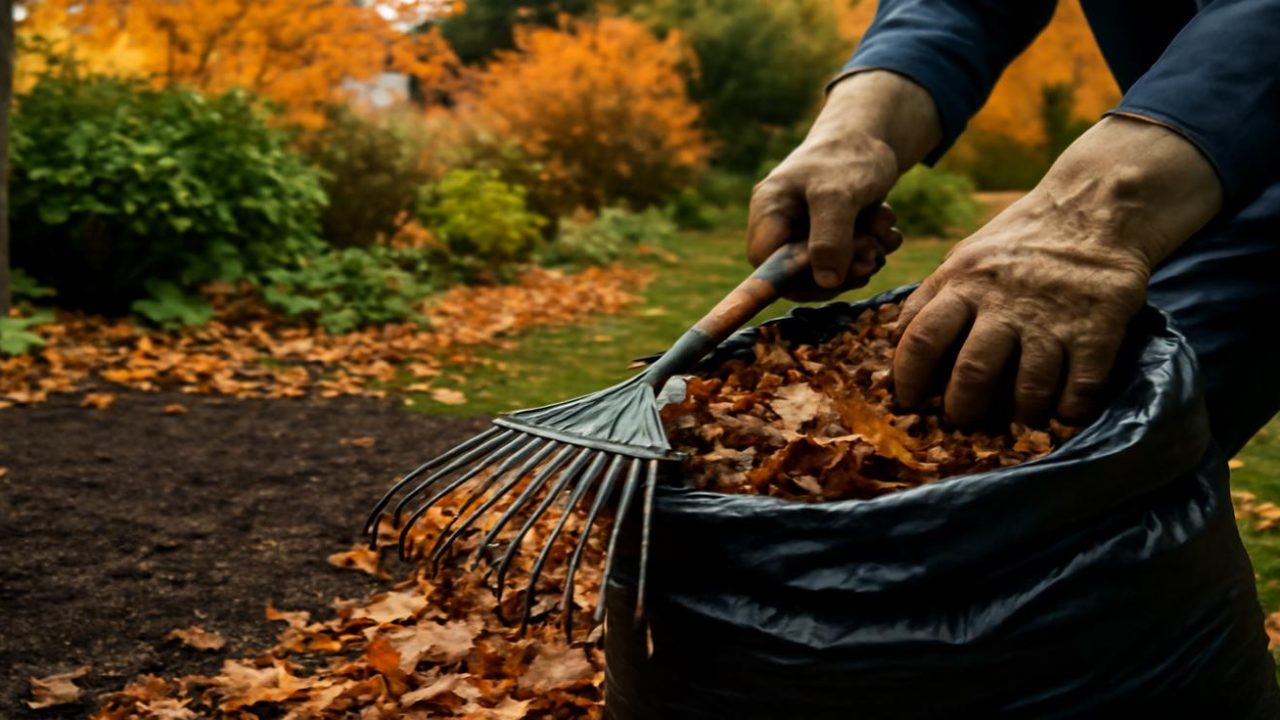
Every autumn, millions of gardeners across the country make the same costly mistake with fallen leaves—treating nature’s most generous gift as trash that needs to be hauled away. This widespread practice is costing homeowners hundreds of dollars in fertilizer and soil amendments while throwing away the exact nutrients their gardens desperately need.
The ritual is so automatic it feels natural: rake the leaves, stuff them into bags, and line them up at the curb for removal. But this approach goes against everything healthy ecosystems do naturally, and it’s creating problems that most gardeners don’t even realize they’re causing.
Why Bagging Leaves Actually Hurts Your Garden
Walk into any forest during late October and you’ll notice something important—nature doesn’t rake. Fallen leaves stay exactly where they land, creating a natural cycle that feeds the soil and supports an entire underground ecosystem.

When gardeners strip their yards bare each fall, they’re dismantling the very process they claim to want when they talk about “natural gardening” or “supporting biodiversity.” Those leaves aren’t waste—they’re a complete care package for your soil, loaded with minerals that trees have been pulling up from deep underground all season long.
Each fallen leaf contains calcium, magnesium, potassium, phosphorus, and trace elements that the tree stored throughout the growing season. When leaves decompose naturally, they deliver all that nutrition directly back to the topsoil where next year’s plants can access it.
The forest treats fallen leaves as a savings account. Your garden should too.

The Five Jobs Fallen Leaves Do Better Than Store-Bought Products
Leaving fallen leaves in place—or moving them to garden beds instead of the curb—provides benefits that would cost hundreds of dollars to replicate with purchased products.
- Soil structure improvement: As leaves break down, they create dark, crumbly soil that holds water during dry periods but drains well during wet weather
- Underground ecosystem support: Fungi, bacteria, beetles, and earthworms all thrive in decaying leaf litter, creating the biological activity that keeps soil healthy
- Root insulation: A layer of leaves protects perennial plants, bulbs, and beneficial soil organisms from damaging freeze-thaw cycles
- Moisture conservation: Leftover leaf mulch helps retain water during spring and summer dry spells, reducing irrigation needs
- Weed suppression: A few inches of leaves prevent many weed seeds from reaching the light they need to germinate
These benefits work together to create healthier soil that requires fewer inputs and supports more resilient plants. Yet most gardeners pay to have this resource removed, then pay again for fertilizers and soil amendments to replace what they threw away.
How Much This Mistake Actually Costs Homeowners
The financial impact of the annual leaf removal ritual adds up quickly, though most homeowners never calculate the real cost.

| Expense Category | Typical Annual Cost | What Leaves Provide Instead |
|---|---|---|
| Leaf removal service | $150-$400 | Free disposal by leaving in place |
| Soil amendments | $100-$300 | Natural soil building as leaves decompose |
| Fertilizer applications | $75-$200 | Slow-release minerals from leaf breakdown |
| Mulch purchase | $200-$500 | Natural mulch layer from fallen leaves |
Beyond the direct costs, removing leaves creates ongoing expenses. Soil that lacks organic matter requires more frequent watering, more pest and disease treatments, and constant inputs to maintain plant health.
Gardens that keep their leaves develop what soil scientists call “biological wealth”—a thriving underground community that makes plants more resilient and reduces the need for external inputs.
What Your Lawn Actually Needs From Fall Leaves
The most common objection to leaving leaves in place centers on lawn health. Gardeners worry that fallen leaves will smother grass or create unsightly brown patches come spring.

This concern has merit when thick layers of large leaves sit on grass all winter. But the solution isn’t removal—it’s proper management.
Grass can handle a light covering of leaves without any problems. For heavier accumulations, running a mower over the leaves once or twice chops them into smaller pieces that settle between grass blades instead of forming an impermeable mat.
These chopped leaves decompose faster than whole leaves, feeding the lawn throughout the winter and early spring. The result is often thicker, greener grass that requires less fertilizer and stays healthier during summer stress periods.

For areas where leaves accumulate too thickly for this approach, the solution is redistribution rather than removal. Move excess leaves to flower beds, around trees, or into compost bins where they can provide maximum benefit.
The Right Way to Handle Different Types of Fallen Leaves
Not all leaves behave the same way as they decompose, and understanding these differences helps gardeners make better decisions about where to use their fallen leaf resources.
Small leaves from trees like birch, honey locust, and ash break down quickly and can be left directly on lawns with minimal processing. These leaves often disappear almost entirely by spring, leaving behind improved soil structure.

Large leaves from maples, oaks, and sycamores benefit from chopping or shredding before use. Whole large leaves can mat together and create waterproof layers that prevent air and water from reaching the soil underneath.
Thick, waxy leaves like magnolia or holly decompose very slowly and work best when mixed with faster-decomposing materials or used in areas where long-lasting mulch is desired.
The key principle remains the same regardless of leaf type: these materials represent valuable resources that benefit gardens more when kept on-site than when removed.

Frequently Asked Questions
Will leaving leaves on my lawn kill the grass?
A light covering of leaves won’t harm grass, and chopped leaves actually improve lawn health by adding organic matter to the soil.
Do fallen leaves attract pests or diseases?
Healthy leaf litter supports beneficial organisms that often help control garden pests naturally, though diseased leaves should be removed and composted separately.
How thick can I let leaves accumulate before they cause problems?
If you can still see grass blades through the leaf layer, it’s generally fine to leave as-is; thicker accumulations should be chopped with a mower or redistributed.

What about leaves that fall on sidewalks and driveways?
These should be moved for safety reasons, but they can be swept into garden beds or lawn areas instead of bagged for removal.
Do I need to worry about leaves from diseased trees?
Leaves showing signs of serious fungal infections should be composted separately or removed, but most autumn leaf drop represents healthy seasonal shedding.
When do the benefits of keeping leaves start showing up?
Soil improvements begin immediately as leaves start decomposing, with visible benefits to plant health typically appearing in the following growing season.











Leave a Comment