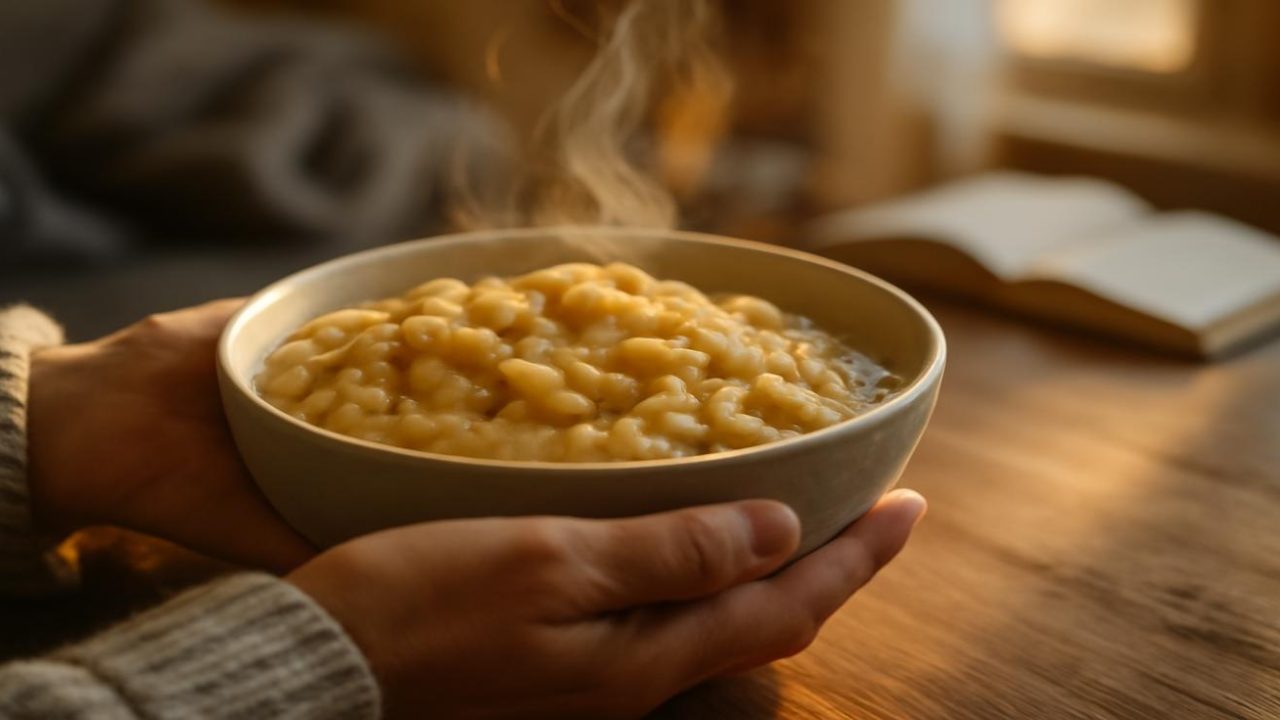
The simple act of preparing a comforting bowl of food can provide immediate stress relief and emotional grounding, according to emerging research on the therapeutic benefits of mindful cooking. Mental health experts increasingly recognize that the rhythmic, sensory experience of preparing simple meals activates the body’s relaxation response in ways that complex recipes or takeout cannot match.
This phenomenon goes beyond basic nutrition. The process of chopping vegetables, stirring ingredients, and watching food transform engages multiple senses while creating a meditative state that pulls attention away from anxiety-inducing thoughts and digital overwhelm.
The therapeutic power lies not in elaborate culinary skills, but in the intentional focus that simple cooking demands, making it accessible to anyone seeking immediate stress relief through food preparation.

Why Simple Bowl Meals Create Instant Calm
The act of creating a simple, warming bowl meal triggers several psychological and physiological responses that promote relaxation. The repetitive motions of chopping, stirring, and seasoning activate the parasympathetic nervous system, which governs the body’s rest-and-digest response.
Unlike complex recipes that can increase stress through performance pressure, simple bowl meals use whatever ingredients are available. This approach removes decision fatigue while creating a sense of resourcefulness and accomplishment.
The sensory engagement involved in cooking—feeling textures, hearing sizzling sounds, and smelling aromatic ingredients—grounds the mind in the present moment. This natural mindfulness practice interrupts the cycle of anxious thoughts that often accompanies stressful periods.

Steam rising from a warm pot creates both visual and physical comfort, while the gradual transformation of raw ingredients into something nourishing provides a tangible sense of progress and control during chaotic times.
Essential Elements of Stress-Relief Cooking
Effective comfort cooking for stress relief relies on specific techniques and ingredients that maximize the calming benefits while minimizing complexity.
| Element | Stress-Relief Benefit | Simple Implementation |
|---|---|---|
| Aromatics (onion, ginger) | Engages olfactory system, triggers memory comfort | Slow sautéing releases calming scents |
| Warm liquids (broth, tea) | Physical warmth activates vagus nerve | Add gradually while stirring mindfully |
| Repetitive motions | Creates meditative rhythm | Focus on knife work, stirring patterns |
| Soft textures | Provides oral comfort and satisfaction | Cook vegetables until tender, add cooked grains |
The key ingredients for stress-relief cooking are often already available in most kitchens: onions for their grounding aroma, root vegetables for earthy comfort, warming spices like ginger, and any form of broth or warm liquid.

Leftover rice, pasta, or grains provide immediate substance and familiarity. A soft-cooked egg adds protein and creates a sense of indulgence without complexity.
The Science Behind Cooking as Stress Relief
Neuroscientists have identified specific mechanisms that make cooking particularly effective for stress management. The bilateral coordination required for chopping and stirring activates both brain hemispheres, creating a state similar to EMDR therapy that helps process emotional tension.
The progression from raw ingredients to finished meal triggers the brain’s reward system, releasing dopamine and creating positive associations with self-care. This neurochemical response reinforces the behavior, making stress-relief cooking a sustainable coping mechanism.

Temperature changes during cooking—from cool vegetables to warm steam—provide sensory input that helps regulate the nervous system. The gradual warming process mirrors the body’s natural relaxation response.
Research shows that engaging in creative, productive activities during stress helps restore a sense of agency and control. Cooking provides immediate, tangible results that counter feelings of helplessness often associated with anxiety.
Building Your Own Comforting Bowl Practice
Creating an effective stress-relief cooking practice requires minimal planning but maximum attention to the sensory experience. The goal is process over perfection.

Start with whatever vegetables need to be used, focusing on the physical sensations of preparation rather than following specific recipes. Allow the rhythmic chopping and stirring to become a form of moving meditation.
Key practices include:
- Begin with slow, mindful knife work to establish calming rhythm
- Use gentle heat to avoid rushing the cooking process
- Add ingredients gradually, observing changes in color and aroma
- Taste and adjust seasonings mindfully rather than following measurements
- Focus on the steam, sounds, and scents throughout preparation
The most effective stress-relief cooking happens when external distractions are minimized. Put devices away and allow the cooking process to become a temporary refuge from digital overwhelm.

What Happens Next: Making It Sustainable
The immediate calming effects of mindful cooking can be developed into a reliable stress-management tool through regular practice. Mental health professionals recommend establishing cooking rituals during calm periods so they become automatic responses during stressful times.
Building a simple pantry of comfort ingredients—dried grains, canned broth, basic aromatics, and warming spices—ensures the practice remains accessible regardless of grocery shopping schedules or energy levels.
The practice becomes more effective over time as the brain creates stronger associations between the cooking process and relaxation. Even the act of gathering ingredients can begin triggering the stress-relief response.

Many people find that this approach to cooking extends beyond stress relief, creating a more mindful relationship with food and self-care in general. The skills transfer to other areas where presence and patience provide benefits.
Frequently Asked Questions
How long does it take for cooking to provide stress relief?
The calming effects typically begin within the first few minutes of mindful preparation, as soon as the repetitive motions and sensory engagement start redirecting attention away from stressful thoughts.
Do I need cooking skills to use this stress-relief technique?
No special skills are required. The therapeutic benefit comes from the mindful attention to simple processes like chopping and stirring, not from culinary expertise or complex techniques.

What if I don’t have specific ingredients mentioned?
Any available vegetables, grains, or warming liquids can work. The key is using whatever you have while focusing on the sensory experience of preparation rather than following exact recipes.
Can this technique work during severe anxiety episodes?
While helpful for general stress, severe anxiety may require professional intervention. Cooking works best as a preventive practice or for managing moderate stress levels.
How often should I use cooking for stress relief?
The practice can be used as needed when stress levels rise. Regular use during calm periods helps establish it as an automatic coping mechanism during more challenging times.
What makes bowl meals specifically good for stress relief?
Bowl meals combine warm liquids, soft textures, and aromatic ingredients in a format that feels nurturing and contained, providing both physical and psychological comfort simultaneously.











Leave a Comment