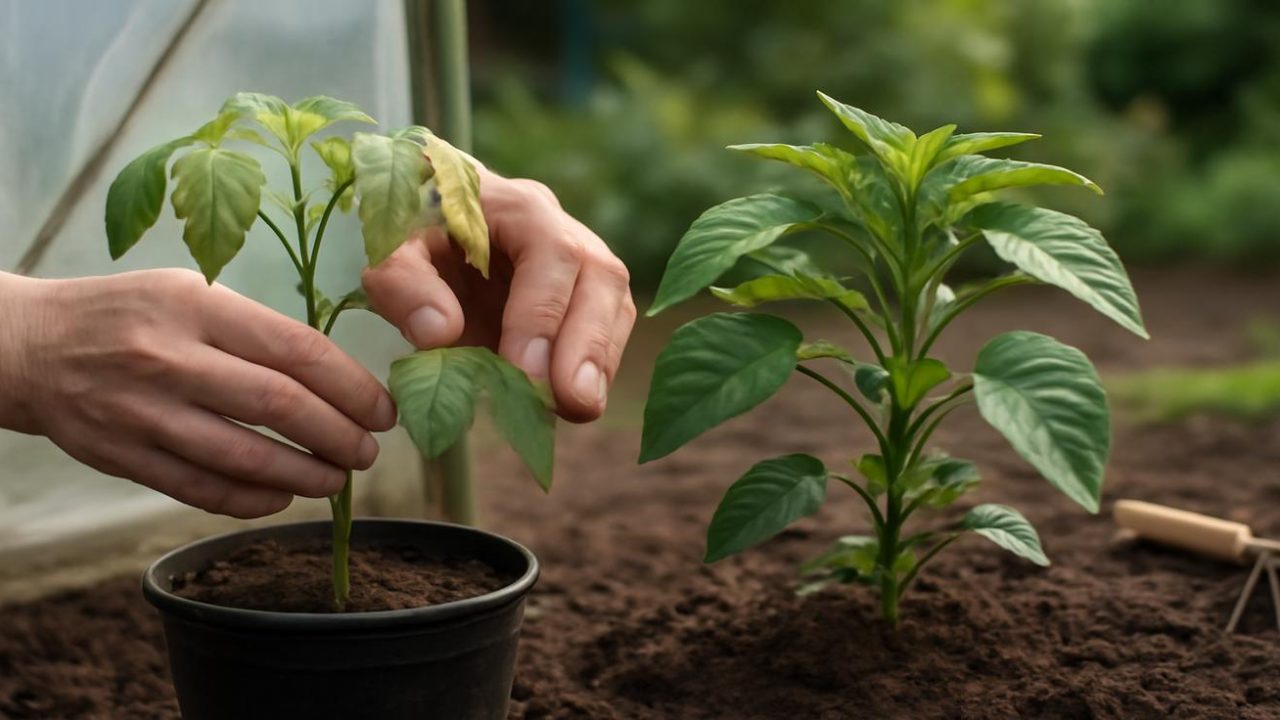
The toughest plants are almost never the most sheltered ones. They’re the ones growing in sidewalk cracks, on windswept dunes, and in neglected corners where they’ve been pushed, scorched, and bent—yet somehow they thicken their stems, deepen their roots, and keep thriving.
This counterintuitive truth challenges everything most gardeners think they know about plant care. While our instinct is to shield plants from wind, bugs, strong sun, and anything that seems difficult, research shows that overprotection can actually weaken plants and reduce their ability to survive real-world stress.
The phenomenon reveals itself most clearly when pampered plants meet their first taste of actual outdoor conditions—and fail spectacularly.

Why Coddled Plants Struggle in the Real World
Plant resilience isn’t an accident or genetic lottery. It’s something plants actively build, cell by cell, in response to environmental challenges. When gardeners wrap their plants in metaphorical cotton wool—providing perfect conditions with no stress—they interrupt this crucial development process.
The irony cuts deep: the more we protect plants from discomfort, the less prepared they become for the inevitable stress that always arrives eventually.
Consider the stark difference between a greenhouse-raised plant and its street-tough counterpart. The greenhouse specimen enjoys perfect irrigation, curated soil, filtered light, and carefully controlled temperatures. Its leaves remain immaculate and untorn, its trunk slim and smooth with bark unscarred by friction or frost.

Meanwhile, a plant growing in a narrow strip between curb and sidewalk faces constant challenges. Dogs pass by, cars blast exhaust, wind channels down the street carrying grit. Pavement radiates summer heat while winter salt stings the roots. Children snap lower branches and bicycles bang into the trunk.
After a few years, the difference becomes almost comical. The greenhouse plant, suddenly moved outdoors, sulks and wilts. Its tissues are tuned for perfection, not unpredictability. The street plant, however, has been practicing survival since its first leaves unfolded.
The Science Behind Plant Resilience
At the cellular level, resilience isn’t some vague inspirational trait—it’s completely physical. When plants experience stress like wind tugging at leaves, brief drought, or cold snaps, tiny alarms activate throughout their systems.

Hormonal signals including abscisic acid, jasmonic acid, and ethylene surge through stems and roots. In response, plants reinforce their tissues, adjust their chemistry, and sometimes completely rewrite their growth strategies.
Wind stress, for example, signals plants to grow shorter and stockier instead of tall and spindly. Cells in the stem produce more lignin—the woody compound that makes plant tissue rigid and strong. Roots may thicken and branch extensively, providing better stability.
A bit of buffeting literally tells the plant to build stronger architecture. Remove that signal by eliminating wind exposure, and plants continue growing tall and weak, unprepared for the first real gust they encounter.

| Stress Type | Plant Response | Resulting Benefit |
|---|---|---|
| Wind exposure | Increased lignin production, shorter growth | Stronger, more stable stems |
| Brief drought | Deeper root development, waxy leaf coatings | Better water access and retention |
| Temperature fluctuation | Adjusted cell membrane composition | Greater temperature tolerance |
| Physical contact | Thicker bark, reinforced branching | Resistance to damage and breakage |
The Hidden Costs of Plant Overprotection
Overprotected plants develop what gardeners call “softness”—a condition where plants appear healthy and lush but lack the structural integrity to handle normal outdoor conditions. These plants often display several telltale characteristics.
Their stems grow unusually tall and thin, reaching for light without developing proportional strength. Leaves may be larger and more tender than normal, with less protective waxy coating. Root systems often remain shallow and sparse, never developing the extensive networks that help plants access water during dry periods.
Most critically, overprotected plants fail to develop the chemical defenses that help them respond to sudden changes in temperature, humidity, or light levels. When these plants finally encounter real-world conditions, they experience what amounts to shock.

The transition can be devastating. Plants that looked perfect in controlled environments may yellow, droop, or die within days of exposure to normal outdoor conditions. Wind that wouldn’t faze a properly conditioned plant can topple entire trays of overprotected seedlings.
What Proper Plant Conditioning Looks Like
The solution isn’t to abandon plant care entirely, but to provide what experts call “beneficial stress.” This means gradually exposing plants to the conditions they’ll eventually face, allowing them to build resilience while still providing basic support.
For seedlings, this process involves slowly reducing protection over time. Instead of maintaining perfect conditions until transplant day, successful gardeners introduce controlled challenges. They might reduce watering frequency slightly, allowing soil to dry between waterings. They expose plants to gentle air movement, gradually increasing intensity.

Temperature conditioning proves equally important. Plants benefit from experiencing the natural temperature fluctuations they’ll face outdoors, rather than constant warmth. Even brief exposure to cooler temperatures helps plants adjust their cellular machinery for real-world conditions.
The goal is controlled stress, not plant torture. The difference lies in gradual exposure that allows plants to adapt, rather than sudden shocks that overwhelm their systems.
Recognizing Resilient Plants in Your Garden
Resilient plants often look different from their pampered counterparts, and learning to recognize healthy toughness helps gardeners make better cultivation decisions. Strong plants typically display compact, proportional growth with sturdy stems that don’t require staking.

Their leaves may be smaller and thicker than those of protected plants, often with a slightly waxy or tough texture. Coloration might be deeper and more intense, reflecting the plant’s adaptation to varying light conditions.
Root development in resilient plants extends far beyond what’s visible above ground. These plants invest heavily in root systems, sometimes developing roots that spread twice as wide as the visible plant and extend much deeper than expected.
Perhaps most importantly, resilient plants recover quickly from minor setbacks. They bounce back from brief dry spells, handle temperature swings without dramatic leaf drop, and continue growing steadily despite small pest pressures or physical damage.

Frequently Asked Questions
How can I tell if my plants are overprotected?
Look for unusually tall, thin stems, oversized tender leaves, and plants that wilt or struggle when moved to different conditions.
Is it too late to condition plants that have been overprotected?
Most plants can adapt to gradual conditioning, but the process should be slow and gentle to avoid shock.
What’s the difference between beneficial stress and harmful stress?
Beneficial stress is gradual and allows plants time to adapt, while harmful stress overwhelms plants suddenly or persistently.
Do all plants benefit from stress conditioning?
Most plants develop greater resilience through appropriate conditioning, though the specific stresses should match their eventual growing conditions.
How long does it take for plants to develop resilience?
The timeline varies by species and growing conditions, but most plants show adaptation within days to weeks of gradual conditioning.
Should I stop protecting young seedlings entirely?
No—provide basic protection while gradually introducing controlled challenges that help build strength over time.











Leave a Comment