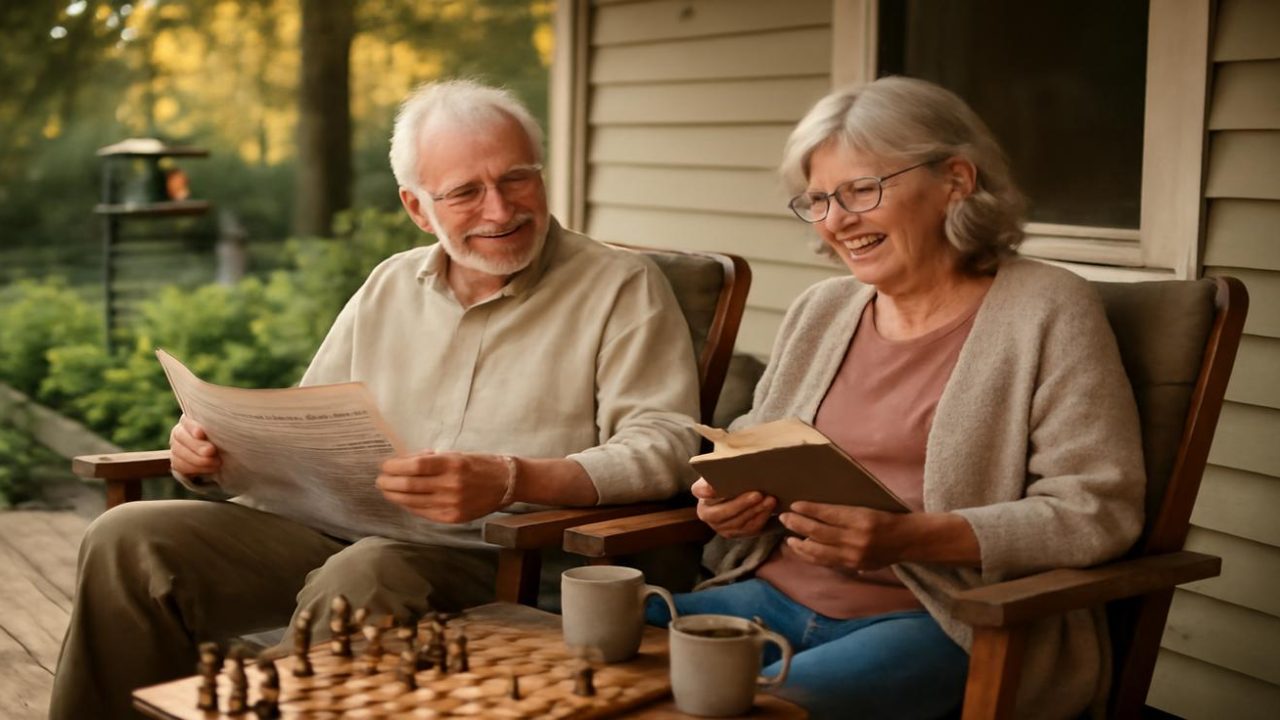
While younger generations scroll through endless feeds searching for the next dopamine hit, people in their 60s and 70s have quietly mastered something far more valuable: the art of intentional living. These older adults aren’t just moving slower because of age—they’re choosing a different pace entirely, one that research suggests leads to deeper, more sustainable happiness.
Their secret lies in nine timeless habits that serve as quiet rebellions against our tech-obsessed culture. These aren’t anti-technology stances, but rather deliberate choices to prioritize depth over speed, connection over convenience, and presence over productivity.
The contrast is striking. Where twenty-somethings chase novelty on screens, their elders find it in seasonal changes. Where young adults collect digital connections, older generations cultivate real relationships. The result is a kind of quiet contentment that outlasts every trending app.

The Power of Familiar Routines
Walk through any neighborhood early in the morning, and you’ll spot them: the same figures tracing identical routes, greeting the same dog-walkers, following paths worn smooth by repetition. No fitness trackers. No playlists. Just shoes, breath, and weather.
To someone tethered to technology, these daily walks might seem mind-numbingly repetitive. But for people in their 60s and 70s, these routes represent something deeper—a daily relationship with their surroundings and their own bodies.
On these familiar paths, they notice what others miss: new buds on stubborn rosebushes, the bakery’s first morning batch, winter light shifting across pavement. Instead of seeking novelty through screens, they let it come to them in slow, seasonal increments.

This simple habit accomplishes three things simultaneously: it keeps the body moving, engages the mind gently, and roots a person in their sense of place. The result is a quiet, durable happiness that doesn’t depend on the next update or trend.
Real Calendars, Real Connections
Ask younger adults about their social life, and they’ll point to group chats and algorithm-suggested events. Ask someone in their seventies, and they might pull down a creased paper calendar covered in handwritten appointments: “Coffee with Jim,” “Book club,” “Bridge night,” “Sunday dinner—kids.”
These aren’t big, Instagrammable experiences. They’re small, repeatable touchpoints of human connection. While technology obsesses over scale—more followers, more views—elders focus on depth. That weekly lunch with a friend from 1978 may not be glamorous, but it’s emotionally nutrient-dense.

They understand something tech-driven culture often forgets: community isn’t built in bursts, it’s built in layers. Layer upon layer of showing up, in person, without filters. A casserole when someone’s sick. A ride to the doctor. A saved seat at the table.
In a world where young people feel strangely lonely despite hundreds of online “connections,” this habit of scheduled, embodied togetherness becomes a happiness secret. The heart doesn’t care how many people liked your post—it cares how many would notice if you didn’t show up to coffee.
The Joy of Keeping Old Things
Step into a seventy-year-old’s home, and it feels like entering a living scrapbook where everything still works. There’s the dining table that has witnessed four decades of birthday candles. The worn armchair molded to its owner’s shape. The kitchen tools that have prepared thousands of meals.

While younger generations chase the latest upgrades, older adults have discovered the deep satisfaction of cherishing what they already own. This isn’t about being stuck in the past—it’s about recognizing that some things improve with age and use.
Each worn object tells a story, holds memories, represents continuity in an increasingly disposable world. These possessions become anchors of identity and sources of comfort that no new purchase can replicate.
Why These Habits Create Lasting Happiness
The happiness advantage of people in their 60s and 70s isn’t accidental. Their timeless habits create what psychologists recognize as the foundations of well-being: meaningful relationships, physical activity, sense of purpose, and present-moment awareness.

While technology promises instant gratification, these older adults have learned that true satisfaction comes from consistency, depth, and patience. Their happiness doesn’t spike and crash with notifications—it builds steadily through daily practices that nourish both body and soul.
Consider the stark difference in approaches:
| Tech-Driven Approach | Timeless Approach |
|---|---|
| Constant novelty seeking | Finding depth in familiar routines |
| Digital connections | Face-to-face relationships |
| Upgrade culture | Cherishing existing possessions |
| Multitasking | Single-focused attention |
| Speed and efficiency | Deliberate, slow living |
The Wisdom of Intentional Slowness
Perhaps the most striking difference is the pace itself. Watch someone in their 70s pour tea—steam curling around fingers, the chipped mug warming both palms, phone forgotten on the table. There’s intention in every movement, presence in every moment.

This isn’t limitation; it’s liberation. Liberation from the exhausting pace of modern life, from the constant pressure to optimize and upgrade, from the anxiety of missing out on the next big thing.
They’ve discovered that happiness isn’t found in the frantic soundtrack of modern life but in the quiet counter-melody beneath it. It’s in the deliberate choice to move slowly, to savor experiences, to prioritize being over doing.
Lessons for Every Generation
These nine timeless habits offer a blueprint for happiness that transcends age. They remind us that in our rush to embrace every new technology and trend, we might be overlooking the simple practices that create lasting contentment.

The elderly aren’t rejecting progress—they’re choosing what serves their well-being over what merely promises convenience. They’re proving that some of life’s greatest pleasures are also its most enduring ones: a familiar walk, a friend’s company, a well-loved possession, a moment of unhurried presence.
In a world obsessed with the next big thing, perhaps the real revolution is learning to appreciate what we already have, to move at our own pace, and to choose depth over speed. The happiness secrets of people in their 60s and 70s aren’t really secrets at all—they’re reminders of what we’ve always known but somehow forgot in our rush toward the future.
Frequently Asked Questions
What are the main habits that make older adults happier than younger generations?
The key habits include walking familiar routes regularly, maintaining real-life calendars with social commitments, cherishing old possessions instead of constantly upgrading, and choosing intentional slowness over frantic productivity.

Why do these simple habits create more happiness than technology?
These habits provide consistency, depth, and present-moment awareness, which create steady satisfaction rather than the spike-and-crash pattern of digital gratification.
Are older adults actually happier than younger people?
Research increasingly supports that these timeless habits are closely tied to deeper, steadier satisfaction, though the source doesn’t provide specific comparative happiness statistics.
Can younger people adopt these habits while still using technology?
Yes, these aren’t anti-technology stances but rather choices to prioritize depth over speed and real connections over digital ones, which can complement rather than replace modern tools.
What’s the most important lesson from these timeless habits?
The core insight is choosing intentional living over reactive living—moving slowly by choice, building relationships through consistent presence, and finding satisfaction in what you already have rather than constantly seeking the next upgrade.
How do these habits help with loneliness compared to social media?
While young people can feel lonely despite hundreds of online connections, older adults build community through repeated in-person interactions and showing up consistently for others, creating deeper emotional bonds.











Leave a Comment