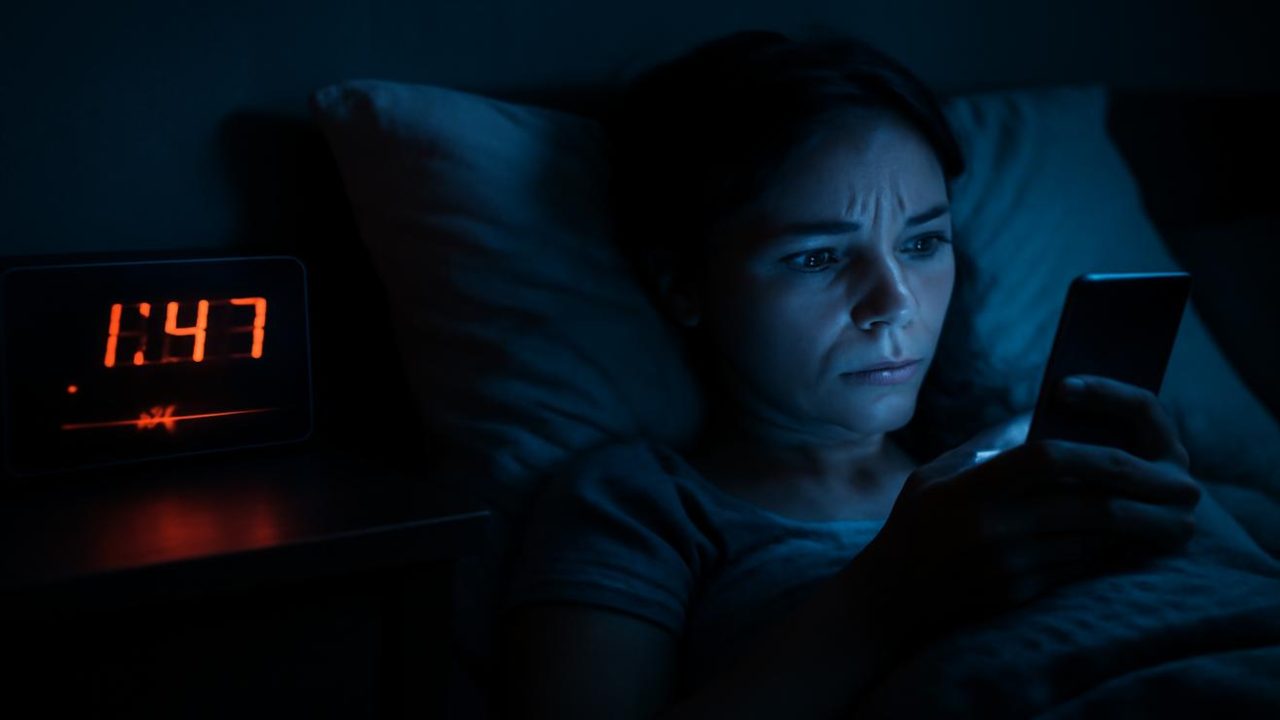
Going to bed after midnight significantly increases your risk of stroke and heart disease, with recent research revealing that the timing of sleep matters just as much as the total hours you get. For women, this risk appears to be even more pronounced, challenging the common assumption that any eight hours of sleep will do.
The discovery emerged from large-scale studies tracking thousands of people wearing sleep monitors, revealing a clear pattern that has surprised medical professionals. While we’ve long focused on sleep duration, the biological clock that governs our cardiovascular system operates on a much stricter schedule than most people realize.
The optimal bedtime window appears to fall between 10 p.m. and 11 p.m., according to the research data. Fall asleep much later—especially after midnight—and stroke risk begins climbing sharply, even when people manage to get their full recommended hours of rest.

Why Your Body Clock Demands Earlier Bedtimes
Your cardiovascular system hasn’t adapted to modern life’s flexible schedule. While you negotiate with Netflix and social media for just a few more minutes of evening time, your heart and blood vessels are waiting for biological signals that arrive on a prehistoric timetable.
Every organ in your body operates according to circadian rhythms that evolved over millions of years. Your liver, which filters blood and processes toxins, expects to do its heaviest work during specific nighttime hours. Your blood pressure naturally drops when darkness falls, giving your cardiovascular system time to repair and reset.
When you delay sleep past the body’s expected window, these critical maintenance processes get disrupted. Your blood pressure may not drop as it should. Stress hormones that were supposed to wind down remain elevated. The delicate choreography between your nervous system and blood vessels falls out of sync.

This isn’t just about feeling tired the next day. The research suggests that chronic late bedtimes create a state of ongoing cardiovascular stress, even when you’re getting adequate total sleep hours.
The Hidden Risks Women Face
The stroke risk associated with late bedtimes appears to hit women particularly hard, though researchers are still working to understand exactly why. Hormonal factors likely play a role, as estrogen and progesterone both influence sleep patterns and cardiovascular health.
Women’s sleep architecture differs from men’s in several key ways. They tend to spend more time in deep sleep stages, but they’re also more sensitive to disruptions in their circadian rhythms. This sensitivity might make the cardiovascular consequences of mistimed sleep more severe.

The research also suggests that women who go to bed after midnight face compounding risks if they’re dealing with other factors like work stress, caregiving responsibilities, or hormonal changes from menopause. These elements can create a perfect storm for cardiovascular problems.
| Bedtime Window | Cardiovascular Risk Level | Key Factors |
|---|---|---|
| 10:00-11:00 PM | Lowest risk | Optimal circadian alignment |
| 11:00 PM-Midnight | Moderate increase | Some circadian disruption |
| After Midnight | Significant increase | Major circadian misalignment |
What Happens When You Consistently Sleep Late
The consequences of regular late bedtimes extend far beyond the immediate stroke risk. Your body begins operating in a chronic state of circadian disruption, affecting multiple systems simultaneously.
Blood pressure regulation becomes less reliable. Instead of the normal nighttime dip that allows your cardiovascular system to recover, you may maintain higher pressure levels throughout the night. This puts constant strain on your arteries and increases the likelihood of dangerous clots forming.

Your metabolism also shifts in problematic ways. Late sleepers often develop insulin resistance more readily, creating additional cardiovascular stress. The liver’s natural detoxification processes get thrown off schedule, potentially allowing inflammatory compounds to circulate longer in your bloodstream.
The nervous system suffers as well. The balance between your sympathetic nervous system (which handles stress responses) and your parasympathetic system (which promotes rest and repair) gets disrupted. This imbalance can lead to chronic inflammation, another major stroke risk factor.
Even when late sleepers try to compensate by sleeping in on weekends, the damage from weeknight circadian disruption appears to accumulate over time. Your cardiovascular system needs consistent, properly timed rest to maintain optimal function.

The Modern Sleep Crisis Behind the Statistics
The research reveals how dramatically our relationship with sleep has changed. What used to be a natural biological rhythm governed by sunset and sunrise has become a negotiable commodity that we trade away for work deadlines, entertainment, and the precious quiet hours that feel like the only personal time in an overscheduled day.
Blue light from screens compounds the problem by suppressing melatonin production well into the night. Your brain receives conflicting signals—darkness outside suggests it’s time to wind down, but the bright rectangles in your hands insist it’s still daytime.
Many people have developed what researchers call “revenge bedtime procrastination”—staying up late not because they have important tasks to complete, but because nighttime feels like stolen personal time. After days filled with obligations to others, those late evening hours represent freedom and autonomy.

The irony is that this borrowed time comes with a steep biological interest rate. Every hour of evening freedom purchased by delaying sleep increases the risk of serious health consequences, particularly for women who may already be managing multiple stressors.
Making the Shift to Earlier Sleep
Changing your bedtime isn’t just about willpower—it requires working with your body’s biological systems rather than against them. The most successful approach involves gradually shifting your entire evening routine earlier, not just trying to fall asleep at a different time.
Start by dimming lights throughout your home after 9 p.m. This helps trigger natural melatonin production. Consider using amber-tinted glasses if you must look at screens, or install blue light filtering software that automatically adjusts your devices’ color temperature after sunset.

Create a consistent pre-sleep routine that begins at least an hour before your target bedtime. This might include gentle stretching, reading a physical book, or practicing relaxation techniques. The key is signaling to your nervous system that the active part of the day is ending.
If you’re used to going to bed after midnight, don’t try to jump immediately to a 10 p.m. bedtime. Shift earlier by 15-30 minutes each week until you reach the optimal window. This gradual approach allows your circadian rhythms to adjust without creating additional stress.
Frequently Asked Questions
What if I can’t fall asleep earlier even when I try?
Your circadian rhythm may need time to adjust, especially if you’ve been a late sleeper for years. Start by shifting your morning wake time earlier and getting bright light exposure first thing, which helps reset your internal clock.

Does the stroke risk apply even if I get 8 hours of sleep but go to bed late?
Yes, the research suggests that sleep timing matters independently of total sleep duration. Going to bed after midnight appears to increase cardiovascular risk even when people get adequate total hours.
Are there any exceptions to the 10-11 PM optimal bedtime window?
Individual chronotypes vary slightly, but the research indicates that very few people’s biology is truly adapted to regular bedtimes after midnight without increased health risks.
How quickly do the cardiovascular benefits appear when you start sleeping earlier?
Some improvements in blood pressure and stress hormone levels can begin within days, but significant cardiovascular risk reduction likely requires consistent earlier bedtimes over weeks or months.
Is this stroke risk higher for women of all ages?
The research indicates increased risk for women generally, but specific age-related data wasn’t detailed in the available studies. The risk may be influenced by hormonal factors that change throughout a woman’s life.
What about people who work night shifts?
The studies focused on people with conventional schedules. Shift workers face different circadian challenges that weren’t specifically addressed in this research on bedtime and stroke risk.










Leave a Comment