
Twenty to thirty kilometers above the Arctic, an enormous ring of icy wind that normally keeps brutal cold air locked over the far north is wobbling dangerously out of balance. Meteorologists call this atmospheric engine the polar vortex, and this winter, a growing chorus of experts warns it’s flickering and faltering in ways that could soon reach your doorstep.
The signs of trouble are already visible to those watching from above the daily noise of weather forecasts. What they’re seeing written in the sky matches the peculiar wrongness many have felt this season—late frosts, mild holidays where bitter cold should have arrived, or snow that came in furious bursts only to melt as if it never existed.
As February approaches, the atmospheric anomalies driving this instability could trigger what meteorologists term an “Arctic collapse”—a dramatic reorganization of weather patterns that historically turns February into a month remembered for generations.

How the Polar Vortex Normally Protects Us From Arctic Extremes
In a typical winter, the polar vortex operates like a locked door high in the stratosphere. This tight, disciplined circle of cold winds keeps the worst Arctic air penned over the far north, allowing surface weather below to remain within familiar bounds—cold or mild, stormy or quiet, but broadly predictable.
The system works through a delicate balance of atmospheric forces. High-altitude winds spin in organized patterns, creating barriers that contain frigid air masses where they belong. When this system functions properly, the jet stream at lower levels maintains relatively stable patterns, delivering weather that follows seasonal norms.
This year, however, extreme atmospheric anomalies have jolted those higher-altitude winds. Meteorologists are observing heat where cold should dominate, chaotic waves replacing orderly straight-line patterns, and dangerous fractures forming in that crucial ring of polar air.

What an Arctic Collapse Actually Means for Your Daily Life
Despite its apocalyptic-sounding name, an Arctic collapse doesn’t involve the North Pole catching fire or ice sheets shattering overnight. Instead, it resembles a deep, icy reservoir of cold air tilting and spilling over the rim of the world.
Rather than remaining locked over the pole, that cold gets dragged southward in ropes and curls by kinks in the jet stream. The result isn’t a gentle slide into winter, but a sudden atmospheric lurch that can transform daily life within days.
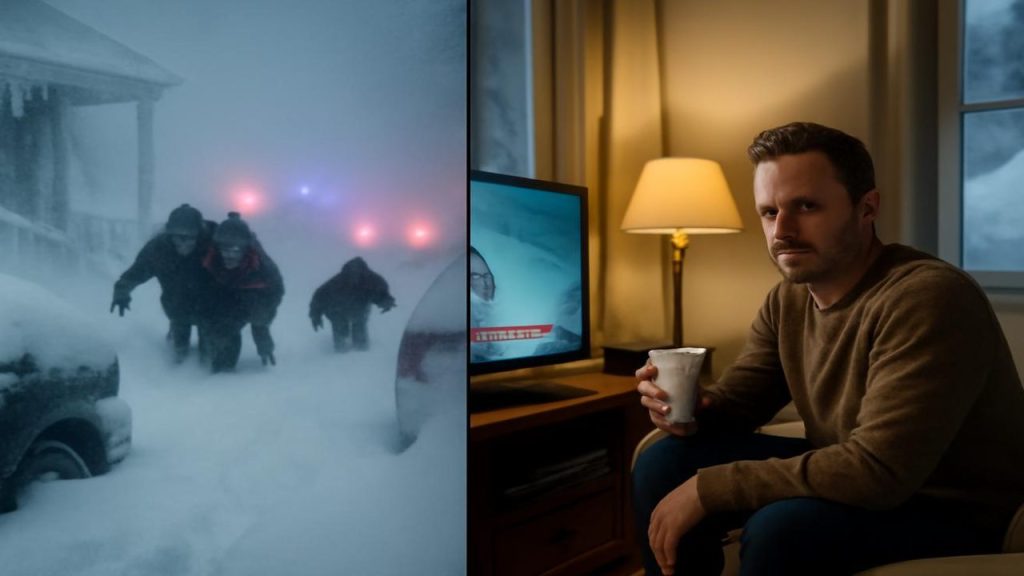
The temperature swings can be dramatic and disorienting. One week you might walk outside without gloves; the next, air cuts your face like glass. Sidewalk puddles freeze into black mirrors overnight, breath hangs heavy and slow, and sounds seem to sharpen—the crunch of boots on snow, the crack of tree limbs when temperatures plunge too rapidly.

| Normal Winter Pattern | Arctic Collapse Pattern |
|---|---|
| Polar vortex maintains tight circulation | Vortex weakens, splits, or drifts off-center |
| Arctic air stays locked over far north | Cold air spills southward in waves |
| Jet stream remains relatively stable | Jet stream develops dramatic buckles and dips |
| Predictable seasonal temperature ranges | Extreme temperature swings within days |
The Warning Signs Meteorologists Are Tracking Right Now
Forecasters look for specific telltale signs of an impending collapse, particularly an event called “sudden stratospheric warming” (SSW). During an SSW event, temperatures high above the Arctic can spike by 30 to 50 degrees Celsius in just a few days.
While these temperatures remain frigid in absolute terms, the rapid warming rate shocks the thin air of the upper atmosphere. This warming disrupts the polar vortex from above, like a hand stirring a still bowl, causing the vortex to stumble, split, or drift away from its normal position.
Those disruptions create downstream effects that matter directly to surface weather. Where the jet stream dips in response to vortex instability, Arctic air can pour southward. Where it bulges, unusual warmth surges northward, creating the chaotic temperature patterns that define these events.

Current long-range models and upper-air observations are painting a concerning picture. The vortex shows clear signs of stress, and if present patterns continue, late January and early February could witness a full-blown atmospheric reorganization.
How Forecasters Listen to the Sky for Early Warnings
While most people experience weather as what they see outside or check on smartphone apps, meteorologists tracking the polar vortex listen to the atmosphere in three dimensions. Their tools extend far beyond traditional surface observations.
Balloons launched from remote Arctic stations carry instruments high into the stratosphere, measuring temperature, wind speed, and pressure at altitudes where the polar vortex operates. Satellites provide continuous monitoring of atmospheric conditions across vast areas that would be impossible to observe from the ground.

These measurements reveal atmospheric patterns weeks before their effects reach the surface. The data shows how energy moves through different layers of the atmosphere, how temperature gradients shift, and how the organized circulation of the polar vortex begins to break down.
This winter’s readings have been particularly striking. The atmospheric anomalies driving vortex instability represent departures from normal patterns that experienced meteorologists recognize as precursors to significant weather disruptions.
Why February Could Become a Month to Remember
Historical patterns show that when the polar vortex experiences the kind of stress currently being observed, February often becomes the month when those disruptions translate into memorable surface weather events. The timing relates to how long it takes for stratospheric changes to work their way down through atmospheric layers.

The buckles that form in the jet stream during these events don’t just bring cold—they reorganize weather patterns across entire continents. Regions that expect mild winter weather can suddenly face Arctic conditions, while areas prepared for cold may experience unseasonable warmth.
These shifts can persist for weeks once they establish themselves, creating extended periods of unusual weather that disrupt everything from energy consumption to transportation systems. The rapid temperature changes can stress infrastructure not designed for such extreme swings.
Current atmospheric modeling suggests that if the polar vortex continues weakening at its present rate, the resulting weather pattern changes could begin manifesting in surface conditions during the final days of January and early February.

Frequently Asked Questions
What exactly is the polar vortex?
The polar vortex is a large area of cold, rotating air located 20 to 30 kilometers high in the stratosphere above the Arctic that normally keeps frigid air contained over the far north.
How quickly can an Arctic collapse affect local weather?
When sudden stratospheric warming occurs, temperatures high above the Arctic can spike by 30 to 50 degrees Celsius in just a few days, with surface effects following within weeks.
What makes this winter’s polar vortex different from normal years?
Meteorologists are observing extreme atmospheric anomalies, including heat where cold should be and fractures forming in the normally tight ring of polar air circulation.

When might people start feeling the effects of these atmospheric changes?
Current patterns suggest that late January and early February could see these stratospheric disruptions translate into significant surface weather changes.
How do meteorologists detect these changes before they reach the ground?
Scientists use weather balloons launched from remote Arctic stations and satellite measurements to monitor atmospheric conditions in three dimensions, detecting changes weeks before surface effects appear.
Could this lead to extended periods of unusual weather?
Yes, when jet stream patterns reorganize due to polar vortex disruptions, the resulting weather changes can persist for weeks, creating extended periods of temperatures far outside normal ranges.










Leave a Comment