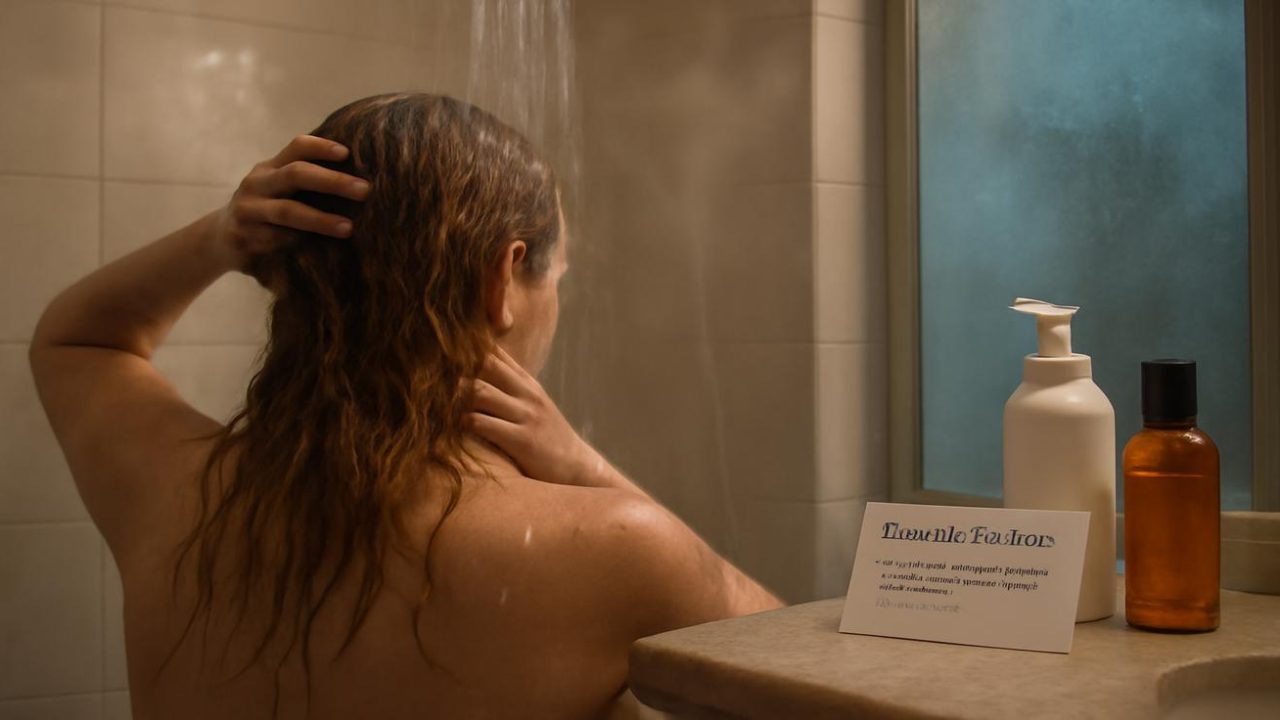
The most damaging mistake you can make for your hair in winter happens every single day, in the place where you seek comfort from the cold: your shower. That scalding hot water you crave after stepping in from freezing temperatures is quietly stripping your hair of everything it needs to stay healthy.
While winter air gets blamed for dry, lifeless hair, the real culprit is often the ritual we build around escaping the cold. Hot showers feel like the perfect antidote to winter’s bite, but they’re creating a cycle of damage that leaves hair brittle, frizzy, and impossible to manage for months.
Why Hot Winter Showers Are Secretly Destroying Your Hair
The science behind winter hair damage starts with understanding hair structure. Each strand consists of three layers: the medulla at the center, the cortex providing strength, and the cuticle—overlapping outer scales that guard your hair’s moisture and shine.

Winter already puts hair at a disadvantage. Cold, dry air outside combined with moisture-sucking indoor heating creates an environment where hair struggles to retain hydration. Natural oils from your scalp move more slowly in cold weather and get stripped away by over-washing and friction from winter hats.
When you turn that shower dial all the way to hot, you’re compounding the problem. Very warm water swells the hair shaft and lifts the cuticle scales, leaving them raised and rough instead of smooth and sealed. In this vulnerable state, hair loses moisture faster than it can be replaced.
Hot water also makes shampoo more aggressive. With cuticles lifted, cleansing products gain easier access to the cortex, where they strip away essential lipids and proteins. Add long shower times and vigorous scrubbing, and you’ve essentially turned each hair fiber into a desert landscape.

The Hidden Damage Hot Water Causes
The destruction doesn’t announce itself immediately. Right after a hot shower, hair might feel “very clean.” But as it dries in heated indoor air, the damage reveals itself through several telltale signs:
- Brittle, straw-like texture that snaps easily
- Complete lack of natural bounce and movement
- Dull appearance with no shine or luster
- Static electricity that makes hair unmanageable
- Tangles that catch and snag like Velcro
- Inability to absorb moisturizing products effectively
The irony is that hot showers feel like self-care in the moment. There’s something almost addictive about that delicious sensation when steaming water hits your scalp and your whole body seems to exhale. Your ears warm up, your nose tingles, and your wind-tightened scalp finally starts to thaw.
But that comforting ritual is creating damage that accumulates over time. Each hot shower is like giving your hair a sunburn it has to heal from, day after day throughout the winter months.

How Winter Compounds the Problem
Winter hair damage rarely results from one single mistake—it’s a constellation of habits built around seeking warmth and comfort. The typical winter routine creates a perfect storm for hair destruction:
| Winter Hair Stressor | How It Damages Hair |
|---|---|
| Hot shower water | Lifts cuticles, strips natural oils, causes moisture loss |
| Extended shower time | Prolonged exposure to damaging heat and harsh cleansers |
| Dry indoor heating | Removes moisture from air and hair surface |
| Cold outdoor air | Slows natural oil production, creates brittleness |
| Winter hat friction | Physically damages cuticles, strips protective oils |
This combination creates a cycle where hair becomes increasingly vulnerable. As damage accumulates, hair loses its ability to protect itself, making it even more susceptible to further harm from hot water and harsh environmental conditions.
Breaking the Cycle of Winter Hair Damage
Understanding the root cause of winter hair problems—those too-hot, too-long showers—opens the door to real solutions. The fix isn’t about avoiding showers or accepting damaged hair as inevitable.

The key is recognizing that the comfort you seek from scalding water comes at a steep price. Your hair is already fighting an uphill battle against winter conditions. Adding the stress of hot water and extended exposure to cleansing products pushes it past its breaking point.
Instead of asking hot water to fix what cold air has done, the solution lies in working with your hair’s natural structure rather than against it. This means adjusting not just water temperature, but rethinking your entire winter shower routine.
The goal isn’t to make showers uncomfortable, but to find the sweet spot where you can still enjoy warmth and relaxation without inflicting daily damage on your hair. Small changes in temperature and technique can preserve your hair’s health while still providing the comfort you crave during cold months.
What Healthy Winter Hair Care Looks Like
Protecting your hair in winter starts with understanding that less can be more. Your hair doesn’t need to be stripped clean every day—it needs to retain its natural protective elements while gently removing dirt and buildup.
The most effective approach focuses on supporting your hair’s existing defense mechanisms rather than overwhelming them. This means choosing water temperatures that cleanse without causing structural damage, and using products that work with your hair’s natural moisture balance.
Remember that winter hair damage is cumulative. Each small improvement in your routine compounds over time, just as each damaging habit builds toward more serious problems. The sooner you address the hot water habit, the faster your hair can begin recovering its natural strength and shine.

Your winter shower can still be a sanctuary from the cold—it just needs to become a place where your hair finds relief too, rather than enduring daily assault from well-intentioned but damaging heat.
Frequently Asked Questions
What water temperature should I use to wash my hair in winter?
The source doesn’t specify exact temperatures, but emphasizes avoiding “very warm or hot water” that swells the hair shaft and lifts cuticles.
How long should winter showers be to avoid hair damage?
The source identifies “too long” showers as part of the problem but doesn’t provide specific time recommendations.

Can I reverse damage from hot winter showers?
The source suggests hair needs to “heal” from hot water damage, implying recovery is possible, but doesn’t detail the timeline or process.
Why does my hair feel clean right after a hot shower but look terrible later?
According to the source, hot water makes hair feel “very clean” initially, but damage only shows as hair dries in heated indoor air.
Is winter air or hot showers worse for hair?
The source indicates that while winter air is harsh, hot showers compound the problem significantly, making them the primary mistake to address.

How do I know if my showers are too hot for my hair?
The source doesn’t provide specific indicators, but suggests looking for signs like brittleness, lack of bounce, dullness, static, and tangles as evidence of heat damage.








Leave a Comment