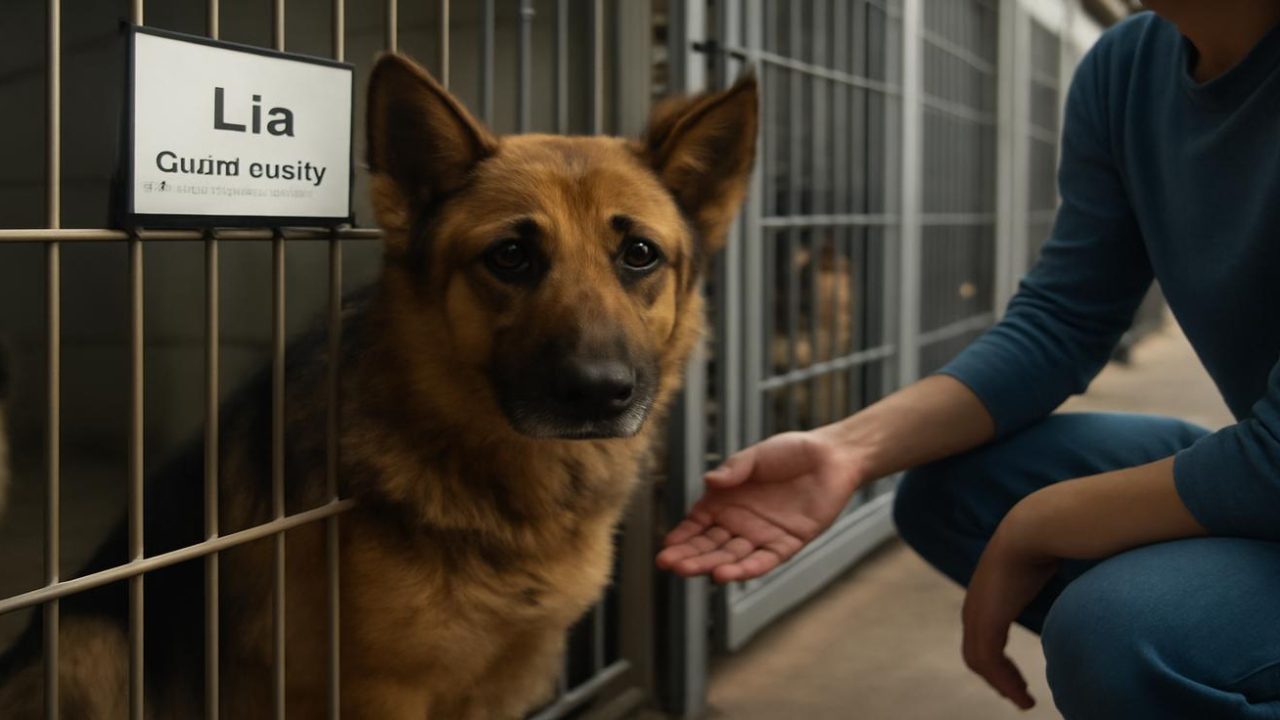
A German shepherd rescue dog stands cautiously at your doorstep, carrying the quiet wariness of an animal who has learned that the world can change without warning. The volunteer hands you the leash with a look that’s part hope, part warning, and suddenly you’re facing a question that thuds beneath countless rescue stories: Is saving one life worth risking your family’s safety?
This dilemma sits at the heart of German shepherd rescue adoption, where urgent pleas for “loving homes needed” meet families wrestling with legitimate safety concerns. The breed’s powerful reputation—shaped by police K9 units and sensationalized news stories—can make even well-intentioned families hesitate when considering adoption.
The reality is both less dramatic and more complicated than the headlines suggest. German shepherds aren’t born dangerous, but they arrive with enormous potential that previous owners may have shaped in unpredictable ways.

Understanding the German Shepherd Rescue Reality
When you hear “German shepherd rescue,” your mind might construct an image of a large, powerful dog with a painful past—maybe unloved, untrained, or reactive. The word “urgent” in adoption pleas can trigger protective instincts, especially when your home serves as your family’s sanctuary.
The truth is that a German shepherd’s potential danger isn’t woven into their DNA like a ticking bomb. What’s actually built into their genetics is massive potential for loyalty, protectiveness, and hyper-awareness. Human choices shape whether that potential becomes something safe and beautiful or something unpredictable and concerning.
Most rescue German shepherds arrive with stories written by someone else’s decisions. Some were backyard guard dogs, chained and under-socialized. Others were “discarded tools” when they didn’t meet expectations for security or sport work. Many simply grew from fluffy puppies into gangly adolescents and became “too much” for unprepared owners.

Very few are born problematic, but many are born into the wrong hands.
What Rescue Dogs Actually Bring Into Your Home
The first night often reveals the German shepherd paradox. These dogs don’t simply sleep—they patrol. They pace wide loops from front door to hallway to children’s rooms, claws ticking against floors, ears constantly moving to track every sound.
This behavior stems from the German shepherd mind: they’re geniuses at reading patterns and predicting movement, wired to notice, respond, and step between their family and whatever they decide is “unsafe.” In the right context, this instinct is a gift. In crowded modern life full of doorbells, deliveries, visiting friends, and neighboring dogs, it can become overwhelming.

The breed’s intelligence works both for and against them in rescue situations. They excel at learning new rules and boundaries, but they also remember past trauma with startling clarity. A slammed door, raised voice, or hand that moves too quickly can trigger responses shaped by previous experiences.
Key Considerations for Potential German Shepherd Adopters
Before bringing a rescue German shepherd home, families need honest assessments of their situation and capabilities. Love and good intentions alone aren’t sufficient preparation for a dog whose potential spans from devoted family guardian to unpredictable liability.
- Physical space requirements: German shepherds need room to move and patrol without becoming territorial about confined spaces
- Time commitment: These dogs require consistent training, mental stimulation, and structured exercise routines
- Family dynamics: Consider how the dog will interact with children, elderly family members, and frequent visitors
- Neighborhood environment: Busy streets, close neighbors, and high-traffic areas can overwhelm reactive rescue dogs
- Financial resources: Veterinary care, professional training, and potential property damage should factor into budget planning
The rescue process should include thorough background information about the dog’s history, temperament testing, and honest discussions about any behavioral concerns. Reputable rescues will match dogs with appropriate families rather than pushing quick adoptions.

| Assessment Factor | Green Light Indicators | Red Flag Warnings |
|---|---|---|
| Living Space | Fenced yard, room to patrol | Apartments, shared walls |
| Family Experience | Previous large breed ownership | First-time dog owners |
| Time Availability | Flexible schedules, work from home | Long work hours, frequent travel |
| Children Present | Older kids, dog experience | Toddlers, unpredictable schedules |
The Real Risks and Rewards Balance
Responsible German shepherd adoption means acknowledging that these dogs bring both exceptional loyalty and significant responsibility. Their protective instincts can manifest as aggressive behavior toward strangers, delivery workers, or other dogs if not properly channeled through training.
However, the same traits that make poorly socialized German shepherds challenging can make well-integrated ones extraordinary family companions. Their intelligence allows them to learn complex household rules, their loyalty creates unbreakable family bonds, and their natural protectiveness provides genuine security benefits.
The key lies in honest self-assessment. Families considering German shepherd rescue adoption should evaluate whether they can provide the structure, training, and consistency these dogs require to thrive. “Saving one life” should never mean gambling with the safety of family members you’ve already promised to protect.

Professional evaluation and gradual integration help determine whether a specific dog matches a family’s capabilities. Some rescue German shepherds adapt beautifully to family life with proper support, while others may need specialized homes or continued professional care.
Making the Decision That’s Right for Your Family
The question isn’t whether German shepherd rescues deserve loving homes—they absolutely do. The question is whether your specific family can provide the type of home that sets both the dog and your family up for success.
This means moving beyond emotional appeals and urgent deadlines to make calculated decisions based on realistic assessments of your resources, experience, and living situation. It means asking hard questions about worst-case scenarios and having honest conversations about everyone’s comfort level with potential risks.

For families who can provide appropriate homes, German shepherd rescue adoption offers the chance to transform a dog’s life while gaining a devoted family member. For those who cannot, supporting rescue organizations through donations, volunteering, or advocacy helps these dogs find the right matches without compromising family safety.
The most loving choice isn’t always adoption—sometimes it’s ensuring each dog finds the specific type of home where they can truly flourish.
Frequently Asked Questions
Are German shepherd rescue dogs more dangerous than other breeds?
German shepherds have powerful protective instincts that can become problematic without proper training and socialization, but danger depends more on individual history and owner preparation than breed alone.

How can I tell if a rescue German shepherd is right for my family?
Consider your experience with large dogs, available time for training, living space, and family dynamics including children and frequent visitors.
What should I expect during the first few weeks with a rescue German shepherd?
Many rescue German shepherds will patrol constantly, react to unfamiliar sounds, and need time to learn household routines and trust new family members.
Do rescue German shepherds require professional training?
While not always mandatory, professional training helps channel their intelligence and energy constructively, especially for families without previous large breed experience.

How long does it take for a rescue German shepherd to settle into a new home?
The adjustment period varies widely depending on the dog’s history, but most require several months to fully adapt to new routines and trust their new family.
What happens if a rescue German shepherd doesn’t work out with my family?
Reputable rescue organizations typically accept returns and work to find more suitable placements, though this varies by organization and specific circumstances.











Leave a Comment