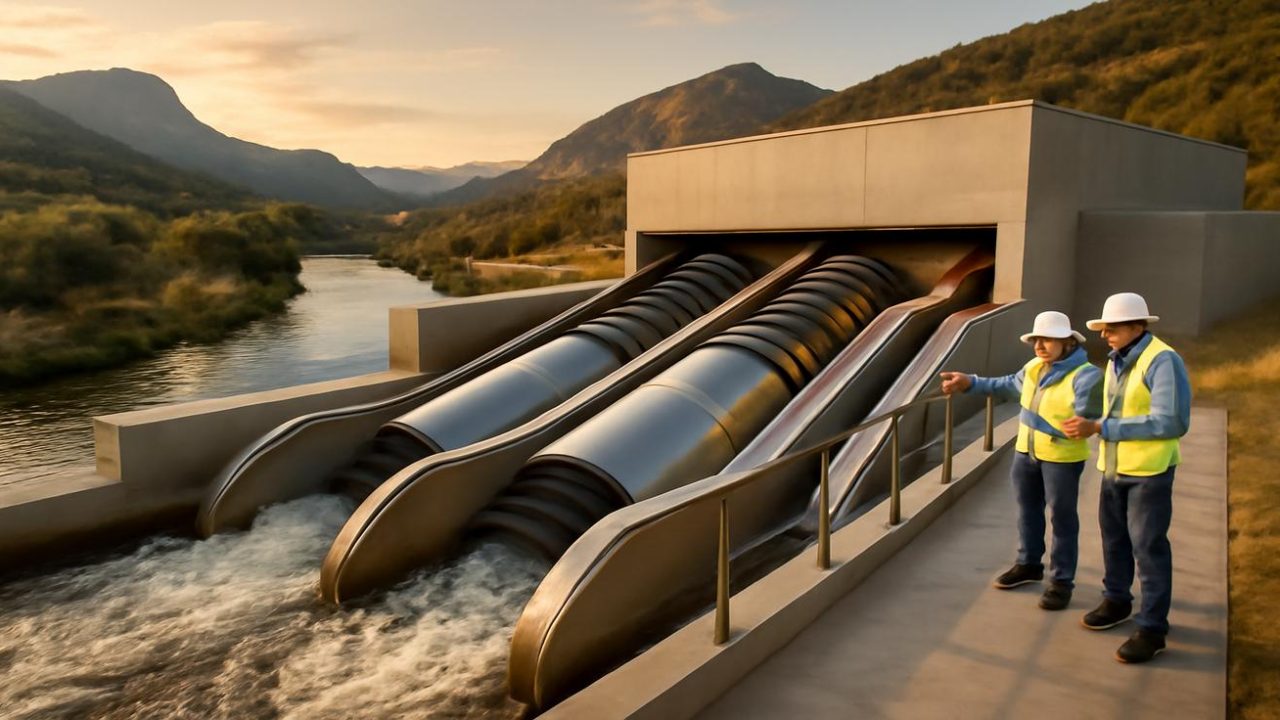
Spain’s water infrastructure has been quietly turning an expensive engineering problem into a renewable energy solution, using technology that generates electricity without traditional turbines. Instead of wasting the natural pressure that builds up in water distribution systems, Spanish engineers are now capturing that energy and converting it directly into power.
For decades, water systems across Spain have relied on pressure-reducing valves to prevent pipes from bursting under high water pressure. These devices essentially burned off valuable energy as heat and turbulence, solving one problem while creating another: massive energy waste in a country already struggling with high infrastructure costs.
The shift represents a fundamental change in how water systems can function—not just as essential infrastructure, but as distributed power generators hidden in plain sight.

How Spain Transformed Water Pressure Into Clean Energy
Spain’s approach centers on replacing traditional pressure-reducing valves with devices that convert excess water pressure directly into electricity. The technology works by capturing the potential energy that water naturally accumulates when it moves through elevated distribution systems.
When water is pumped uphill to reservoirs and treatment facilities, it gains potential energy. As that water flows back down through the distribution network, traditional systems waste that energy through pressure-reducing valves designed to prevent pipe damage from excessive pressure.
The new systems intercept that process. Instead of burning off energy as waste heat, specialized equipment converts the pressure differential into usable electricity. The water still reaches consumers at appropriate pressure levels, but the energy that was previously lost now powers the grid.

These installations often look more like upgraded valves than power plants. Some use advanced pump-as-turbine configurations, while others employ hydraulic regulation systems or isobaric energy recovery technology similar to what makes modern desalination plants more efficient.
The Technology Behind Turbine-Free Hydropower
Unlike traditional hydropower systems that require large turbines, dams, and specific geographic conditions, Spain’s approach works within existing water infrastructure. The technology can be installed in water treatment plants, distribution networks, and even underground pipe systems.
Key advantages of this approach include:

- Compact design that fits into existing pipe systems
- No need for additional reservoirs or dams
- Installation possible in urban and rural water networks
- Minimal disruption to existing water service
- Lower maintenance requirements than traditional turbines
The systems work by using the same pressure differentials that water engineers have always had to manage. The difference is that instead of dissipating that pressure as waste, the new technology harnesses it productively.
| Traditional System | New Technology |
|---|---|
| Pressure-reducing valves | Energy-capturing pressure regulation |
| Energy wasted as heat | Energy converted to electricity |
| Operating cost | Revenue generation |
| Single function (pressure control) | Dual function (pressure control + power generation) |
Why This Approach Makes Sense for Spain’s Geography
Spain’s landscape and climate create ideal conditions for this technology. The country’s mountainous terrain means water systems routinely involve significant elevation changes, creating natural pressure differentials that can be harvested for energy.
Additionally, Spain’s water infrastructure already includes the massive pumping systems, treatment plants, and distribution networks needed to move water across dramatic elevation changes. The country’s investment in water infrastructure over recent decades means the basic framework for energy recovery is already in place.

The technology also addresses Spain’s specific energy challenges. As a country with growing cities and intensive agriculture in a hot, dry climate, Spain has historically spent enormous amounts on energy to power its water systems. Converting some of that infrastructure into distributed power generation helps offset those costs.
Spain’s history with water management—from ancient Moorish irrigation systems to modern reservoir networks—has always focused on maximizing the utility of every drop. This technology extends that philosophy to energy, ensuring that the power invested in moving water uphill gets recovered when that water flows back down.
Real-World Applications and Installation Sites
The technology is being deployed in various types of water infrastructure across Spain. Water treatment plants represent one major application area, where the pressure differentials created during treatment processes can be captured for power generation.

Distribution networks offer another opportunity, particularly in mountainous regions where water travels significant distances and elevation changes between treatment facilities and end users. The underground pipe systems that connect reservoirs to urban areas often involve substantial pressure management requirements that can now generate electricity.
Desalination plants also benefit from this technology. Spain’s coastal regions rely heavily on desalinated seawater, and the energy recovery systems can improve the overall efficiency of these energy-intensive facilities.
The installations can operate continuously as long as water flows through the system, providing steady baseline power generation rather than the variable output associated with solar or wind power.

What This Means for Spain’s Energy Future
While individual installations may seem small compared to major power plants, the distributed nature of water infrastructure means the cumulative impact could be significant. Every water treatment plant, distribution network, and pressure management system represents a potential energy generation site.
The approach also offers energy security benefits. Unlike centralized power plants that can fail or be disrupted, distributed energy generation through water infrastructure creates a more resilient power grid with multiple small generation points.
For water utilities, the technology transforms infrastructure from a cost center into a revenue generator. Systems that previously only consumed energy to move and treat water can now produce power that offsets operational costs or generates income.

The technology could also influence how future water infrastructure gets designed and built. Instead of viewing pressure management as a necessary engineering challenge, planners can now consider it an opportunity for integrated energy generation.
Frequently Asked Questions
How does this technology differ from traditional hydropower?
Traditional hydropower uses large turbines and dams, while this approach converts water pressure directly into electricity using compact devices that fit inside existing pipe systems.
Does this affect water quality or pressure for consumers?
The technology maintains the same pressure regulation function as traditional valves, so consumers receive water at normal pressure and quality levels.

Can this technology be used in other countries?
Any water system with elevation changes and pressure management requirements could potentially use this technology, though specific applications would depend on local infrastructure.
How much electricity can these systems generate?
The source material does not provide specific power generation figures for Spain’s installations.
What types of water facilities can use this technology?
The technology can be installed in water treatment plants, distribution networks, underground pipe systems, and desalination facilities.
Are these systems expensive to install and maintain?
The source material indicates these systems have lower maintenance requirements than traditional turbines, but specific cost information is not provided.










Leave a Comment