After age 50, your body begins losing approximately 1% of muscle mass each year in a process called sarcopenia. This gradual decline starts as early as your 40s, often going unnoticed until everyday tasks like carrying groceries or getting up from the floor become more challenging.
The conventional wisdom suggests loading up on meat and cured meats to combat this muscle loss. But what if your digestive system rebels against red meat, or you’re concerned about heart health and sodium intake? The solution doesn’t require a trip to the deli counter.
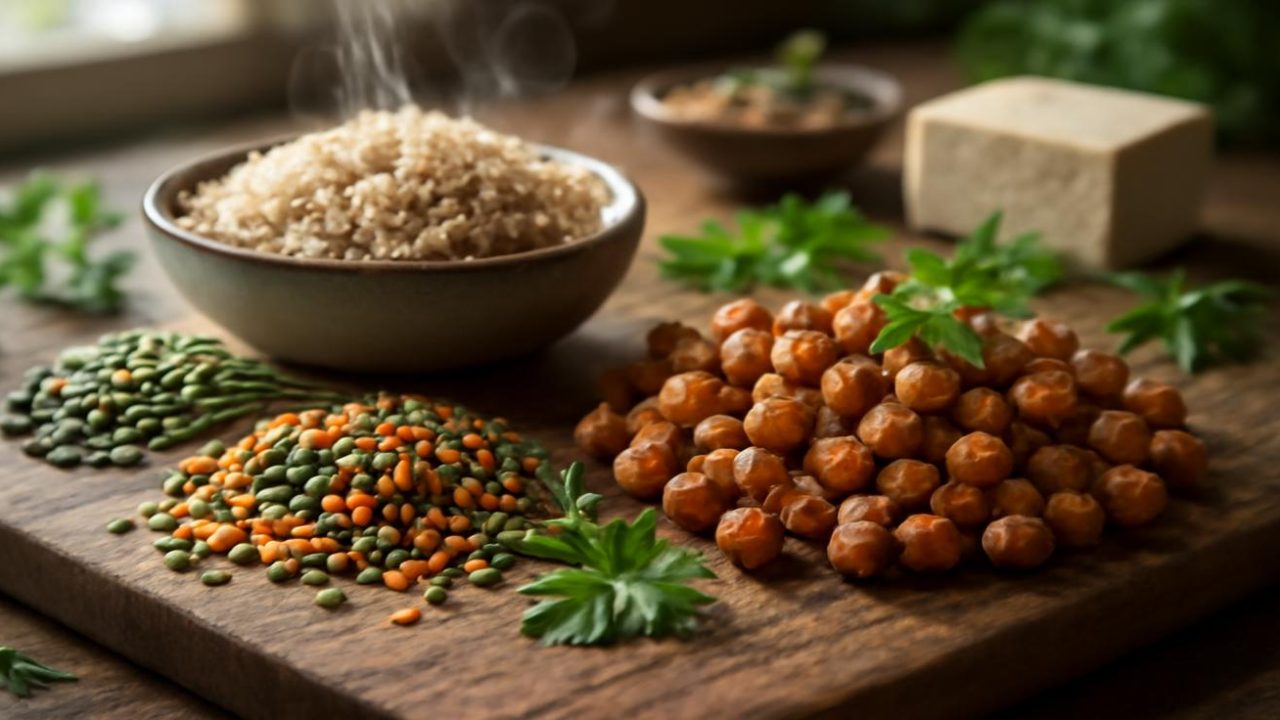
Three humble, plant-based protein powerhouses can effectively protect your muscle mass without relying on meat or processed meats: lentils, tofu, and Greek-style yogurt or its plant-based alternatives.

Why Your Muscles Get Pickier After 50
Something invisible shifts as birthdays accumulate. Your muscles are constantly breaking down and rebuilding themselves, but after 50, they become more stubborn about this process. They demand higher-quality protein and more consistency throughout the day, not just one protein-heavy dinner.
This isn’t about being “too old to build muscle.” Your muscles simply require more coaxing. They need adequate protein spread across meals, combined with regular movement, to maintain their structure and strength.
The muscle loss manifests gradually—slower walks, a softer grip, more cautious steps on stairs. You might first notice it when grocery bags feel heavier than they did last year, or when rising from a chair requires an extra push.

Leaving processed meats behind can actually benefit your heart, blood pressure, and digestion. Instead of relying on sodium-heavy deli meats, these three protein sources offer a gentler approach to muscle preservation.
Lentils: Your Everyday Muscle Guardian
Picture a thick, fragrant lentil stew on a cold evening. Steam rises with hints of garlic, onion, and tomato, maybe cumin or thyme. That comforting bowl delivers serious nutritional power.
One cooked cup of lentils provides approximately 18 grams of protein, plus fiber that stabilizes blood sugar and supports healthy digestion. After 50, this combination becomes crucial for managing energy levels and avoiding afternoon crashes.

Lentils also supply essential minerals like iron and magnesium while being remarkably budget-friendly. No fancy ingredients or complex techniques required—just water, a pot, and whatever vegetables you have on hand.
There’s something grounding about cooking lentils. You rinse them in a colander, hearing the soft rattle as they fall like tiny pebbles. They simmer and swell, absorbing flavors while releasing a subtle, nutty aroma.
For muscle protection, lentils offer reliable versatility. Stir them into soups, toss through salads, form into patties, or fold into tomato sauce as a ground meat substitute. You’re not eating “health food”—you’re enjoying something warm, filling, and satisfying.

The Protein Powerhouse Breakdown
Here’s how these three muscle-protecting foods stack up nutritionally:
| Food | Protein per Serving | Key Benefits | Best Uses |
|---|---|---|---|
| Lentils (1 cup cooked) | 18 grams | High fiber, iron, magnesium | Soups, stews, salads, patties |
| Tofu (4 oz firm) | 20 grams | Complete amino acids, versatile | Stir-fries, marinades, scrambles |
| Greek yogurt (1 cup) | 20-23 grams | Probiotics, calcium, quick prep | Breakfast, snacks, smoothies |
Each serving provides substantial protein while offering additional health benefits that support overall wellness after 50.
Tofu: The Adaptable Protein Chameleon
Tofu might seem intimidating, but it’s essentially a blank canvas waiting for your favorite flavors. Made from soybeans, it provides all essential amino acids your muscles need—something not all plant proteins can claim.

Four ounces of firm tofu delivers about 20 grams of complete protein. Unlike meat, tofu absorbs marinades beautifully, taking on whatever flavors you introduce. Marinate it in soy sauce and ginger for Asian dishes, or herbs and olive oil for Mediterranean flavors.
The key to great tofu lies in preparation. Press out excess water, then cube it for stir-fries, crumble it for scrambles, or slice it for grilling. Silken varieties work perfectly in smoothies or as egg replacements in baking.
Tofu’s neutral taste makes it incredibly versatile. It can anchor a hearty dinner or blend invisibly into a morning smoothie, providing steady protein without overwhelming other flavors.

Greek Yogurt: The Convenient Protein Champion
Greek-style yogurt offers one of the most convenient protein sources available. With 20-23 grams of protein per cup, it requires zero cooking and minimal preparation.
The straining process that creates Greek yogurt concentrates the protein while removing excess whey. This results in a thicker texture and higher protein content than regular yogurt.
Beyond protein, Greek yogurt provides probiotics for digestive health and calcium for bone strength—both increasingly important after 50. Choose plain varieties to avoid added sugars, then customize with your own fruits, nuts, or honey.

For those avoiding dairy, plant-based Greek-style yogurts made from almonds, coconut, or pea protein offer similar convenience with comparable protein levels.
Making These Foods Work in Real Life
Incorporating these protein sources doesn’t require a complete dietary overhaul. Start small and build gradually:
- Add a handful of cooked lentils to your regular salad
- Replace half the ground meat in pasta sauce with lentils
- Try tofu scramble instead of eggs once a week
- Use Greek yogurt as a base for smoothies or parfaits
- Substitute Greek yogurt for sour cream in recipes
The goal is consistency rather than perfection. Your muscles respond better to steady protein intake throughout the day than to one massive protein meal.

Batch cooking helps tremendously. Cook a large pot of lentils on Sunday, press and marinate tofu in advance, or portion Greek yogurt into grab-and-go containers.
Remember that muscle preservation after 50 isn’t just about protein—it’s about the combination of adequate protein, regular movement, and consistent habits. These three foods simply make the protein part easier and more enjoyable.
Frequently Asked Questions
How much protein do I need after 50?
While individual needs vary, most adults over 50 benefit from spreading protein throughout the day rather than concentrating it in one meal.
Can plant proteins really replace meat for muscle building?
Yes, especially when you include complete proteins like tofu or combine different plant proteins throughout the day.
Are lentils difficult to digest?
Some people experience initial digestive adjustment, but starting with smaller portions and cooking them thoroughly usually helps.
What’s the difference between regular and Greek yogurt for protein?
Greek yogurt typically contains double the protein of regular yogurt due to the straining process that removes excess whey.
How do I make tofu taste good?
Press out excess water, then marinate it for at least 30 minutes before cooking to allow flavors to penetrate.
Can I get enough protein without any animal products?
Yes, by combining various plant proteins and including complete proteins like tofu, you can meet your protein needs entirely from plants.











Leave a Comment