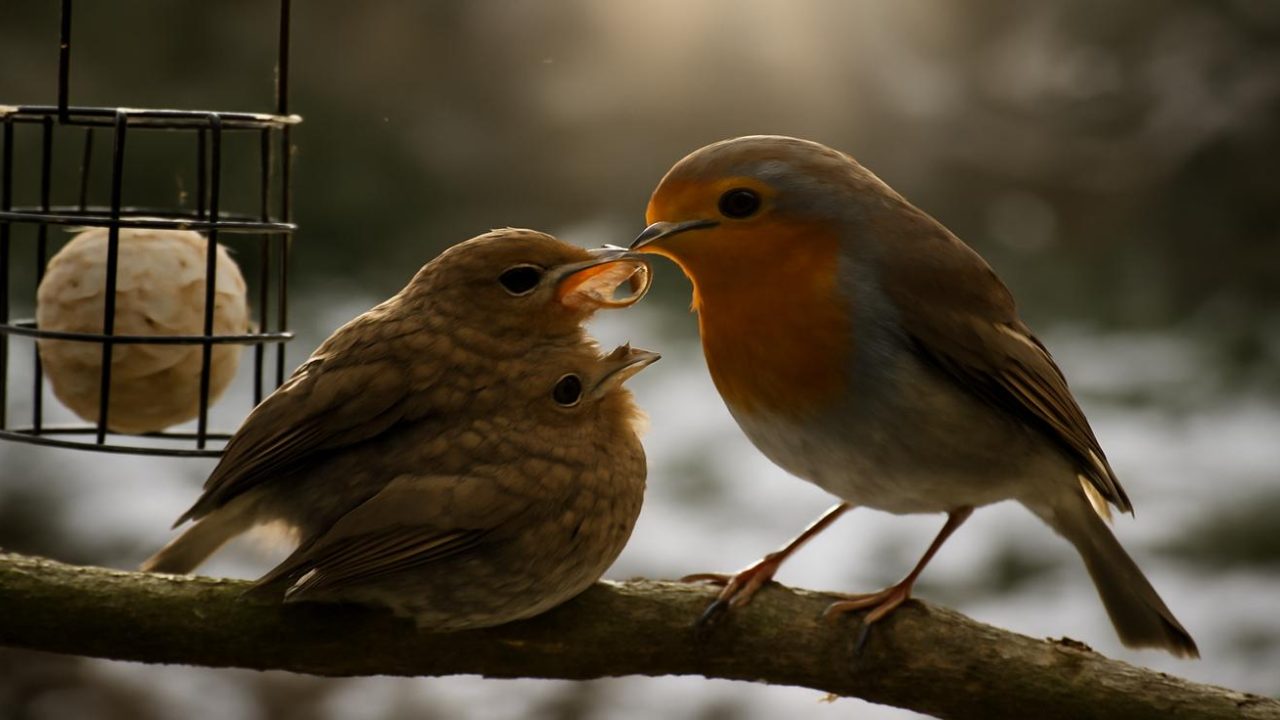
A robin weighs less than a £1 coin, yet this tiny bird must burn through enormous amounts of energy just to survive a single winter night. When temperatures drop and frost settles across British gardens, these beloved red-breasted birds face a deadly calculation: find enough fuel to keep warm, or risk not seeing another dawn.
The RSPCA has shared surprisingly simple advice for helping robins through the coldest months, and the solution likely sits in your kitchen cupboard right now. Forget expensive specialty bird foods with fancy packaging—what robins really need is something far more humble and accessible.
The answer is plain, unsalted oats. These ordinary breakfast staples can become a genuine lifeline for robins struggling through winter’s harsh conditions, providing the dense, quick energy these small birds desperately need when natural food sources become scarce.

Why Winter Is So Dangerous for Garden Robins
Robins might appear bold and resilient as they hop across frost-covered lawns, but their confident demeanor masks a fragile reality. These birds are primarily insect hunters, and winter transforms their world into a challenging landscape where their preferred food sources disappear or become nearly impossible to access.
When the ground freezes solid and insect life retreats into hiding, robins face an energy crisis. Each day becomes a race against time—how many calories can they find before darkness falls and temperatures plummet?
During winter nights, robins rely entirely on stored energy to maintain their body temperature. Their small size, while advantageous for quick movements and accessing tight spaces, becomes a liability when it comes to retaining heat. Every flutter between fence posts, every dart to search the ground, every moment spent scanning for food burns precious calories that must be constantly replenished.

This is where human intervention can make the difference between survival and death for these garden visitors. The RSPCA emphasizes that winter is precisely when robins need help most, and that help doesn’t require expensive or exotic solutions.
The Kitchen Staple That Saves Lives
Plain, unsalted oats—whether rolled or porridge-style—offer exactly what struggling robins need: carbohydrates that help them maintain crucial body heat through long, cold nights. The RSPCA highlights these humble ingredients as surprisingly powerful tools for winter bird care.
Beyond basic oats, a few other kitchen staples can supplement a robin’s winter diet effectively:

- Unsalted, grated cheese provides essential protein and fats
- Soaked, chopped sultanas offer natural sugars and nutrients
- Plain porridge oats scattered on the ground or feeding tables
- Crumbled, unsalted cheese mixed with oats for variety
The beauty of this approach lies in its accessibility. These ingredients transform any garden into what the source material aptly describes as “a winter service station” for Britain’s most beloved birds. There’s something almost poetic about the connection—the same oats you might stir into your morning porridge could be keeping a robin alive through a brutal winter night.
| Food Type | Benefit for Robins | Preparation |
|---|---|---|
| Plain Oats | High carbohydrates for energy | Scatter dry, ensure unsalted |
| Grated Cheese | Protein and essential fats | Use unsalted varieties only |
| Sultanas | Natural sugars and nutrients | Soak and chop into small pieces |
Understanding Robin Behavior in Cold Weather
Watching a robin in winter reveals the constant energy calculations these birds must make. Every movement is purposeful, every pause strategic. They spend daylight hours in what can only be described as restless calculation—weighing the energy cost of each action against potential caloric rewards.
Their territorial nature, so charming in spring and summer, becomes a survival mechanism in winter. A robin defending its patch of garden isn’t just being aggressive—it’s protecting a known food source that could mean the difference between life and death.

The bright red breast that makes robins so recognizable serves a practical purpose too. In winter, you’ll notice robins puff out their chest feathers, creating insulation against the cold. This fluffed appearance is actually a sign that the bird is working hard to maintain its body temperature.
When you provide oats and other suitable foods, you’re not just offering a meal—you’re giving robins the energy reserves they need to survive nights when the world becomes “too hard and metallic to support something so light and fast-beating,” as the source material poetically describes.
Safe Feeding Practices That Actually Help
While the impulse to help garden robins is admirable, good intentions can sometimes cause harm if not properly executed. The RSPCA’s guidance emphasizes feeding robins safely and effectively, which means understanding what foods to avoid as well as which ones help.

Salt represents one of the biggest dangers in well-meaning bird feeding. Any food containing salt—whether salted nuts, seasoned breadcrumbs, or flavored crackers—can be harmful or even fatal to small birds like robins. Their tiny bodies cannot process salt the way humans can.
Placement matters too. Scatter oats and other robin-friendly foods on the ground rather than in elevated feeders, since robins are ground-feeding birds by nature. They’re more comfortable hopping along the earth, searching for scattered food as they would hunt for insects.
Consistency in feeding helps robins learn to rely on your garden as part of their survival strategy. If you start providing food during a cold snap, try to maintain that support throughout the winter rather than stopping abruptly when birds may have come to depend on it.

The Bigger Picture of Winter Wildlife Care
Helping robins through winter connects to a larger conversation about supporting wildlife during the harshest season. Climate change has made weather patterns less predictable, with sudden temperature drops and extended cold periods that can catch birds unprepared.
Gardens increasingly serve as crucial wildlife corridors, especially in urban and suburban areas where natural habitats face pressure from development. When you scatter oats for a robin, you’re participating in a network of small actions that collectively support wildlife populations through challenging times.
The RSPCA’s focus on simple, accessible solutions reflects a broader understanding that wildlife conservation doesn’t always require specialized knowledge or expensive equipment. Sometimes the most effective help comes from recognizing that our kitchens contain exactly what struggling animals need.

This approach also builds the kind of connection between humans and wildlife that fosters long-term conservation awareness. When you watch a robin benefit from oats you’ve provided, you develop a personal investment in that bird’s welfare and, by extension, in the health of your local ecosystem.
Frequently Asked Questions
What type of oats should I use for feeding robins?
Use plain, unsalted oats—either rolled or porridge-style varieties work well, as long as they contain no added salt or flavorings.
How much should I feed robins in winter?
Start with small amounts scattered on the ground and observe how quickly birds consume the food, adjusting quantities based on demand.

Can I use flavored oats or instant porridge packets?
No, avoid any oats with added salt, sugar, or flavorings, as these can be harmful to robins and other small birds.
Where should I place food for robins in my garden?
Scatter oats and other foods on the ground rather than in elevated feeders, since robins are natural ground-feeding birds.
What other kitchen items are safe for robins besides oats?
Unsalted grated cheese and soaked, chopped sultanas can supplement oats, providing protein and natural sugars respectively.
Is it safe to stop feeding robins once I start?
Try to maintain consistent feeding throughout winter rather than stopping abruptly, as birds may come to rely on your garden as part of their survival strategy.











Leave a Comment