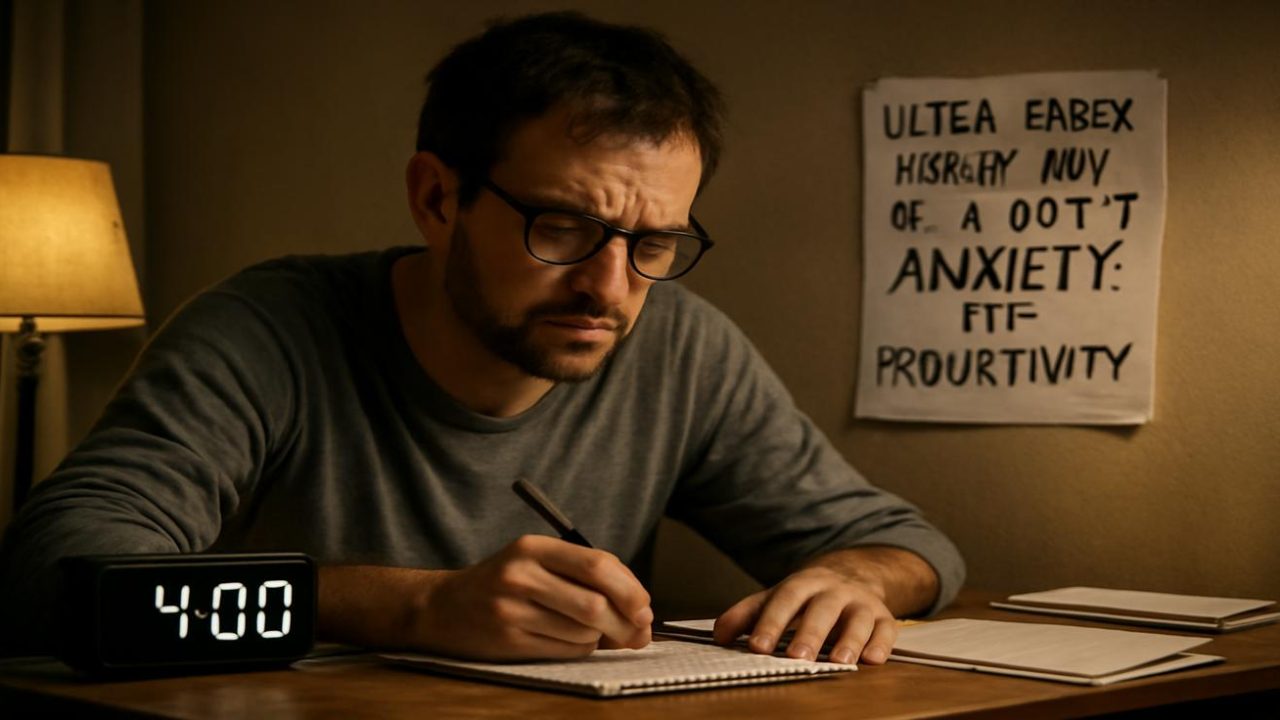
Psychologists are challenging one of our most cherished productivity myths: that people who wake up early without an alarm are automatically healthier and more disciplined than the rest of us. New research suggests the personality traits we associate with natural early risers might actually mask underlying anxiety, perfectionism, and an inability to truly rest.
The shift represents a dramatic departure from years of “miracle morning” culture that celebrated 5 a.m. wake-ups as the key to success. Instead of viewing alarm-free early rising as pure virtue, mental health experts are asking a more complex question: why exactly are you waking up so early?
The answer, they’re finding, isn’t always as healthy as it appears on the surface.

The Dark Side of “Discipline” Culture
For decades, early risers who didn’t need alarms were treated like productivity royalty. CEOs bragged about their 4:30 a.m. routines. Social media celebrated “that girl” with the perfect sunrise schedule. The message was clear: if you needed an alarm, you lacked self-mastery.
But psychologists are now noticing something troubling in this narrative. The same behavior—waking before dawn without external prompts—can stem from two completely different internal states. One version represents genuine alignment with natural circadian rhythms. The other masks chronic hyper-alertness disguised as discipline.
The difference matters because outwardly, both look identical. A person waking at 5 a.m. could be either well-rested and naturally energized, or running on a constant state of low-level anxiety that prevents deep, restorative sleep.

Sleep scientists have begun speaking more loudly about this distinction as wellness culture has increasingly promoted sleep deprivation as a virtue rather than recognizing it as what it actually is: a health risk.
Eight “Healthy” Traits That Might Signal Problems
Mental health professionals have identified specific personality characteristics common among natural early risers that sound admirable but may indicate deeper issues:
- Extreme self-discipline that borders on self-punishment: Going to bed early and waking early not from genuine tiredness and restoration, but because staying in bed feels “lazy” or “unproductive”
- Mental toughness that hides chronic vigilance: Priding yourself on needing less sleep than others while your nervous system remains constantly braced for action
- Productivity obsession: Measuring self-worth through morning accomplishments rather than overall well-being
- Perfectionist tendencies: Using early rising as proof of superior self-control
- Difficulty with genuine rest: An inability to truly “turn off” even during designated sleep hours
- Anxiety masquerading as motivation: Waking early due to racing thoughts rather than natural energy
- Emotional rigidity: Sticking to schedules regardless of what your body actually needs
- Hyper-responsibility: Feeling that relaxation or extra sleep represents moral failure
The key insight is that these traits often develop as coping mechanisms for underlying stress rather than genuine markers of health.

Why Your Body Might Be Waking You Up Too Early
Understanding the physiology behind alarm-free early waking reveals why this behavior isn’t automatically positive. When your mind is chronically preparing for challenges, your body responds by maintaining a state of readiness that can interrupt natural sleep cycles.
This creates a cycle where people wake up not because they’re fully rested, but because their nervous system is on constant alert. The brain interprets this as discipline and productivity, but the body experiences it as ongoing stress.
| Healthy Early Rising | Stress-Driven Early Rising |
|---|---|
| Feeling naturally energized upon waking | Waking with racing thoughts or anxiety |
| Genuine alignment with circadian rhythms | Hyper-vigilant nervous system preventing deep sleep |
| Flexible schedule based on body’s needs | Rigid adherence regardless of tiredness |
| Morning activities feel enjoyable | Morning routine feels compulsive or necessary for self-worth |
The distinction becomes clearer when you examine motivation. Healthy early risers wake up because their bodies are ready. Stressed early risers wake up because their minds won’t let them stay asleep.

The Real Cost of Productivity Pressure
This research matters because millions of people have internalized the message that their sleep patterns reflect their character. Social media feeds overflow with 5 a.m. workout videos and sunrise productivity content, creating pressure to view rest as weakness.
For people already prone to anxiety or perfectionism, this cultural messaging can transform natural sleep needs into sources of shame. They push themselves to wake earlier than their bodies want, then interpret their compliance as evidence of superior discipline.
The reality is more nuanced. Some people are natural larks who genuinely thrive on early schedules. Others are forcing themselves into patterns that don’t serve their actual well-being, driven by external expectations about what “successful” people do.

Mental health professionals emphasize that true wellness requires honest self-assessment: Are you waking up early because you feel rested and ready, or because you’ve been conditioned to believe that sleeping longer makes you lazy?
What Healthy Sleep Actually Looks Like
Rather than focusing on wake-up times, sleep experts recommend paying attention to sleep quality and individual needs. Healthy sleep patterns vary dramatically between individuals, and there’s no universal “right” time to wake up.
The goal should be waking up feeling restored, regardless of whether that happens at 5 a.m. or 8 a.m. Some people genuinely need nine hours of sleep to function optimally, while others feel best with seven. Some are natural early birds, others are night owls.

Fighting your natural chronotype—your body’s preferred sleep-wake cycle—can create the exact kind of chronic stress that leads to the problematic early rising patterns psychologists are now identifying.
The healthiest approach involves tuning into your body’s actual signals rather than external productivity pressures. This might mean sleeping later some days, acknowledging when you need more rest, and recognizing that flexibility often serves well-being better than rigid schedules.
Frequently Asked Questions
Is waking up early without an alarm always unhealthy?
No, but it depends on why you’re waking up early and how you feel upon waking. Natural early birds who feel rested and energized are likely following healthy patterns.

How can I tell if my early rising is stress-driven?
Pay attention to whether you wake with racing thoughts, anxiety, or feel compelled to be productive immediately. Healthy early rising typically involves feeling naturally energized rather than driven by internal pressure.
What should I do if I think my sleep patterns are anxiety-driven?
Consider speaking with a mental health professional about underlying stress and anxiety. Focus on sleep quality rather than wake-up times.
Are there benefits to waking up early?
Yes, for people whose natural chronotype aligns with early schedules. The problems arise when people force themselves into patterns that don’t match their biological needs.

How much sleep do I actually need?
Most adults need 7-9 hours, but individual needs vary. The key is waking up feeling restored rather than hitting a specific number of hours.
Should I ignore productivity advice about morning routines?
Not necessarily, but prioritize routines that genuinely serve your well-being rather than ones you think you “should” follow based on external expectations.











Leave a Comment