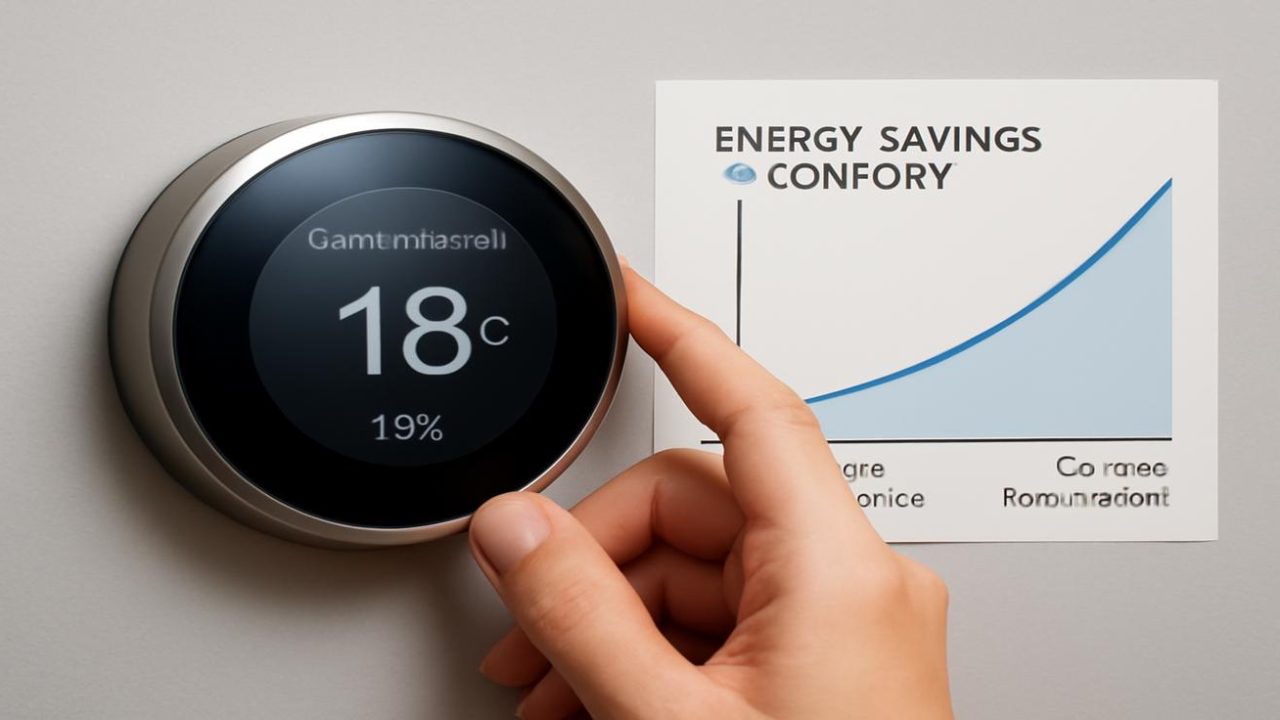
For decades, millions of households have dutifully kept their thermostats at 19°C, treating it as the gold standard for responsible heating. This temperature became a badge of honor during energy crises and climate campaigns—the “right” number that balanced comfort with environmental consciousness.
But health and building experts are now quietly shifting away from the 19°C rule. Their new recommendation? Most people should aim for around 21°C in their living spaces, particularly in rooms where they spend extended periods sitting or working.
The change reflects a growing understanding that one-size-fits-all temperature guidelines may have prioritized energy savings over human health and genuine comfort.

Why the 19°C Rule Became Gospel
The 19°C standard didn’t emerge from health research—it grew out of energy crises and environmental concerns. Governments, utilities, and climate campaigns promoted it as a simple, universal solution that anyone could remember and implement.
The appeal was obvious: one number for everyone, easy to promote and easier to follow. It became shorthand for being environmentally responsible, the kind of figure you’d quote when discussing rising energy bills or shrinking glaciers.
But this neat simplicity overlooked crucial realities. A drafty Victorian terrace operates as a completely different environment from a well-insulated modern apartment. An 82-year-old person has vastly different heating needs than a healthy 30-year-old marathon runner.

Anyone who has tried to maintain 19°C in a poorly insulated, damp home knows the reality: stiff hands at the keyboard, multiple layers of socks, shoulders unconsciously hunched against the cold. The number might look responsible on paper, but the lived experience often proves miserable.
The Health Case for 21°C
Health authorities in several countries now recognize that indoor temperatures below 18°C—especially for extended periods—can increase health risks. This is particularly true for older adults, babies, people with heart or lung conditions, and anyone who is underweight or unwell.
The 18°C to 21°C range is increasingly framed as the “safe zone,” with 21°C emerging as the optimal temperature for most people in most circumstances. This isn’t arbitrary—it’s the temperature where the human body can function efficiently without working overtime to stay warm.

At 21°C, your heart doesn’t need to race to push warm blood to your extremities. Your muscles aren’t constantly tensing to generate heat. You’re not burning through energy reserves just to maintain basic body functions while sitting at your desk.
The physiological impact of those extra two degrees is more significant than most people realize. In colder conditions, blood vessels in your skin narrow to conserve heat, which raises blood pressure. Your airways can become more reactive, and your immune system must juggle heat conservation with fighting off infections.
Over days and weeks, particularly during winter when viruses circulate more freely, this strain accumulates. The question shifts from “How low can you go?” to “What’s the minimum temperature that keeps you genuinely healthy, not just technically warm?”

Beyond the Thermostat: What Really Affects Indoor Comfort
Two homes both set to 21°C can feel completely different, highlighting that comfort involves more than the number on your thermostat. Understanding these factors can help you achieve genuine warmth more efficiently:
- Insulation quality: Poor insulation means your heating system works harder while you feel colder, especially near windows and exterior walls
- Humidity levels: Dry air feels colder than humid air at the same temperature, which is why winter heating often feels insufficient
- Air movement: Drafts can make a 21°C room feel like it’s several degrees colder
- Thermal mass: Older buildings with thick walls may take longer to heat but retain warmth better once heated
- Room usage: Bedrooms can be cooler than living spaces, but rooms where you sit still for hours need higher temperatures
| Room Type | Recommended Temperature | Reasoning |
|---|---|---|
| Living rooms | 21°C | Extended sitting requires higher temperature |
| Home offices | 21°C | Concentration and comfort during stationary work |
| Bedrooms | 18-19°C | Cooler temperatures promote better sleep |
| Bathrooms | 22-24°C | Higher temperature needed when clothing is removed |
Who Benefits Most from the Higher Temperature
While 21°C represents a healthier baseline for most people, certain groups see the greatest benefit from abandoning the 19°C rule:
Older adults face the highest risk from inadequate heating. Their bodies generate less heat naturally, and they’re more susceptible to cold-related health problems including increased blood pressure and respiratory issues.

People with chronic conditions such as arthritis, heart disease, or lung problems often find their symptoms worsen in colder environments. The extra warmth can reduce pain and improve overall comfort significantly.
Remote workers spending eight hours or more sitting at desks need the higher temperature to maintain concentration and avoid the muscle tension that comes with being slightly too cold.
Families with young children benefit because kids are more active but also more susceptible to temperature extremes than adults.

Making the Transition Without Breaking the Bank
The shift from 19°C to 21°C doesn’t have to mean dramatically higher energy bills. Smart heating strategies can help you achieve better comfort while managing costs:
Focus heating on the rooms you actually use. There’s no need to heat spare bedrooms or storage areas to 21°C. Use programmable thermostats to heat spaces only when occupied.
Address the basics first: seal drafts, improve insulation where possible, and ensure your heating system is running efficiently. These improvements make every degree of heating more effective.

Layer your approach by combining slightly higher thermostat settings with other warming strategies like appropriate clothing, warm beverages, and strategic use of throws or blankets during sedentary activities.
Consider the timing of your heating. It’s often more efficient to maintain a steady temperature than to let spaces get very cold and then reheat them.
Frequently Asked Questions
Is 21°C really that much better than 19°C for health?
Yes, those two degrees can significantly reduce the strain on your cardiovascular and immune systems, particularly during extended periods indoors.

Will heating to 21°C dramatically increase my energy bills?
The increase depends on your home’s insulation and heating system efficiency, but strategic heating of occupied spaces can minimize the cost impact.
Should every room in my house be 21°C?
No, bedrooms can be cooler (18-19°C) for better sleep, while bathrooms may need to be warmer (22-24°C) for comfort.
Does this advice apply to everyone?
The 21°C guideline works for most people, but individual needs vary based on age, health conditions, activity level, and personal preference.
What if I live in a poorly insulated home?
Focus on heating the rooms you use most and address drafts and insulation issues where possible, as these improvements make any temperature setting more effective.
Are there any downsides to keeping my home at 21°C?
The main considerations are energy costs and environmental impact, but many experts now view these as acceptable trade-offs for better health and comfort.










Leave a Comment