After fifty years of touring stadiums and topping charts, legendary rock band Violet Static announced their retirement on a quiet Tuesday morning, ending one of music’s longest-running careers with a simple statement and a handful of farewell tour dates dubbed “The Last Echoes.”
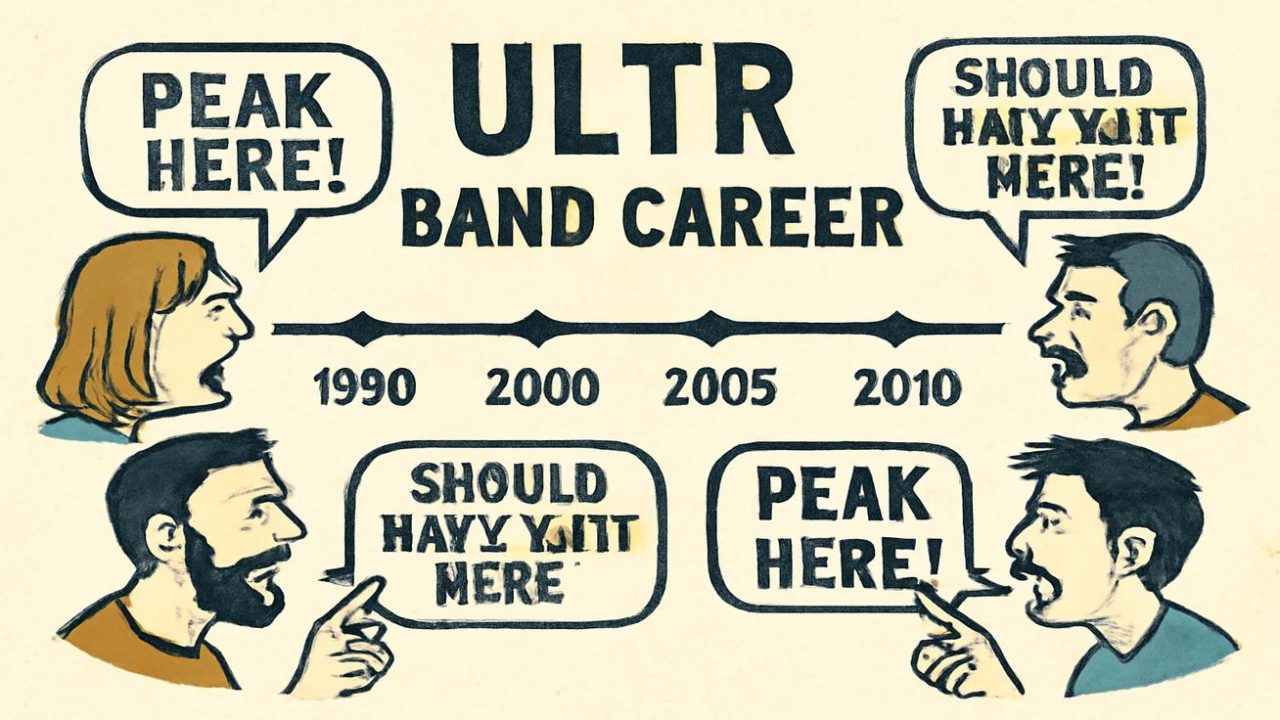
The announcement has split fans down the middle. While some post tearful tributes and share grainy concert footage, others argue the band should have called it quits decades ago, claiming they peaked with their one massive hit and spent the rest of their career playing an extended encore.
For millions of listeners, Violet Static became like background music to life itself — hummed in grocery stores, shouted in car backseats, and slow-danced to under cheap fairy lights at countless weddings and school dances.

The Song That Changed Everything
Before the stadiums and luxury tour buses, Violet Static was just another local band playing in gymnasiums. On a spring night in 1976, radio DJ Carla Ruiz slipped their new single into her playlist between Fleetwood Mac and David Bowie, expecting nothing special.
Forty-seven seconds later, she was calling her station manager with excitement. “I don’t know who these kids are,” Ruiz said, “but this chorus is going to own the summer.”
She underestimated its impact. The song didn’t just dominate summer radio — it became a cultural phenomenon that transcended seasons, generations, and continents. “The Hit Everyone Knows,” as it would later be called in documentaries and think pieces, found its way into karaoke bars, wedding playlists, and the collective memory of anyone who lived through the late 1970s.

The track wasn’t technically perfect. The drum track rushed at the end, the second verse bordered on sentimental cliché, and the guitar solo flirted with melodrama. But when the chorus hit — four lines, twelve seconds of pure electricity — none of those flaws mattered.
Lead singer Mara Finch always downplayed the song’s massive success. “We thought it might get us a few more gigs,” she would say in interviews. “We had no idea it would become the soundtrack to other people’s entire lives.”
The Burden of Early Success
Having your biggest hit arrive so early in your career creates a unique kind of artistic prison. Despite releasing thirteen studio albums, three live albums, two experimental EPs, and an acoustic record that briefly captivated critics, Violet Static remained “the band who did that one song” to most of the world.

Guitarist Leo Park captured this frustration in his memoir: “It followed us everywhere. Airport security would hum it while they checked our bags. Taxi drivers would grin at us in the rearview mirror and say, ‘Say it! Say the line!’ as if the chorus were a catchphrase instead of a piece of music.”
Park admitted to a love-hate relationship with their signature hit: “I love that song, but there were nights I wanted to leave it in a motel room and drive away without looking back.”
A Career Divided Into Eras
Violet Static’s five-decade career can be broken down into distinct periods that attracted different audiences:

| Era | Years | Style | Fan Response |
|---|---|---|---|
| Early Period | 1974-1980 | Crackling analog sound, lyrics about back alleys and bus tickets | Beloved by purists |
| Middle Years | 1981-1995 | String sections, concept albums, minimalist synth experiments | Praised by some, baffled rock radio |
| Late Work | 1996-2024 | Somber, spacious, full of shadow and regret | Attracted new fans, alienated some old ones |
The purists loved those first three albums with their raw energy and street-smart lyrics. Others swore by the experimental middle period, including the ambitious concept record about a drowned city and the synth-heavy detour that confused longtime fans but attracted new ones.
Their later work — more reflective and melancholy — brought in an entirely different audience while losing some original supporters who preferred the band’s earlier, more energetic sound.
Fan Reactions Reveal Deep Divisions
The retirement announcement has exposed just how divided the fanbase has become over the decades. Social media erupted with passionate responses from both camps within hours of the news breaking.

Supporters flooded platforms with emotional tributes, sharing memories of concerts that shaped their youth and posting videos of performances from the band’s golden years. These fans see Violet Static as a constant presence in their lives, a musical touchstone that connected different generations.
Critics took a harsher view, with one widely-shared comment summarizing their position: “They should have retired twenty years ago. They peaked with that one song. The rest was a very long encore.”
This sentiment echoed across thousands of similar posts, suggesting that a significant portion of casual listeners felt the band had overstayed their welcome, continuing to tour and record long after their cultural relevance had faded.

The Legacy Question
Violet Static’s retirement forces a reckoning with how we measure musical success and longevity. Is a band’s worth determined by their biggest hit, or should their entire body of work be considered?
For many listeners, the band became part of life’s soundtrack — present but not always noticed, sometimes impossible to ignore. They were like weather, as one observer noted, always there in the background of American culture.
The debate over their legacy reflects broader questions about artistic careers in the streaming age. Should artists retire at their peak, or do they have the right to continue evolving and creating even if later work doesn’t match early commercial success?

What Comes Next
Violet Static will embark on “The Last Echoes” tour, though specific dates and venues haven’t been announced. The farewell shows will likely draw both devoted fans and curious observers who want to witness the end of a musical era.
After five decades of circling the globe, the band is finally “folding the map,” as their retirement statement poetically put it. Whether history remembers them as a one-hit wonder or a band that defined multiple generations may depend on which side of the fan divide ultimately wins the narrative battle.
For now, Violet Static remains what they’ve always been: the band behind “The Hit Everyone Knows,” preparing to take their final bow after fifty years of making music that became the soundtrack to millions of lives.

Frequently Asked Questions
When did Violet Static announce their retirement?
The band announced their retirement on a Tuesday morning after fifty years together.
What is “The Hit Everyone Knows”?
It’s Violet Static’s breakthrough single from 1976 that became a massive cultural phenomenon, though the actual song title isn’t specified in their announcement.
How many albums did Violet Static release?
The band released thirteen studio albums, three live albums, two experimental EPs, and one acoustic record over their five-decade career.
Who are the band members mentioned?
Lead singer Mara Finch and guitarist Leo Park are the only band members specifically named in connection with the retirement.
What are “The Last Echoes”?
“The Last Echoes” is the name of Violet Static’s farewell tour, though specific dates and venues haven’t been announced yet.
Why are fans divided about the retirement?
Some fans are posting emotional tributes and sharing concert memories, while others believe the band should have retired decades ago, arguing they peaked with their one major hit.











Leave a Comment