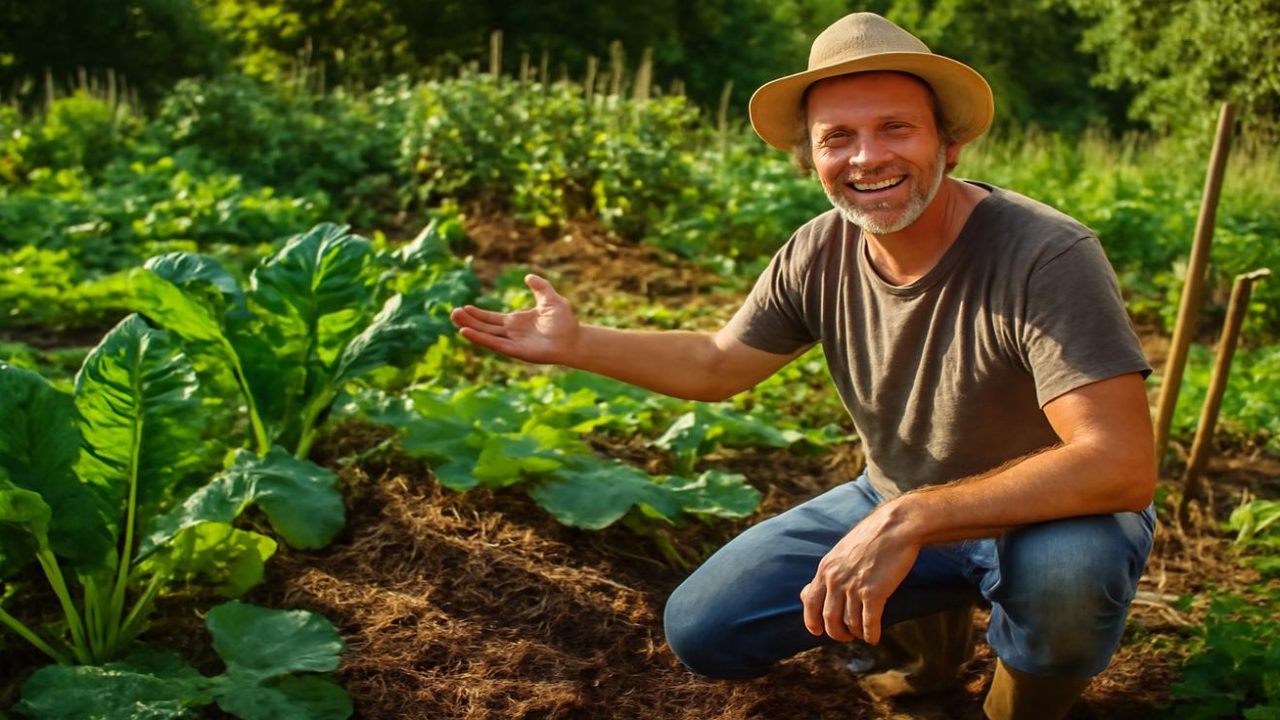
Traditional compost bins might be doing more harm than good for your garden—and a growing number of gardeners are discovering that ditching the bin entirely could be the key to healthier plants and richer soil.
The technique, known as direct composting or composting in place, involves burying kitchen scraps directly into garden soil rather than collecting them in a separate container. This method mimics how nature actually processes organic matter, eliminating many of the common problems that plague traditional composting systems.
For gardeners frustrated with smelly, fly-infested compost bins that never seem to break down properly, this approach offers a surprisingly simple alternative that puts nutrients exactly where plants need them most.

Why Traditional Compost Bins Often Fall Short
Most gardeners have experienced the familiar frustrations of bin composting: the sour smell that hits you when lifting the lid, clouds of fruit flies, and contents that either turn into a slimy mess or dry out completely.
The problem lies in trying to create the perfect balance of carbon and nitrogen, moisture and air circulation within a confined space. Even with careful attention to layering browns and greens, turning regularly, and monitoring moisture levels, compost bins frequently become either too wet and anaerobic or too dry and inactive.
When you finally need finished compost for planting season, you’re often left with half-rotted materials or a solid, matted mass that requires significant effort to sift and use.

Traditional composting also creates a disconnect between where organic matter decomposes and where plants actually grow. Nutrients break down in the bin, then must be transported and worked into garden beds—an extra step that nature never intended.
How Direct Composting Works in Your Garden
Direct composting eliminates the middleman by placing organic matter directly where plants can access it. The technique is remarkably simple: dig a small hole or trench in your garden bed, add kitchen scraps, cover with soil, and top with mulch.
This method works because it recreates the natural decomposition process that happens in forests and prairies. When leaves fall or plant roots die back, they’re gradually pulled into the soil by worms, fungi, and microorganisms—no bins required.

The process can be adapted to different garden situations:
- Trench method: Dig narrow trenches between plant rows and fill with scraps
- Spot composting: Create small holes near individual plants
- Layered mulching: Place scraps under thick mulch layers
- Seasonal preparation: Work scraps into beds during off-season periods
The key is keeping scraps covered with soil and mulch to prevent odors and pests while maintaining the right moisture and oxygen levels for decomposition.
The Practical Benefits You’ll Notice Immediately
Gardeners who switch to direct composting report several immediate improvements over traditional bin methods. The most obvious change is the elimination of unpleasant odors and fruit fly problems that plague enclosed compost systems.

The daily routine becomes simpler too. Instead of collecting scraps in a kitchen container, then transferring them to a bin that requires regular maintenance, you can take scraps directly to the garden and bury them in minutes.
| Traditional Composting | Direct Composting |
|---|---|
| Requires turning and monitoring | No maintenance needed |
| Often produces odors | No smell when properly covered |
| Attracts flies and pests | Buried scraps avoid pest issues |
| Takes 6-12 months for finished compost | Nutrients available to plants immediately |
| Requires sifting and transport | Decomposes exactly where needed |
Plants benefit from having nutrients released gradually right in their root zone, rather than receiving occasional applications of finished compost. This steady feeding often results in more vigorous growth and better soil structure over time.
What You Can and Cannot Compost Directly
Most kitchen scraps that would go into a traditional compost bin work well for direct composting, but some materials require extra consideration when burying them in active garden beds.

Safe materials for direct composting include vegetable peels, coffee grounds, tea bags, eggshells, fruit scraps, and small amounts of paper. These items break down quickly when in direct contact with soil organisms.
Items to avoid or use sparingly include meat, dairy, oils, and large amounts of citrus peels, which can attract pests or create imbalances when concentrated in planting areas. Cooked foods should also be avoided as they may contain salt or other additives harmful to plants.
The size of materials matters more in direct composting than in bins. Chopping scraps into smaller pieces speeds decomposition and prevents large chunks from creating air pockets or temporarily tying up nitrogen as they break down.

Timing also plays a role. Burying scraps during the growing season provides immediate benefits to active plants, while off-season composting allows materials to break down completely before spring planting.
Making the Transition from Bin to Direct Methods
Switching from traditional composting doesn’t require dramatic changes to your gardening routine. Start by identifying areas in your garden where direct composting would work best—between established plants, in future planting areas, or along garden borders.
Begin with small amounts of easily decomposed materials like coffee grounds and vegetable peels. Create shallow trenches or holes just a few inches deep, add scraps, cover completely with soil, and replace any mulch on top.

Make this part of your evening garden routine. Many gardeners find that taking kitchen scraps directly to the garden becomes a peaceful end-of-day ritual that connects them more closely with their growing space.
You can continue using your existing compost bin for materials that aren’t suitable for direct composting, or gradually phase it out as you become more comfortable with the new approach.
Monitor how your soil and plants respond over the first few months. Most gardeners notice improved soil texture and plant vigor within a single growing season.

Frequently Asked Questions
Will burying kitchen scraps attract animals to my garden?
Properly buried scraps covered with soil and mulch rarely attract pests, unlike exposed compost bins which often draw rodents and flies.
How deep should I bury kitchen scraps?
A few inches deep is sufficient for most materials, though the exact depth isn’t critical as long as scraps are completely covered with soil.
Can I use this method in container gardens?
Yes, small amounts of finely chopped scraps can be buried in large containers, though the technique works best in ground-level garden beds.
Will direct composting make my soil too acidic?
Most kitchen scraps are pH neutral and won’t significantly affect soil acidity when used in reasonable amounts and mixed with soil.
How long does it take for buried scraps to decompose?
Soft materials like vegetable peels break down within weeks, while harder items like eggshells may take several months to fully decompose.
Should I stop adding to my compost bin immediately?
You can transition gradually, using direct composting for suitable materials while continuing to bin compost items that aren’t appropriate for burying near plants.









Leave a Comment