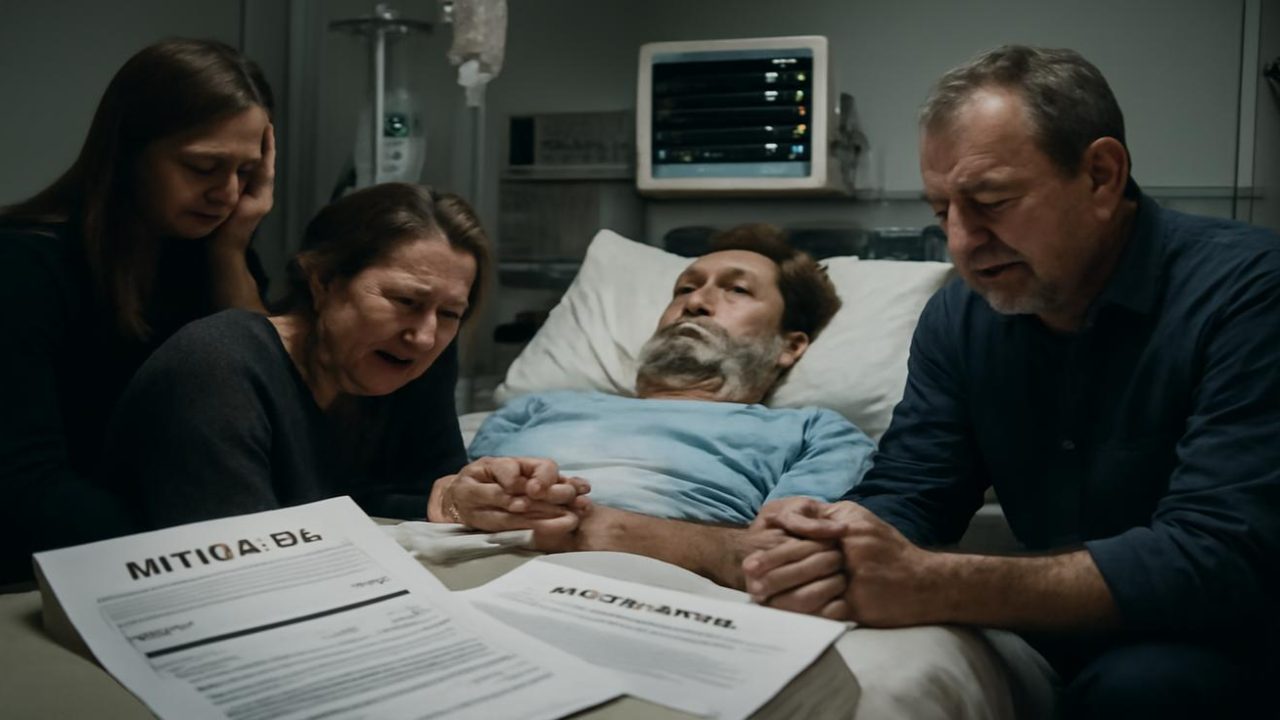
When families refuse to disconnect life support from brain-dead loved ones, the financial consequences can be devastating—with some cases resulting in millions of dollars in medical bills that insurance companies often refuse to cover as “futile care.”
The collision between medical science, family hope, and financial reality plays out in hospital rooms across the country, raising fundamental questions about bodily autonomy, the definition of death, and who ultimately decides when treatment should end.
These cases illuminate a gray area in modern medicine where the clinical definition of death doesn’t always align with what families see—or what they’re willing to accept.

When Medical Death Doesn’t Look Like Death
Brain death presents a unique challenge because it defies most people’s understanding of what death looks like. Unlike cardiac death, where breathing stops and the heart falls silent, brain death can appear deceptively like life.
A brain-dead patient maintains many characteristics that families associate with being alive. Their chest rises and falls with mechanical precision thanks to ventilators. Their skin stays warm from hospital blankets and the heat generated by machines. Their heart continues beating, sustained by medications and careful monitoring.
The disconnect becomes profound when medical scans reveal what families cannot see: a brain with no meaningful electrical activity, no blood flow, and no capacity for awareness or recovery.

Spinal reflexes and autonomic responses can create movements that families interpret as signs of consciousness. Eyes may flutter, fingers may seem to squeeze, and breathing patterns might appear to change in response to familiar voices.
Medical teams explain these responses as involuntary reactions that don’t indicate awareness, but for grieving families, these movements can fuel hope for recovery that medical science says is impossible.
The Legal Reality of Brain Death
In most states, brain death is legally equivalent to death. Once physicians complete standardized testing protocols and declare brain death, the person is considered deceased under the law, regardless of continued heart function or ventilator support.

This legal framework theoretically eliminates the need for family consent to discontinue life support, since what’s being supported is legally a body without a living person inside it.
However, the practical application often differs from the legal standard. Hospitals frequently hesitate to act swiftly on brain death declarations, influenced by several factors:
- Public relations concerns about appearing callous to grieving families
- Fear of potential lawsuits from families who dispute the diagnosis
- Staff moral distress from conflicts with families
- Religious accommodation requests
- Administrative complexity of navigating family disputes
This hesitation creates a window where families can pressure hospitals to continue treatment, even when medical and legal standards suggest it should end.

How Costs Accumulate in Intensive Care
Time in an intensive care unit doesn’t just pass—it accumulates into staggering financial obligations. The daily cost of ICU care includes multiple expensive components that quickly compound.
| ICU Cost Category | Daily Impact |
|---|---|
| Ventilator support | Continuous mechanical breathing assistance |
| Cardiac medications | Drugs to maintain heart function and blood pressure |
| 24-hour monitoring | Specialized nursing care and equipment |
| Diagnostic tests | Regular scans, blood work, and assessments |
| Facility overhead | ICU bed, utilities, and administrative costs |
The financial burden becomes particularly acute because insurance companies often classify continued care for brain-dead patients as “futile treatment”—medical intervention that cannot reasonably be expected to provide benefit.
When insurers deny coverage for futile care, families become responsible for the full cost of treatment. ICU expenses can range from thousands to tens of thousands of dollars per day, meaning even relatively short extensions of care can result in overwhelming debt.

The Insurance Battle Over Futile Care
Insurance coverage for brain-dead patients creates a complex battleground between medical necessity, family wishes, and cost containment. Most insurance policies include language about covering “medically necessary” treatment, but brain death cases challenge this standard.
From an insurance perspective, providing life support to someone who has been declared brain dead serves no medical purpose. The treatment cannot improve the patient’s condition, restore brain function, or provide any therapeutic benefit.
Families often argue that continued support serves important purposes beyond medical recovery—providing time to process grief, arrange for organ donation, or wait for what they believe could be miraculous recovery.

These disputes can drag on for weeks or months while families appeal insurance decisions, seek legal intervention, or negotiate payment arrangements with hospitals. During this time, the financial obligations continue growing.
Who Controls the Body After Brain Death
The fundamental question underlying these cases extends beyond medical or financial considerations to basic questions of autonomy and control. When someone is declared brain dead, competing claims emerge over who has authority to make decisions about the body.
Medical professionals argue that their clinical expertise and legal standards should determine treatment decisions. They contend that continuing futile care wastes resources, creates false hope, and prevents families from beginning the grieving process.

Families often assert that their emotional bonds, religious beliefs, and personal values give them the right to make decisions about their loved one’s body. They may reject medical definitions of death that conflict with their spiritual understanding or personal observations.
Hospitals find themselves caught between these competing claims, trying to balance medical standards, legal requirements, family wishes, and financial realities.
Some facilities have developed ethics committees and mediation processes to help navigate these conflicts, but the fundamental tension remains unresolved in many cases.

Frequently Asked Questions
What is brain death and how is it different from other types of death?
Brain death occurs when there is no meaningful brain activity, blood flow to the brain, or electrical patterns, even though machines can maintain heartbeat and breathing. Unlike cardiac death, the body can appear alive due to mechanical support.
Can someone recover from brain death?
Medical science indicates that recovery from properly diagnosed brain death is not possible, as the brain has no blood flow or electrical activity and cannot regenerate the necessary functions for consciousness or life.
Who is legally responsible for medical bills when families refuse to disconnect life support?
When insurance companies deny coverage for futile care, families typically become responsible for the full cost of continued treatment, which can reach millions of dollars.
Do hospitals have to keep brain-dead patients on life support if families request it?
Legal standards vary by state, but most jurisdictions consider brain death equivalent to death, meaning hospitals are not required to continue treatment regardless of family wishes.
How do insurance companies determine what constitutes “futile care”?
Insurance companies typically classify treatment as futile when it cannot reasonably be expected to provide medical benefit or improve the patient’s condition, which usually applies to care for brain-dead patients.
What options do families have if they disagree with a brain death diagnosis?
Families can request second opinions, seek legal counsel, appeal insurance decisions, or work with hospital ethics committees, though these processes can be lengthy and expensive.










Leave a Comment