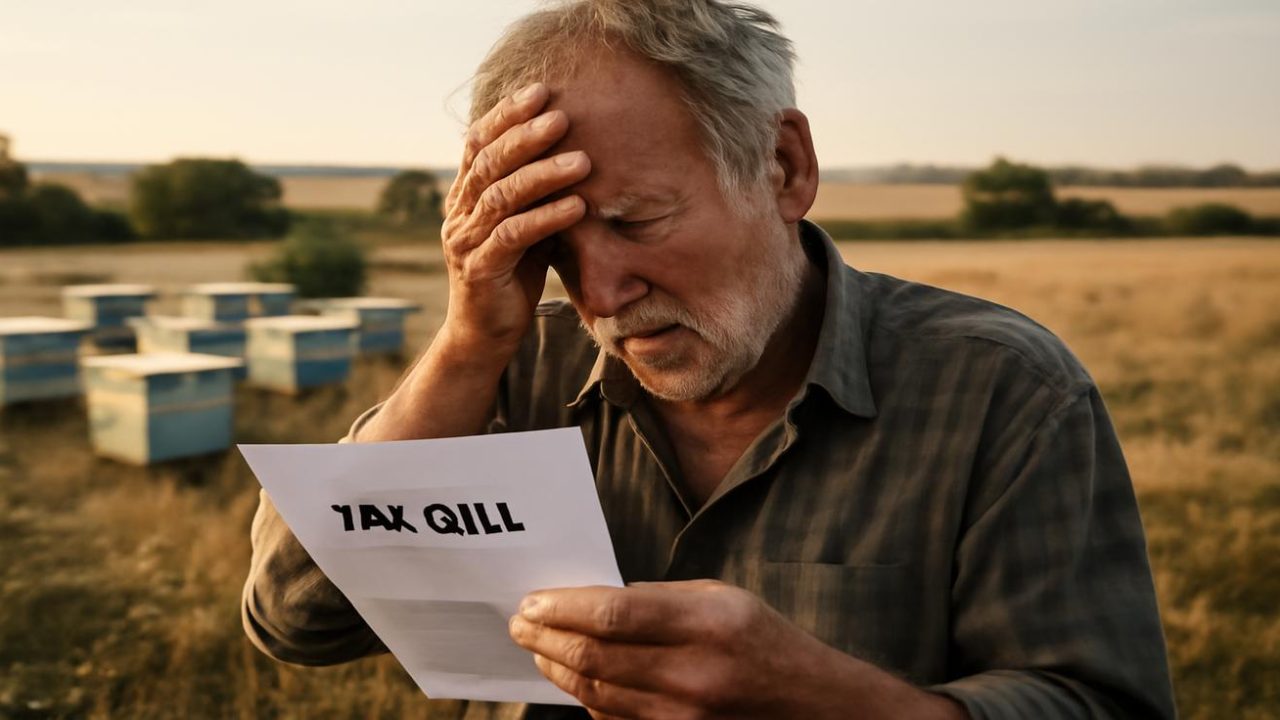
A simple act of neighborly kindness can sometimes spiral into an expensive nightmare that threatens your financial security. When one retiree agreed to let a beekeeper place “just some hives” on his five-acre property, he thought he was making a small, harmless gesture that would benefit the environment.
What started as an informal favor between acquaintances gradually transformed into something much larger and more complicated. The bees multiplied, the operation expanded, and what seemed like a win-win arrangement began generating unexpected consequences that no one had anticipated.
The story illustrates how even well-intentioned agreements can create legal and financial complications when the details aren’t clearly defined from the start.

When a Simple Favor Becomes Something More
Raymond, a newly retired homeowner, initially welcomed the arrangement when his acquaintance Eli asked to place bee hives on his rural property. The setup seemed straightforward: Eli would manage the bees, the land would benefit from increased pollination, and Raymond’s garden would thrive.
The first day felt almost celebratory. Eli arrived with white wooden boxes stacked in his pickup truck, explaining the roles of worker bees, drones, and queens as he set up the initial hives along the back fence. The five-acre lot, with its wildflowers, pasture grass, and old maple trees, provided ideal foraging conditions.
Raymond’s wife Marianne expressed early skepticism about the arrangement, warning that “nothing is ever ‘just’ anything.” Her concerns would prove prescient as the informal agreement gradually evolved beyond its original scope.

Throughout the summer, the bee operation steadily expanded. What began as a few hives grew to over twenty boxes as Eli repeatedly asked permission to add “a couple more” hives to take advantage of the excellent foraging conditions.
The Hidden Costs of Generosity
The expansion of the bee operation created unforeseen complications that extended far beyond the original handshake agreement. As the number of hives multiplied, so did the complexity of the arrangement and its potential legal implications.
Key issues that emerged from the expanding operation include:

- Lack of written agreements defining responsibilities and limits
- Unclear boundaries about the scale and duration of the beekeeping operation
- Potential tax implications for land use changes
- Liability concerns for activities conducted on the property
- Questions about property classification and agricultural use
The situation demonstrates how informal arrangements can gradually shift without either party fully recognizing the implications. What started as a neighborly favor began to resemble a commercial agricultural operation, complete with regular visits, equipment storage, and ongoing maintenance activities.
| Original Agreement | Actual Outcome |
|---|---|
| “Just some hives” | Over 20 hive boxes |
| Minimal visibility | Significant presence along property line |
| Simple favor | Ongoing commercial-style operation |
| No paperwork | Complex legal and tax questions |
When Property Use Changes Create Tax Problems
One of the most serious unintended consequences involves potential changes to property tax classification. When residential land begins hosting what appears to be agricultural or commercial activities, tax authorities may reassess how the property should be categorized and taxed.
Property owners can face unexpected tax bills when their land use changes, even if those changes weren’t intended to be permanent or commercial in nature. The distinction between helping a friend and operating an agricultural business can become blurred in the eyes of tax assessors.

Insurance complications represent another hidden risk. Homeowner’s insurance policies typically cover residential use, but may not provide adequate protection for commercial agricultural activities conducted on the property. This gap in coverage could leave property owners financially exposed if accidents or damage occur.
The lack of written agreements compounds these problems by making it difficult to establish the true nature and scope of the arrangement. Without clear documentation, property owners may struggle to demonstrate that they’re not operating a business or receiving commercial income from the land use.
The Moral Dilemma of Ending Beneficial Arrangements
Perhaps the most challenging aspect of these situations involves the emotional and ethical complexity of unwinding arrangements that have grown beyond their original scope. The bees do provide environmental benefits, supporting local pollination and ecosystem health.

Property owners may feel conflicted about ending arrangements that serve a greater good, even when those arrangements create personal financial risks. The knowledge that removing the bees could harm both the beekeeper’s livelihood and local environmental health adds moral weight to what might otherwise be a straightforward business decision.
The gradual nature of the expansion makes it particularly difficult to identify the exact point where a favor becomes a burden. Each individual request for additional hives may seem reasonable, but the cumulative effect can fundamentally change the character of the arrangement.
This dynamic illustrates why clear boundaries and written agreements matter even in relationships built on trust and mutual benefit. Without defined limits, well-intentioned arrangements can evolve in ways that create stress and resentment for all parties involved.

Protecting Yourself While Helping Others
The experience offers important lessons for anyone considering similar arrangements with friends, neighbors, or acquaintances. Generosity and legal protection don’t have to be mutually exclusive, but they do require careful planning and clear communication.
Essential steps for protecting yourself in such arrangements include establishing written agreements that specify the scope, duration, and limits of any land use arrangement. Even simple agreements can help prevent misunderstandings and provide legal clarity if disputes arise.
Consulting with insurance agents and tax professionals before agreeing to land use changes can help identify potential complications before they become expensive problems. Understanding how different activities might affect your property taxes and insurance coverage allows you to make informed decisions.

Regular review of ongoing arrangements ensures that they continue to serve everyone’s interests and haven’t evolved beyond their original scope. Setting specific time limits and renewal requirements can provide natural opportunities to reassess and adjust agreements as needed.
Frequently Asked Questions
Can allowing beehives on your property change your tax classification?
Yes, tax authorities may reassess residential property that hosts ongoing agricultural activities, potentially resulting in different tax treatment or unexpected bills.
Do you need written agreements for informal favors involving land use?
Written agreements help establish clear boundaries and expectations, protecting both parties even in friendly arrangements based on trust.

How can property owners protect themselves when helping others use their land?
Consult with insurance agents and tax professionals before agreeing to land use changes, and establish written agreements with specific limits and time frames.
What should you do if a small favor grows beyond its original scope?
Address the changes directly through honest communication, and consider formalizing the arrangement with updated agreements that reflect the current reality.
Can homeowner’s insurance cover agricultural activities on residential property?
Standard homeowner’s policies may not adequately cover commercial or agricultural activities, potentially leaving property owners exposed to liability risks.
How do you end a land use arrangement that has grown too large?
Approach the situation with clear communication about your concerns and constraints, offering reasonable time frames for transition while prioritizing your financial security.










Leave a Comment