
A simple neighborly favor—borrowing a car for a few hours—can spiral into a legal nightmare that destroys relationships and divides entire communities. What starts as an act of kindness between neighbors can quickly become a complex web of insurance claims, liability disputes, and fractured friendships when accidents happen.
The scenario plays out more often than most people realize: one neighbor lends their vehicle to another, something goes wrong, and suddenly everyone involved finds themselves navigating insurance policies, legal responsibilities, and damaged relationships that may never recover.
These situations reveal how quickly trust can transform into conflict when the stakes suddenly become much higher than anyone anticipated.

When Neighborly Trust Meets Legal Reality
The foundation of most car-lending arrangements between neighbors rests on informal agreements and assumed understandings rather than written contracts or clear legal frameworks. This casual approach works perfectly until it doesn’t.
Most people who lend their cars to neighbors operate under basic assumptions: the borrower has valid insurance, will drive responsibly, and will handle any minor issues that arise. The car owner typically assumes their own insurance will cover them, while the borrower often believes their policy extends to other vehicles.
These assumptions frequently prove incorrect when tested by real-world incidents. Insurance coverage for borrowed vehicles varies significantly between policies, and many drivers don’t fully understand what their coverage includes or excludes.

The legal landscape becomes even murkier when unpaid fines or administrative issues affect the vehicle’s status. Traffic violations, registration problems, or outstanding penalties can create additional layers of liability that neither party anticipated.
The Hidden Complications That Change Everything
Several factors can transform a simple car loan into a legal minefield, often without either party’s knowledge:
- Outstanding traffic violations: Unpaid fines or unresolved tickets can affect the vehicle’s legal status
- Insurance coverage gaps: Policies may not extend to other drivers or borrowed vehicle situations
- Registration issues: Expired tags or administrative problems can create additional liability
- Undisclosed vehicle problems: Mechanical issues or safety concerns the owner forgot to mention
- License status: Suspended or restricted licenses that affect coverage
The timing of when these issues surface often determines their impact. Problems discovered before an incident can usually be resolved quietly. The same issues discovered after an accident become central to insurance claims and legal proceedings.

| Risk Factor | Potential Consequence | Who’s Affected |
|---|---|---|
| Unpaid traffic fines | Vehicle impoundment, additional penalties | Both parties |
| Insurance gaps | Denied claims, personal liability | Both parties |
| Accident involvement | Lawsuits, damaged relationships | All involved parties |
| Administrative violations | Fines, legal complications | Vehicle owner primarily |
How Communities Split When Neighbors End Up in Court
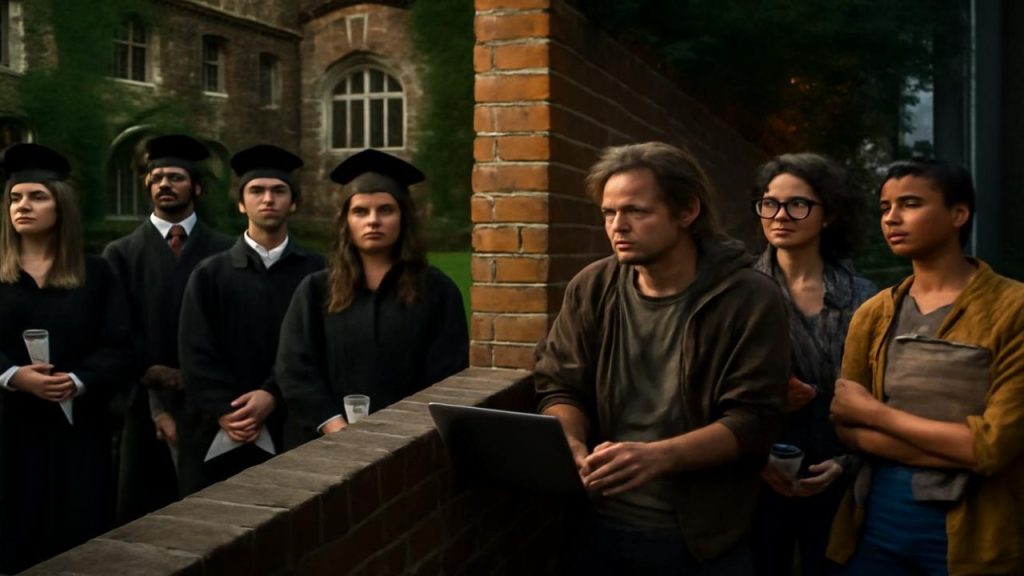
The social dynamics that emerge from these legal disputes often prove more destructive than the financial costs. Neighborhoods that once functioned as informal communities of mutual support can fracture along lines of loyalty and perceived fairness.
Friends and neighbors find themselves forced to choose sides, often based on incomplete information about what actually happened. Social media amplifies these divisions, with neighborhood groups and local forums becoming battlegrounds for competing narratives.
The ripple effects extend far beyond the immediate parties involved. Other neighbors become reluctant to offer or accept favors, fundamentally changing the character of community relationships. The simple act of helping a neighbor suddenly seems fraught with legal and financial risks.

Children caught between feuding families experience their own version of the conflict, losing friendships and facing awkward social situations they don’t fully understand.
These community divisions often persist long after legal matters are resolved, creating lasting changes to neighborhood dynamics and social connections.
What Happens When the Legal System Gets Involved
Once formal legal proceedings begin, the informal nature of most car-lending arrangements becomes a significant disadvantage for all parties involved. Courts must interpret intentions and agreements that were never clearly defined or documented.

Insurance companies typically conduct their own investigations, which may reach different conclusions than legal proceedings. This can result in situations where insurance covers some aspects of an incident but legal liability extends to other areas.
The discovery process in legal cases often reveals information that further complicates relationships. Details about insurance policies, driving records, and personal circumstances that neighbors never shared become part of public court records.
Legal costs can quickly exceed the value of the original incident, creating additional financial stress for families already dealing with the aftermath of accidents or other problems.

The timeline for resolving these cases often stretches months or years, during which neighborhood tensions remain high and relationships continue to deteriorate.
Protecting Yourself From Neighborly Legal Nightmares
While most car-lending arrangements between neighbors proceed without incident, several practical steps can reduce the risk of legal complications:
Before lending your vehicle, verify that your insurance policy covers other drivers and understand any limitations or exclusions. Contact your insurance agent directly rather than assuming coverage exists.

Ensure the borrower has a valid license and ask about their insurance coverage for borrowed vehicles. A brief conversation can reveal potential gaps before they become problems.
Document the condition of your vehicle before lending it, including mileage, fuel level, and any existing damage. Photos taken with smartphones can provide valuable evidence if disputes arise later.
Consider setting clear expectations about the purpose and duration of the loan. A simple text message confirming these details creates a basic record of the agreement.

Check that your vehicle registration and insurance are current, and resolve any outstanding traffic violations before lending to others.
For frequent car-sharing arrangements, consider more formal agreements that specify responsibilities and insurance requirements. This may seem excessive for neighborly favors, but it can prevent misunderstandings later.
Frequently Asked Questions
Does my car insurance cover other people driving my vehicle?
Coverage varies significantly between policies, so you need to check your specific policy terms or contact your insurance agent directly.
Who is liable if someone crashes my borrowed car?
Liability typically depends on insurance coverage, the circumstances of the accident, and local laws, making this a complex legal question without simple answers.
Can unpaid traffic tickets affect insurance coverage for borrowed vehicles?
Outstanding violations can potentially complicate insurance claims and create additional legal issues for vehicle owners.
Should I get written agreements for lending my car to neighbors?
While it may seem excessive for casual arrangements, written agreements can prevent misunderstandings and provide clarity if problems arise.
What happens to neighborhood relationships during these legal disputes?
Communities often split into opposing camps, with lasting damage to social connections and neighborhood dynamics that can persist long after legal matters are resolved.
How long do these legal cases typically take to resolve?
The timeline can stretch from months to years depending on the complexity of the case and the willingness of parties to reach settlements.










Leave a Comment