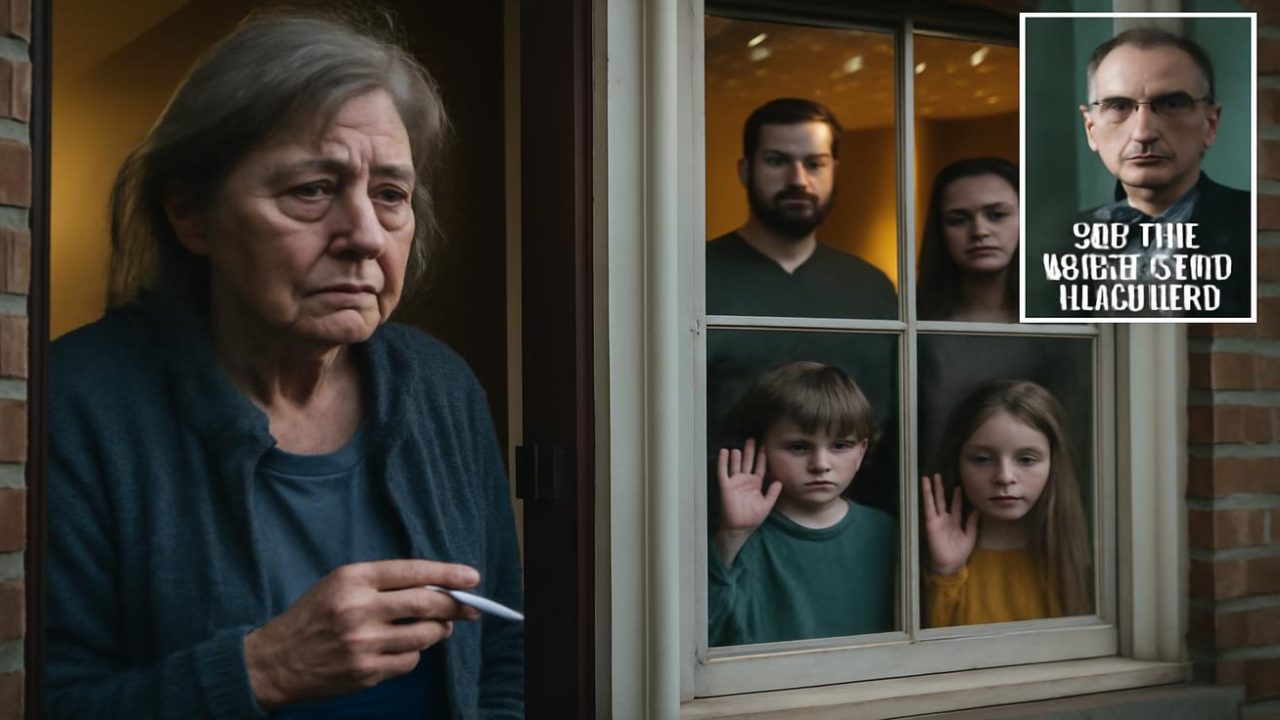
A growing number of families are facing an unprecedented dilemma: grandparents who smoke are being restricted from spending unsupervised time with their grandchildren due to health concerns about third-hand smoke exposure. The conflict is tearing families apart as parents cite scientific evidence while grandparents feel unfairly excluded from precious family moments.
The issue has moved beyond simple requests to avoid smoking around children. Parents are now implementing strict boundaries that prevent smoking grandparents from babysitting, hosting sleepovers, or even having grandchildren in their homes unsupervised.
What makes this family crisis particularly complex is the emergence of third-hand smoke as a recognized health threat, creating new standards that many older family members struggle to understand or accept.

The Science Behind Third-Hand Smoke Concerns
Third-hand smoke represents a relatively new frontier in tobacco-related health risks. Unlike second-hand smoke, which involves direct exposure to cigarette smoke in the air, third-hand smoke refers to the toxic residue that clings to surfaces long after smoking has stopped.
This residue doesn’t simply sit dormant on furniture, clothing, and car seats. Scientific studies have revealed that these lingering chemicals, including nicotine and carcinogenic particles, actively react with the environment over time, creating new toxic compounds that can be particularly harmful to children.
The concern is especially acute for young children, who spend more time close to surfaces, frequently put objects in their mouths, and have developing respiratory systems that are more vulnerable to toxic exposure.

Parents consulting with pediatricians are increasingly receiving advice to limit their children’s exposure to environments where smoking occurs regularly, even if no one smokes while the children are present.
How Families Are Drawing New Boundaries
The restrictions being implemented by concerned parents typically follow a similar pattern. Rather than complete estrangement, many families are establishing modified visitation arrangements that attempt to balance child safety concerns with maintaining family relationships.
Common boundaries include:

- Restricting visits to outdoor spaces like parks and gardens
- Eliminating overnight stays at grandparents’ homes
- Preventing unsupervised time between smoking grandparents and grandchildren
- Requiring grandparents to change clothes and wash hands thoroughly before contact
- Avoiding car rides in vehicles where smoking regularly occurs
These arrangements often feel like compromises to parents who want to protect their children while maintaining family connections. However, many grandparents experience these boundaries as harsh punishments that fundamentally alter their relationships with grandchildren.
The emotional toll extends beyond the immediate family members involved. Spouses of smoking grandparents, even if they don’t smoke themselves, sometimes find themselves caught in the middle of family conflicts they feel powerless to resolve.
The Generational Divide Over Smoking and Risk
The conflict reflects broader generational differences in understanding tobacco-related health risks and acceptable levels of exposure. Many grandparents grew up in an era when smoking was commonplace and the health risks were less well understood or publicized.

For older adults who have smoked for decades, the concept of third-hand smoke can feel like an unfair expansion of health concerns designed to further stigmatize their habit. The idea that their presence could be harmful to grandchildren, even when they’re not actively smoking, challenges their understanding of reasonable precautions.
Meanwhile, younger parents have access to more recent research about tobacco-related health risks and often approach child safety with what older generations might perceive as excessive caution. The abundance of health information available online can intensify parental anxiety about potential risks.
This generational gap is compounded by different attitudes toward addiction and smoking cessation. Younger adults may underestimate how difficult it can be for long-term smokers to quit, while older smokers may not fully appreciate the depth of their adult children’s health concerns.

The Emotional Cost of Family Smoking Boundaries
The implementation of smoking-related boundaries creates emotional consequences that extend far beyond the practical limitations on visits and activities. Grandparents often report feeling judged, excluded, and heartbroken by restrictions that prevent them from fulfilling traditional grandparent roles.
The loss of spontaneous visits, bedtime stories, and overnight adventures represents more than logistical inconvenience. These restrictions can fundamentally alter the grandparent-grandchild relationship during crucial bonding years.
Parents implementing these boundaries also experience emotional difficulty. Many report feeling torn between protecting their children’s health and maintaining family harmony. The decision to restrict grandparent access often comes after considerable internal debate and consultation with medical professionals.

Extended family members frequently find themselves taking sides in these disputes, creating broader family divisions that can persist long after the immediate smoking issue is resolved.
| Family Impact Area | Common Consequences |
|---|---|
| Grandparent-Grandchild Bonding | Reduced spontaneous interaction, limited overnight visits |
| Family Gatherings | Modified holiday arrangements, outdoor-only celebrations |
| Emergency Childcare | Elimination of grandparents as backup babysitters |
| Extended Family Relations | Tension between siblings, spouse conflicts |
Finding Middle Ground in Smoking Family Conflicts
Some families are discovering ways to navigate smoking-related boundaries without completely severing grandparent-grandchild relationships. These solutions often require creativity, patience, and compromise from all parties involved.
Successful approaches frequently involve grandparents taking concrete steps to minimize third-hand smoke exposure, even if they’re not ready to quit smoking entirely. This might include designating smoke-free spaces in their homes, using air purifiers, or maintaining separate “grandchildren clothes” that are kept away from smoking areas.

Other families establish gradual transition periods where grandparents work toward smoking cessation while maintaining modified contact with grandchildren. This approach acknowledges that quitting smoking is a process rather than an instant decision.
Communication strategies that focus on shared love for the grandchildren, rather than judgment about smoking habits, tend to produce more cooperative responses from all family members involved.
Professional family counselors increasingly report helping families navigate these specific conflicts, suggesting that the issue is becoming more widespread as awareness of third-hand smoke risks grows.

What Happens Next for Divided Families
The resolution of smoking-related family boundaries typically follows one of several paths. Some grandparents do successfully quit smoking, motivated by the desire to maintain unrestricted access to grandchildren. Others establish long-term modified relationships that accommodate health concerns while preserving family connections.
Unfortunately, some families experience permanent estrangement when compromise proves impossible. These outcomes often depend on the flexibility and communication skills of all parties involved, as well as the specific health concerns of the children in question.
The increasing awareness of third-hand smoke risks suggests that more families will likely face similar decisions in the future. As scientific understanding of tobacco-related health effects continues to evolve, the standards for acceptable exposure may continue to change.
Families dealing with these issues may benefit from involving neutral third parties, such as family counselors or medical professionals, who can help facilitate discussions focused on child welfare rather than personal judgment.
Frequently Asked Questions
What exactly is third-hand smoke and why is it dangerous?
Third-hand smoke is the toxic residue left on surfaces after smoking, including nicotine and carcinogenic particles that react with the environment to create new harmful compounds over time.
Is it reasonable for parents to restrict smoking grandparents from babysitting?
Many pediatricians now recommend limiting children’s exposure to environments where smoking occurs regularly, even when no active smoking happens during visits.
Can grandparents reduce third-hand smoke risks without quitting completely?
Some families find success with measures like designating smoke-free spaces, using air purifiers, and maintaining separate clothing for grandchildren visits.
How common are these family conflicts becoming?
Family counselors report increasing numbers of families seeking help to navigate smoking-related boundaries as awareness of third-hand smoke grows.
What if grandparents refuse to accept any smoking restrictions?
Some families experience permanent relationship changes when compromise isn’t possible, though professional mediation can sometimes help find middle ground.
Are there legal implications to these family smoking disputes?
While these are typically private family matters, smoking habits can potentially factor into custody decisions in divorce situations involving grandparent visitation rights.











Leave a Comment