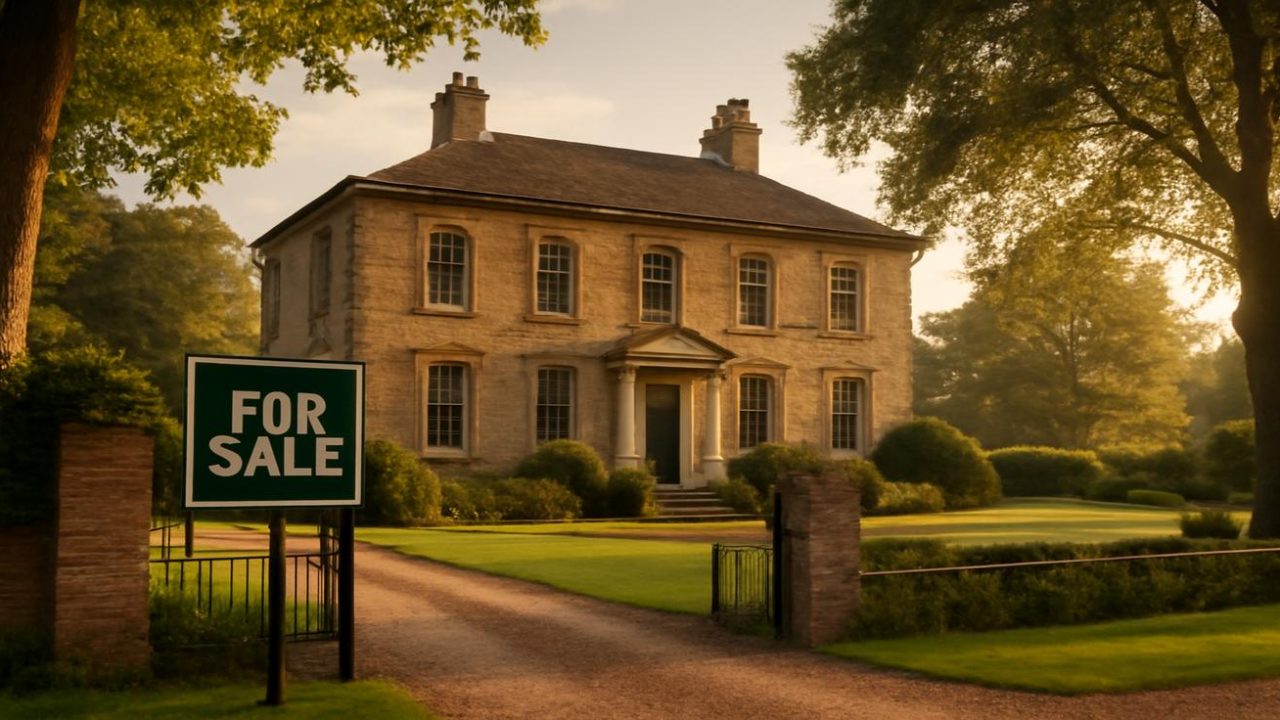
A Norfolk home with deep connections to Princess Diana’s family has quietly entered the property market for the first time in a generation. The house once belonged to Diana’s maternal grandmother, offering a rare glimpse into the more intimate side of royal family history.
Hidden down a narrow country lane between high hedgerows, the property embodies the understated elegance of rural Norfolk. Unlike grand estates with sweeping drives and imposing gates, this house reveals itself modestly through a simple gravel turning off a quiet country road.
The timing of this sale makes it particularly significant for royal history enthusiasts and property collectors alike, as homes with such direct connections to the Spencer family rarely become available to the public.

A House That Whispers Royal History
The property presents itself as a classic Norfolk home built from mellow brick and chalk, stretching long and low across the landscape. Its windows have watched over the East Anglian countryside for generations, while mature wisteria climbs the façade with the confidence that comes from decades of growth.
What makes this house extraordinary isn’t its grandeur but its intimacy. Diana’s maternal grandmother moved through these rooms carrying shopping bags and muddy boots, creating the kind of domestic memories that contrast sharply with the public’s image of royal life filled with cameras and formal ceremonies.
The property’s connection to Diana feels particularly poignant given her Norfolk upbringing. She spent her early years at nearby Park House before the family moved to Althorp, making this grandmother’s house part of the landscape that shaped her childhood.

Standing at the gate today, visitors can trace the house’s stories in weathered details: brick walls patched and repointed over decades, a front door arch softened by weather and careful maintenance, and the settled feeling that comes only with genuine age and continuous habitation.
The Norfolk Setting That Shaped a Princess
Norfolk’s distinctive character plays a crucial role in understanding this property’s significance. The county is renowned for its expansive skies that seem lifted higher than anywhere else in England, creating a sense of space and freedom that must have influenced Diana’s formative years.
From the house’s garden, the view encompasses the classic Norfolk landscape: a patchwork of reed beds and barley fields, sugar beet crops and wild margins stretching toward the horizon. This isn’t the manicured England of tourist postcards but an older, working countryside where tractors pause at field edges and neighbors chat over hedges.

The late afternoon light here turns thin and silvery before shifting to honey-gold, bathing the house in what observers describe as an almost theatrical glow. This same Norfolk air would have been a constant in Diana’s childhood, providing a countryside anchor less formal than great estates but more meaningful than official residences.
Walking the property’s perimeter at dusk reveals the timeless rhythms of rural life: wind rustling through old trees, blackbirds darting between branches, and the distant sounds of farm life continuing much as it has for generations.
Inside a Home Built for Living
Crossing the threshold reveals the subtle temperature and tone shifts that characterize genuinely old houses. The interior reflects decades of careful stewardship rather than dramatic renovation, maintaining the authentic character that makes such properties increasingly rare.

The house’s layout prioritizes comfort and functionality over ceremonial spaces, suggesting a family home designed for actual living rather than entertaining. This practical approach aligns with what we know about the Spencer family’s preference for maintaining relatively normal domestic routines despite their aristocratic status.
Key architectural features have been preserved through generations of ownership, creating layers of history that new owners can literally touch and experience. The property represents a tangible connection to Diana’s family history that goes beyond photographs or formal documentation.
Market Significance and Royal Property Trends
Properties with genuine royal connections rarely enter the open market, making this Norfolk house particularly significant for collectors and historians. The discrete nature of the sale reflects the family’s preference for privacy over publicity, even in property transactions.

Royal-connected properties typically attract interest from multiple buyer categories:
- International collectors seeking tangible pieces of British royal history
- Heritage preservation organizations focused on maintaining historical properties
- Private buyers attracted to the combination of history and Norfolk’s desirable location
- Investors recognizing the long-term value of properties with unique provenance
The Norfolk property market has shown resilience in recent years, with period homes in rural settings commanding premium prices. Properties with historical significance often outperform standard market metrics, particularly when they offer both heritage value and practical living space.
What This Sale Means for Royal History
The availability of Diana’s grandmother’s home represents more than a simple property transaction. It offers future owners the opportunity to become custodians of a space where one of Britain’s most beloved royal figures spent formative time during her childhood.

Unlike official royal residences that remain forever locked within institutional ownership, this house provides a rare chance for private ownership of genuine royal heritage. The property’s domestic scale makes it accessible in ways that palaces and great estates cannot be.
For royal historians and Diana enthusiasts, the house represents a physical connection to the more private aspects of her life. Here, away from the formal protocols of royal residences, Diana could experience the normal rhythms of family life that would later influence her approach to motherhood and public service.
The sale also highlights the ongoing evolution of how royal heritage is preserved and accessed. While formal royal properties remain in institutional hands, family homes like this one allow private individuals to participate directly in maintaining royal history.

The Future of a Royal Connection
As the property enters the market, questions arise about how its new owners will balance preservation with modernization. The house’s value lies not just in its royal connections but in its authentic character as a lived-in family home.
Norfolk’s planning regulations generally favor preservation of historic properties, particularly those with significant heritage value. Future owners will likely need to maintain the property’s essential character while adapting it for contemporary living needs.
The discrete nature of the sale suggests that interested parties are being carefully vetted, ensuring the property passes to owners who understand and respect its historical significance. This approach protects both the building’s heritage and the privacy that has always characterized this corner of royal family life.

Frequently Asked Questions
Where exactly is Princess Diana’s grandmother’s Norfolk house located?
The property is situated down a narrow country lane in Norfolk, accessible through a modest gravel turning off a quiet country road, though the exact address has not been publicly disclosed.
How long has the house been in the same ownership?
According to the available information, the house is coming to market for the first time in a generation, though specific ownership duration has not been confirmed.
What makes this property unique compared to other royal-connected homes?
Unlike grand estates or official royal residences, this house offers an intimate domestic setting where Diana’s grandmother lived a relatively normal family life, complete with everyday activities like carrying shopping bags and muddy boots.
What architectural style and features does the house display?
The property is built from mellow brick and chalk in a long, low design typical of Norfolk homes, featuring mature wisteria climbing the façade and windows that have overlooked the countryside for generations.
Is the asking price for the property publicly available?
The sale appears to be handled discretely, and no asking price has been mentioned in available information about the listing.
What is the surrounding Norfolk landscape like?
The property sits amid classic Norfolk countryside featuring reed beds, barley fields, sugar beet crops, and wild margins, with expansive skies that the county is famous for and views across working farmland.











Leave a Comment