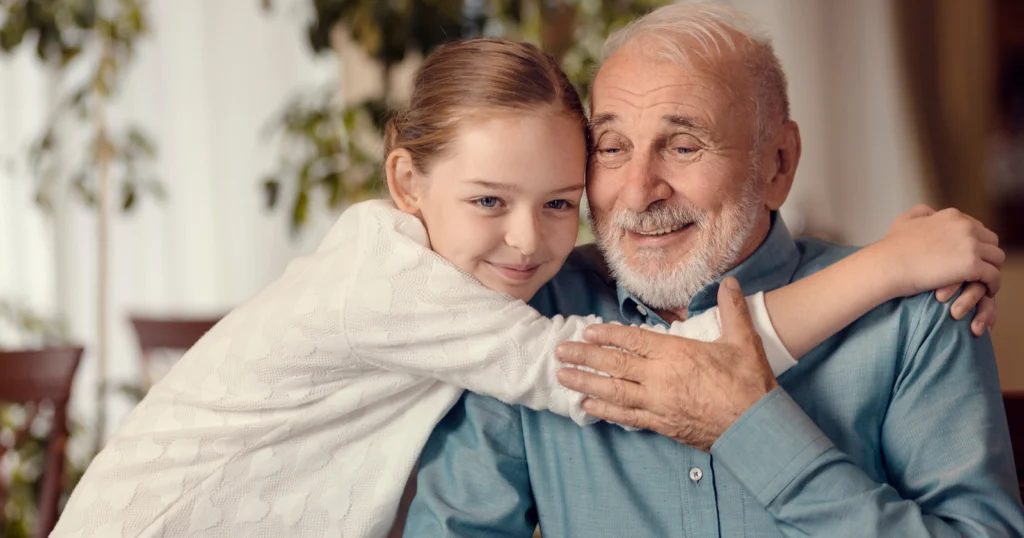
Psychology research reveals a surprising truth about grandparent-grandchild relationships: children don’t gravitate toward the grandparents with the biggest houses or the most expensive toys. Instead, they’re drawn to the ones who remember what they said three weeks ago and bring it up like it mattered.
This insight challenges common assumptions about what creates meaningful connections between generations. While some grandparents might focus on providing material comforts or impressive experiences, the research suggests that simple acts of remembering and validation carry far more weight in a child’s mind.
The difference lies in how these interactions make children feel about themselves and their place in the world.

Why Being Remembered Changes Everything for Children
When an adult remembers something a child said, even something small, they’re communicating a message that goes far deeper than the content of the conversation. They’re telling the child that what they say matters, what they think matters, and ultimately, that they matter as a person.
According to psychologist Jonice Webb, when children feel seen, understood, and heard, they develop into adults who feel like valid, knowable people. Conversely, when their emotional experiences are consistently overlooked or dismissed, they internalize the opposite message: that they aren’t worth paying attention to.
Consider what happens when a grandparent says something like, “Hey, how did that science project turn out? You were really worried about it last time.” That single sentence accomplishes more for a child’s sense of self than any expensive gift could achieve.

It demonstrates that someone was genuinely listening during their previous conversation. More importantly, it shows that someone carried their concern around in their mind even after the conversation ended, proving that they left a lasting impression on someone they love.
For children who are still forming their understanding of who they are in the world, this validation creates an enormous positive impact on their developing sense of self-worth.
The Science Behind Feeling Heard
This phenomenon extends beyond warm sentiment into measurable neurological responses. Research using functional MRI scans has found that perceiving active listening actually activates the brain’s reward system.

When people sensed that someone was genuinely paying attention to their experiences, they rated those experiences more positively afterward. The act of being listened to didn’t just feel good in the moment—it actually changed how people felt about the events being discussed.
If active listening produces such powerful effects on adult brains, the impact on a child’s developing sense of self becomes even more significant. When a grandparent recalls a detail from a previous conversation, they’re essentially activating that child’s internal reward circuitry while reinforcing the belief that their inner world deserves someone else’s attention.
This neurological validation forms the foundation of healthy self-worth that can last throughout a person’s life.

What Research Shows About Grandparent-Grandchild Relationships
Studies on grandparent-grandchild relational closeness demonstrate that the quality of these relationships produces measurable effects on children’s emotional development. Research published in the journal Children found significant associations between grandparent-grandchild closeness and positive outcomes for kids.
The study revealed that close relationships with grandparents were linked to lower odds of several concerning behaviors and symptoms in children:
- Reduced emotional symptoms and distress
- Fewer conduct problems and behavioral issues
- Decreased peer difficulties and social struggles
- Improved overall emotional regulation
However, the research indicates that closeness isn’t driven by proximity or frequency of visits alone. Instead, it’s determined by the quality of interactions and whether the child feels genuinely known by their grandparent.

The key factors that build this closeness include emotional safety in the relationship and the child’s trust that when they speak, their grandparent actually hears and processes what they’re saying.
| Relationship Quality Factor | Impact on Child Development |
|---|---|
| Active listening and remembering | Increased self-worth and confidence |
| Emotional validation | Better emotional regulation skills |
| Consistent attention to child’s interests | Stronger sense of being valued |
| Meaningful conversation follow-up | Enhanced trust in relationships |
The Real Difference Children Notice
Children possess remarkable perceptive abilities when it comes to distinguishing between genuine attention and superficial interaction. A grandparent with an impressive house might see their grandchildren just as frequently as others, but if those visits feel like obligations rather than genuine connections, children instinctively recognize the difference.
Kids can sense when someone is truly paying attention versus simply going through the motions of spending time together. This awareness shapes their preferences about where they want to visit and with whom they want to spend their time.

The grandparent who remembers that their grandchild was nervous about trying out for the school play, worried about a friendship conflict, or excited about learning to ride a bike without training wheels creates a completely different experience. These seemingly small acts of remembering communicate profound respect for the child’s inner life.
When grandparents bring up these remembered details in future conversations, they’re demonstrating that the child’s thoughts and feelings have staying power in their mind. This creates a sense of continuity and importance that material gifts simply cannot replicate.
Building Lasting Connections Through Validation
The research suggests that validation serves as the foundation for meaningful intergenerational relationships. This validation doesn’t require grand gestures or expensive investments—it emerges from consistent, attentive engagement with a child’s thoughts, feelings, and experiences.

Grandparents who excel at creating these connections typically share certain approaches to their interactions with grandchildren. They listen actively during conversations, ask follow-up questions that show genuine interest, and most importantly, they carry details from these conversations forward into future interactions.
This pattern creates a cumulative effect where children begin to understand that their relationship with this grandparent provides a safe space for sharing thoughts and feelings. Over time, this safety encourages deeper, more meaningful conversations that strengthen the bond between generations.
The psychological impact extends beyond the immediate relationship, helping children develop confidence in their ability to communicate effectively and trust that their thoughts and feelings matter to others.

Frequently Asked Questions
What specific behaviors help grandparents build stronger connections with grandchildren?
Research indicates that remembering previous conversations, asking follow-up questions about things children mentioned before, and showing genuine interest in their thoughts and feelings create the strongest bonds.
Do expensive gifts or large houses have any positive impact on grandparent-grandchild relationships?
While material comforts might create temporary excitement, the research shows that children value emotional validation and feeling remembered far more than physical possessions or impressive environments.
How does feeling heard by grandparents affect children’s brain development?
Studies using functional MRI scans show that perceived active listening activates the brain’s reward system, and this effect appears even stronger in developing minds, helping build foundational self-worth.
What are the long-term benefits for children who have close relationships with grandparents?
Research published in the journal Children found that close grandparent-grandchild relationships are associated with fewer emotional symptoms, conduct problems, and peer difficulties in children.
Can grandparents who live far away still build these meaningful connections?
The research emphasizes quality of interaction over frequency or proximity, suggesting that grandparents can create meaningful connections through any form of communication that demonstrates active listening and remembering.
At what age do children start noticing whether adults truly listen to them?
While the research doesn’t specify exact ages, psychologists note that children develop the ability to distinguish between genuine attention and superficial interaction relatively early in their development.











Leave a Comment