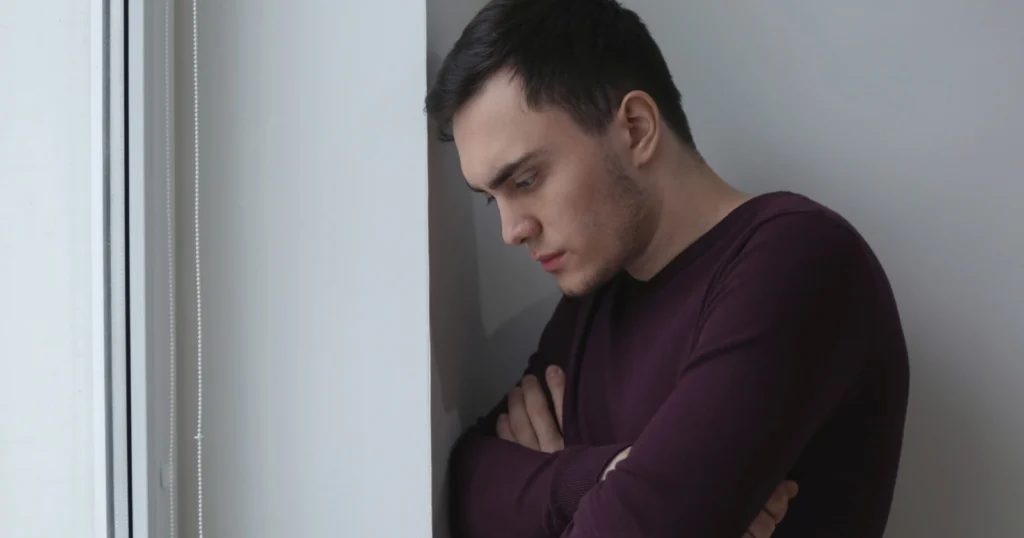
Charles Bukowski once posed a question that cuts straight to the heart of modern existence: “And when nobody wakes you up in the morning, and when nobody waits for you at night, and when you can do whatever you want, what do you call it, freedom or loneliness?”
This haunting observation from the legendary writer captures a paradox that millions of people face, particularly as they navigate major life transitions like retirement, divorce, or career changes. The line between liberation and isolation can be razor-thin, and sometimes even the person living it can’t tell which side they’re on.
The question becomes especially relevant as society grapples with rising rates of loneliness and social disconnection, even as we enjoy unprecedented personal freedom and autonomy.

The Retirement Reality That Nobody Talks About
For many people, the answer to Bukowski’s question seems obvious at first glance. Complete autonomy over your time sounds like the ultimate prize after decades of alarm clocks, commutes, and corporate meetings.
But the reality often proves more complex. The initial honeymoon period of sleeping in and having an open calendar can give way to something heavier. The silence that once felt peaceful begins to feel oppressive. The phone that used to buzz constantly with work demands goes quiet.
This transition reveals something crucial about human nature: we need structure and connection as much as we need freedom. Without the natural rhythms that work provides, many people find themselves adrift, struggling to fill days that stretch endlessly ahead.

The psychological impact can be profound. Some retirees experience what researchers call “retirement syndrome” – a period of depression and disorientation as they adjust to their new reality. What looked like freedom from the outside feels like abandonment from within.
When Social Circles Quietly Disappear
One of the most surprising aspects of major life changes is how quickly relationships can fade. Colleagues who seemed like genuine friends often drift away once the shared routine of the workplace disappears.
This isn’t necessarily due to any conflict or falling out. Instead, it reveals something important about how adult friendships work: they require intentional effort and shared context to survive. Without the natural touchpoints that work provides, maintaining these connections becomes much more challenging.

The phenomenon extends beyond retirement. Anyone going through significant life changes – a move to a new city, kids leaving home, a divorce, job loss – can suddenly find themselves standing in the middle of newfound freedom that feels suspiciously like being alone.
| Life Transition | Common Experience | Freedom or Loneliness? |
|---|---|---|
| Retirement | Loss of work structure and colleagues | Often both simultaneously |
| Empty nest | Sudden quiet in previously busy home | Depends on relationship with partner |
| Divorce | Complete autonomy over decisions | Can shift daily between both |
| Job loss | Open schedule, financial stress | Usually loneliness masked as freedom |
The Difference Between Chosen and Imposed Solitude
Bukowski’s insight touches on a fundamental distinction that psychologists have long recognized: there’s a vast difference between choosing solitude and having it imposed by circumstances.
When you decide to spend a Saturday afternoon alone with a good book, that’s restorative solitude. When every Saturday afternoon is alone because your social circle has evaporated, that’s isolation wearing the mask of independence.

The key factor is agency. Freedom requires the ability to choose connection when you want it. If solitude is your only option, it stops being freedom and becomes a prison with invisible bars.
This explains why some people thrive in retirement while others struggle. Those who maintain the ability to engage socially when they choose to experience their autonomy as liberating. Those who find themselves cut off from meaningful connection may have all the time in the world but feel trapped by their circumstances.
What Tips the Balance From Loneliness to Freedom
The line between freedom and loneliness isn’t fixed. The same circumstances can feel like liberation one day and isolation the next, depending on several key factors.

Purpose plays a crucial role. Having something meaningful to do with your time – whether it’s a hobby, volunteer work, or personal project – can transform empty hours from a burden into a gift. Without purpose, unlimited time becomes a weight rather than a privilege.
Connection matters equally. This doesn’t necessarily mean constant social interaction, but rather the knowledge that meaningful relationships exist and can be activated when desired. It’s the difference between being alone by choice and being alone by circumstance.
Structure, even self-imposed, helps many people navigate the transition successfully. Creating routines and commitments provides the framework that work once offered, giving shape to otherwise formless days.

Physical health significantly impacts how freedom feels. When you’re dealing with health issues, the ability to “do whatever you want” becomes severely limited, often tipping the experience toward loneliness rather than liberation.
Finding Your Own Answer to Bukowski’s Question
The genius of Bukowski’s observation lies not in providing an answer, but in forcing us to examine our own experience honestly. The same external circumstances – waking up alone, spending evenings alone, having complete autonomy – can represent either profound freedom or crushing loneliness.
The difference often comes down to whether you feel connected to something larger than yourself, whether you have purpose that motivates you, and whether you maintain the ability to choose connection when you want it.

For those facing major life transitions, the question serves as a diagnostic tool. If your newfound autonomy feels more like abandonment than liberation, it may be time to actively rebuild structure, purpose, and connection rather than waiting for them to appear naturally.
The beauty of recognizing this paradox is that it empowers you to influence which side of the equation you land on. Freedom and loneliness may look identical from the outside, but from the inside, you have more control over the experience than you might think.
Frequently Asked Questions
What did Charles Bukowski mean by this quote about freedom and loneliness?
Bukowski was highlighting the paradox that complete autonomy can feel either liberating or isolating, depending on your perspective and circumstances.

Why do some retirees struggle with depression after leaving work?
The sudden loss of structure, purpose, and daily social connections can make retirement feel more like abandonment than freedom, leading to what some call “retirement syndrome.”
How can you tell if you’re experiencing freedom or loneliness?
The key difference is choice – freedom means you can choose connection when you want it, while loneliness means solitude is your only option.
Why do work friendships often fade after retirement?
Adult friendships require intentional effort and shared context to survive; without the natural touchpoints of work, maintaining these relationships becomes much more challenging.
What helps people transition successfully to more autonomous life phases?
Maintaining purpose, creating self-imposed structure, preserving the ability to connect socially, and staying physically healthy all help tip the balance toward freedom rather than loneliness.
Is it normal to feel both free and lonely at the same time?
Yes, this is common during major life transitions – the same circumstances can feel liberating one day and isolating the next as you adjust to your new reality.










Leave a Comment