
The inability to relax on a quiet Sunday afternoon isn’t a character flaw or lack of discipline — it’s a nervous system that learned to associate stillness with danger. Cognitive scientists now understand that for some people, the absence of stimulation doesn’t register as rest but as a threat signal.
This revelation challenges everything we’ve been told about relaxation and self-care. The conventional advice of putting your phone down, trying yoga, or taking a bath addresses what researchers describe as a “software issue when the problem is hardware.”
For people who grew up in unpredictable environments, their nervous systems process quiet moments differently than textbooks suggest they should.

When Calm Becomes a Warning Signal
Research suggests that early relational environments shape how our brains interpret stillness. When childhood experiences are volatile or emotionally unpredictable, the nervous system learns to treat calm as a cue for incoming disruption.
The pattern develops through repeated exposure: silence before a raised voice, quiet hours before doors slam, or peaceful moments before a parent’s mood shifts without warning. Over time, the brain stops distinguishing between “nothing is happening” and “something terrible is about to happen.”
This adaptation makes perfect biological sense for a child who needs to anticipate danger. But it creates problems for adults whose bodies continue running the same protective program decades later.

People experiencing this phenomenon often mistake their hypervigilance for productivity or ambition. They can handle chaos, deadlines, and confrontation with ease, but a free afternoon triggers chest tightness and an urgent need to find something — anything — to do.
How Your Nervous System Misreads Safety
The autonomic nervous system operates on pattern recognition rather than rational analysis. It doesn’t evaluate current circumstances but references stored experiences from the past.
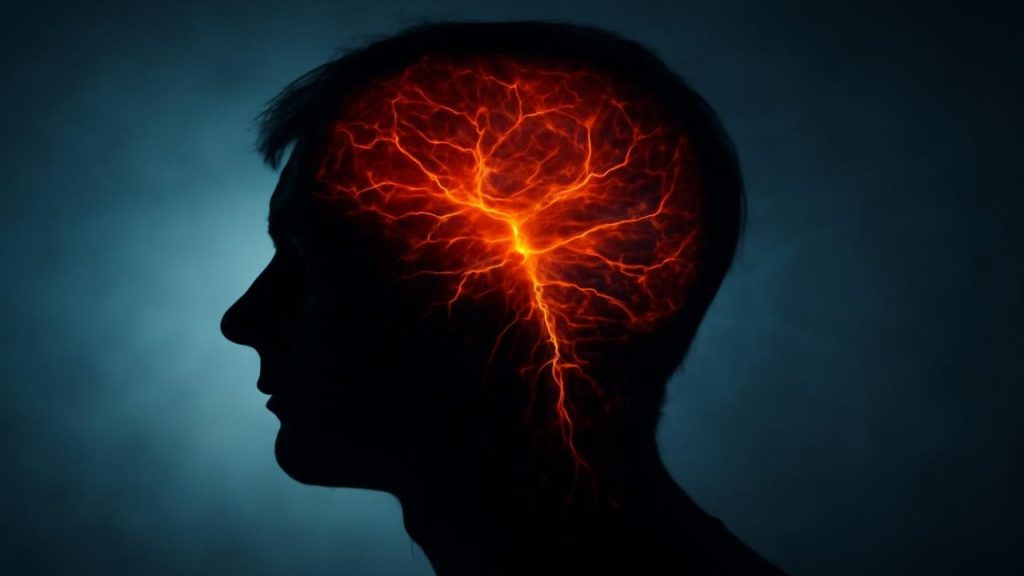
When nervous system dysregulation takes root, studies indicate the sympathetic branch — your fight-or-flight system — can stay activated even without objective threats. Your body doesn’t know what year it is or that you’re safe now.

| Normal Response to Stillness | Dysregulated Response to Stillness |
|---|---|
| Relaxation and rest | Hypervigilance and anxiety |
| Decreased heart rate | Increased heart rate |
| Calm mental state | Racing thoughts |
| Physical comfort | Chest tightness, restlessness |
The program running in the background says silence equals danger and calm equals the breath before impact. This internal alarm system doesn’t respond to meditation apps or breathing exercises because it’s operating from a deeper neurological level.
The Hidden Cost of Childhood Unpredictability
This kind of nervous system dysregulation often masquerades as positive traits. People who can’t stop moving get praised for their work ethic, drive, and conscientiousness. Society rewards the inability to rest, calling it productivity.
The praise reinforces the pattern because it provides an acceptable explanation for internal discomfort. Instead of recognizing a trauma response, people embrace the identity of being “highly motivated” or “always busy.”

But the body keeps its own calendar, remembering not just what happened but what happened next. As one family therapist explains the phenomenon: if stillness was frequently followed by disruption, the nervous system learns to treat quiet as a warning rather than a gift.
This creates a exhausting cycle where rest feels dangerous and constant motion feels necessary for survival, even when survival isn’t actually at stake.
Why Traditional Relaxation Advice Falls Short
Standard relaxation techniques often fail for people with this type of nervous system conditioning because they don’t address the underlying threat detection system. Telling someone to “just relax” when their body is screaming danger signals is like telling someone to ignore a fire alarm.

The advice isn’t wrong, but it’s incomplete. It assumes everyone’s nervous system processes stillness as safety, which isn’t true for people whose early experiences taught them otherwise.
Effective approaches need to acknowledge that some nervous systems require different strategies:
- Gradual exposure to stillness rather than forced relaxation
- Movement-based practices that honor the body’s need for activity
- Nervous system regulation techniques that address the biological level
- Professional support to rewire threat detection patterns
Recognizing the Signs in Your Own Life
People with this pattern often excel in high-stress situations but struggle when life gets quiet. They might feel most comfortable during busy periods at work, crisis situations, or when managing multiple responsibilities simultaneously.

Common experiences include feeling anxious on weekends, struggling with vacations, creating unnecessary tasks during downtime, or feeling guilty when not being productive. The body has learned that stillness preceded chaos, so it maintains constant readiness for the next crisis.
Understanding this pattern as a nervous system response rather than a personality flaw can be the first step toward healing. It shifts the focus from willpower to nervous system regulation, from self-criticism to self-compassion.
The goal isn’t to force relaxation but to slowly teach the nervous system that stillness can be safe. This process takes time and often benefits from professional support, but recognizing the pattern is crucial for anyone who has ever wondered why they can handle anything except doing nothing.

Frequently Asked Questions
Is this the same as anxiety or ADHD?
While it can overlap with these conditions, nervous system dysregulation from early unpredictability is specifically about learned responses to stillness and calm, not general anxiety or attention issues.
Can this pattern be changed?
Yes, the nervous system can learn new responses through consistent practice and often professional support, though it requires patience and specific techniques that address the biological level.
Why do some people from difficult backgrounds not experience this?
Individual responses to early experiences vary based on many factors including genetics, specific types of unpredictability, and protective relationships that may have provided safety.

Does this mean I can never learn to relax?
Not at all, but it means traditional relaxation advice may not work and you may need approaches specifically designed for nervous systems that learned to associate stillness with threat.
How do I know if this applies to me?
Key signs include handling stress well but struggling with free time, feeling anxious during quiet moments, and having grown up in an environment where calm often preceded conflict or disruption.
Should I see a professional about this?
If this pattern significantly impacts your quality of life or relationships, working with a therapist trained in nervous system regulation can be very helpful for developing new responses to stillness.









Leave a Comment