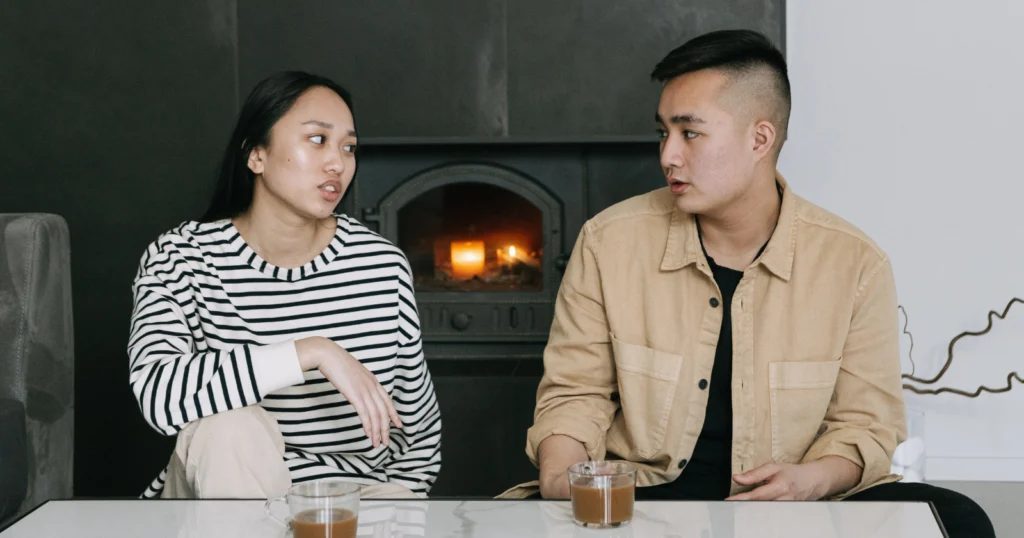
Most people believe that love and commitment in marriage must go hand in hand, but a growing number of couples are discovering something that challenges this fundamental assumption. They’re staying in marriages they know aren’t perfect, building functional lives together, and developing a unique form of emotional resilience that has nothing to do with passion.
This isn’t about settling or giving up on happiness. It’s about recognizing that commitment can operate independently of romantic love—and that this separation creates its own form of strength that most people simply can’t understand.
The concept challenges everything we’ve been taught about relationships, yet for those living it, the reality is both complex and surprisingly rewarding.

When Commitment Becomes Its Own Entity
The traditional narrative tells us that staying in a marriage without passionate love is either martyrdom or cowardice. But what if it’s neither? What if choosing to stay represents a different kind of courage entirely?
People who make this choice discover that love might be the spark, but commitment functions as the engine—and that engine can run even when the spark dims to barely a flicker. This realization often comes during life’s most challenging moments, when romantic feelings take a backseat to the promises made years earlier.
When serious illness strikes, financial hardship hits, or other major life challenges arise, some couples find themselves staying not because of overwhelming love, but because a promise made decades ago has become its own living entity, separate from whatever romantic feelings ebb and flow through the years.

This separation between love and commitment creates something most people struggle to comprehend. Society expects these two forces to be inseparable, making it difficult for others to understand how a marriage can function—and even thrive—when they operate independently.
The Unique Resilience That Develops
Couples who consciously choose to stay in imperfect marriages develop a peculiar form of emotional armor. They stop expecting their partner to complete them and quit waiting for happiness to arrive from outside themselves.
Instead, they learn to generate their own contentment and find joy in small, consistent routines. These might not be romantic gestures—conversations about bills, discussions about which child needs help, or decisions about home repairs—but they become chosen rituals that create stability and warmth.

This resilience comes from recognizing that a functional partnership has its own inherent value, even when it doesn’t match what movies and romance novels portray. The strength these individuals develop is fundamentally different from those who only stay when feelings are strong.
| Traditional Love-Based Marriage | Commitment-Based Marriage |
|---|---|
| Stays when it feels good | Stays when it’s difficult |
| Expects partner to provide happiness | Generates own contentment |
| Focuses on romantic gestures | Values functional routines |
| Depends on emotional highs | Builds on consistent choice |
The Daily Cost of Choosing
Every morning, people in commitment-based marriages wake up and make a choice that costs them something real. It costs them the fantasy of finding perfect love elsewhere, the excitement of new beginnings, and the story they once told themselves about how life should look.
But this cost creates its own unexpected reward. When someone chooses something difficult day after day, they build a kind of strength that people who’ve only stayed for love never develop.

The question becomes: If you only stay when it feels good, what have you really proven? But if you stay when it’s hard, when it’s boring, when you’d rather be anywhere else, and you still find ways to create warmth and stability—that represents a completely different achievement.
This daily choosing, despite the cost, becomes a source of quiet pride and self-respect that many find more sustainable than the ups and downs of passion-driven relationships.
Building Value Beyond Passion
These marriages demonstrate that a life can be built on something less than passion and still have genuine value and warmth. The key lies in understanding that this choice must be made consciously and repeatedly, not by default or out of fear.

The warmth in these relationships doesn’t come from butterflies or romantic gestures. Instead, it emerges from shared responsibility, mutual respect, and the security that comes from knowing someone will show up regardless of how they feel on any given day.
This approach requires both partners to find fulfillment and meaning within themselves rather than expecting their spouse to provide it. It’s a more mature model of partnership that prioritizes stability, functionality, and chosen commitment over emotional intensity.
The result is often a relationship that weathers storms better than passion-based marriages because it’s built on decision rather than feeling—and decisions can be renewed daily even when feelings fluctuate.

What Most People Miss
The biggest misunderstanding about commitment-based marriages is that they lack warmth or happiness. In reality, they often contain both, just sourced differently than traditional romantic relationships.
The warmth comes from reliability, shared purpose, and the deep satisfaction of honoring long-term commitments. The happiness emerges from building something together over time, creating stability for children, and developing unshakeable trust in each other’s character.
People living this reality understand that marriage doesn’t always have to be about finding your soulmate or experiencing constant emotional connection. Sometimes it’s about two people deciding to build a good life together, support each other through difficulties, and create something valuable that extends beyond their individual desires.

This perspective challenges the modern obsession with personal fulfillment above all else, suggesting instead that fulfillment can come from commitment itself—from the act of choosing someone and something larger than immediate gratification.
Frequently Asked Questions
Is staying in a marriage without passionate love considered settling?
Not necessarily—it depends on whether the choice is made consciously and with purpose, or simply out of fear or default.
Can commitment-based marriages still be happy?
Yes, but the happiness comes from different sources—stability, shared purpose, and the satisfaction of honoring long-term commitments rather than romantic passion.

How do people in these marriages handle the lack of romantic love?
They learn to generate their own contentment and find meaning in functional partnership rather than expecting their spouse to provide emotional fulfillment.
What kind of resilience do these couples develop?
They develop emotional armor that comes from choosing difficult things daily, building strength that differs from those who only stay when feelings are strong.
Do these marriages work better during crises?
Often yes, because they’re built on decision-making rather than feelings, making them more stable when emotions run high during difficult times.
Is this approach healthier than traditional romantic marriage?
It’s different rather than better or worse—it prioritizes stability and commitment over emotional intensity, which some people find more sustainable long-term.











Leave a Comment