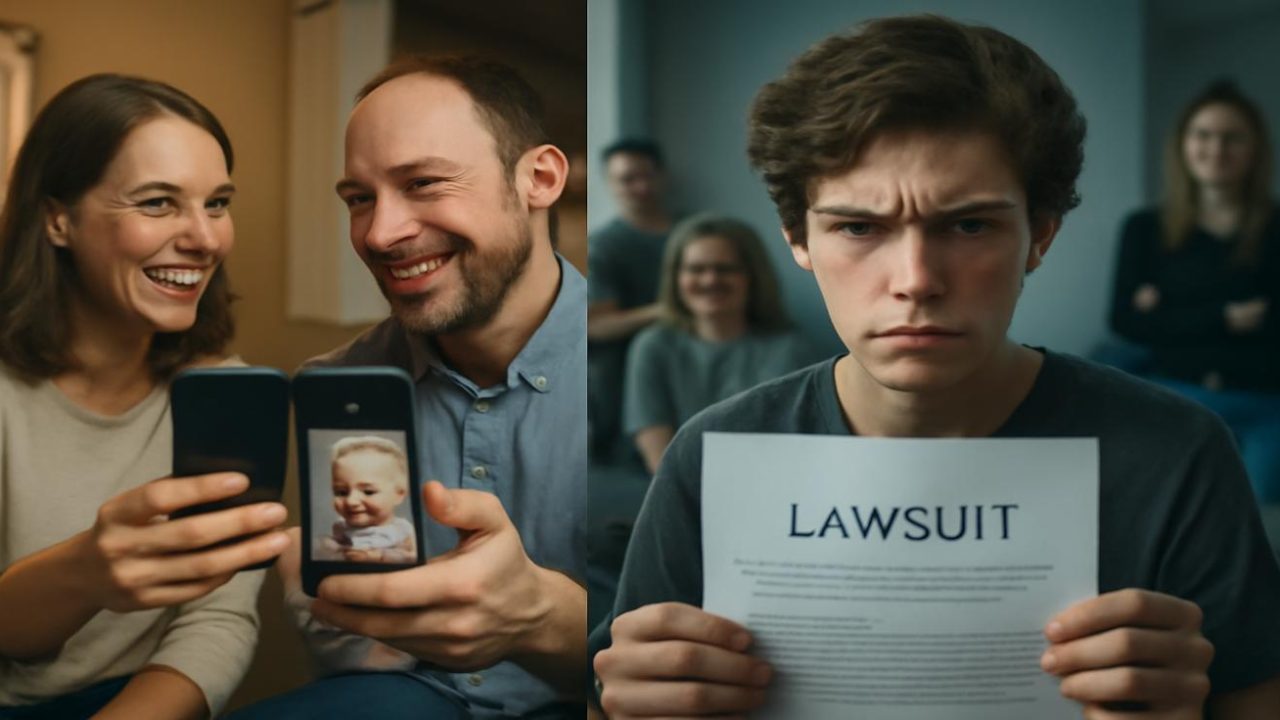
Young adults are increasingly taking their parents to court over childhood photos and personal details shared online without permission, marking a new legal frontier where family photo albums become evidence in privacy lawsuits.
What started as proud parents documenting milestones has evolved into a complex legal battleground. Courts are now grappling with fundamental questions about children’s privacy rights, parental authority, and the permanent nature of digital footprints in an age where every childhood moment can become public content.
The phenomenon represents a generational collision between parents who embraced social media as a way to connect and share parenting experiences, and their children who grew up to discover their most vulnerable moments archived online for strangers to see.

When Childhood Photos Become Legal Evidence
The legal landscape is shifting as courts in several countries begin hearing cases where adult children sue parents for invasion of privacy, defamation, emotional distress, and unauthorized use of their images. These aren’t isolated incidents—they represent a growing trend that’s forcing families into courtrooms over what many parents considered harmless sharing.
The cases often involve more than just cute baby photos. Young adults are discovering that their naked baby pictures, awkward teenage years, medical diagnoses, academic struggles, and personal crises were documented and shared publicly throughout their childhood. These digital archives can be accessed by future employers, romantic partners, or anyone with internet access.
Legal experts note that courts are struggling to balance traditional parental rights with emerging concepts of children’s digital privacy rights. The question of who owns a child’s image and story has never been more legally complex.

For many young adults, searching their own name online becomes a confrontation with their documented childhood—complete with captions that seemed innocent at the time but read differently through adult eyes.
The Hidden Cost of Growing Up Online
Twenty-somethings describe a unique form of grief when they discover the extent of their online presence. Unlike previous generations who could leave childhood behind, these young adults find themselves permanently tethered to documented versions of their younger selves.
The emotional impact extends beyond embarrassment. Some describe feeling “ghosted by their own childhood in real time”—watching their private moments become public entertainment without their consent or understanding of the consequences.

The monetization aspect adds another layer of complexity. When childhood content generates revenue through sponsored posts, YouTube channels, or social media partnerships, questions arise about who profits from a child’s image and experiences.
| Type of Content | Common Legal Claims | Emotional Impact Reported |
|---|---|---|
| Baby/toddler photos | Privacy invasion, unauthorized image use | Embarrassment, loss of control |
| Medical/behavioral issues | Defamation, emotional distress | Stigmatization, professional concerns |
| School struggles/discipline | Privacy violation, reputational harm | Academic/career anxiety |
| Monetized content | Unauthorized commercial use | Exploitation feelings |
Why Parents Are Facing Legal Challenges
The legal challenges stem from a fundamental shift in how we understand childhood privacy. Parents who shared content often did so seeking connection, support, or simply to document precious moments. However, the permanent and public nature of digital content created unintended consequences.
Many parents underestimated how their children would feel about this digital documentation as adults. What felt like proud parenting moments became sources of shame, embarrassment, or professional concern for their grown children.

The cases often involve content that parents posted on public settings, making it accessible to search engines and strangers. Even content shared with privacy settings can be screenshot, saved, or shared beyond the original audience.
Legal experts note that traditional concepts of parental authority didn’t anticipate the permanence and reach of digital sharing. The ability to instantly broadcast a child’s private moments to potentially millions of people creates new ethical and legal considerations.
The Family Relationships at Stake
These legal battles aren’t just about privacy—they’re fracturing family relationships and friendships. The lawsuits often represent years of unsuccessful private conversations about removing content, with legal action becoming a last resort for adult children seeking control over their digital presence.

Parents often feel blindsided by legal action, having shared content from a place of love and pride. The transition from family photos to court evidence creates lasting rifts that extend beyond the legal resolution.
The phenomenon is also affecting friendships and extended family relationships, as the legal cases highlight different generational perspectives on privacy, consent, and digital sharing.
Some families report that the lawsuits have forced difficult conversations about boundaries, consent, and respect that should have happened years earlier but were avoided until legal intervention became necessary.

What This Means for Current Parents
The emerging legal precedents are creating new considerations for parents currently sharing their children’s lives online. Legal experts suggest that parents consider the long-term implications of their digital sharing habits.
The cases highlight the importance of considering a child’s future autonomy and privacy rights, even when they’re too young to understand or consent to sharing. What seems harmless or cute in the moment may have lasting implications for a child’s digital footprint.
Parents are increasingly advised to consider privacy settings, the permanence of digital content, and their children’s potential future feelings about shared content. Some families are adopting new approaches that prioritize the child’s privacy over public sharing.

The legal trend suggests that courts may increasingly recognize children’s rights to control their own image and story, even when parents are the ones creating and sharing the content.
Frequently Asked Questions
Are parents actually being successfully sued by their children over social media posts?
Yes, young adults in several countries are filing lawsuits against parents for invasion of privacy and unauthorized use of their images, with courts beginning to hear these cases.
What types of content are most likely to result in legal action?
Naked baby photos, medical diagnoses, behavioral issues, academic struggles, and monetized content featuring children tend to be the focus of these legal challenges.

Can parents still share photos of their children online legally?
While parents retain many rights regarding their minor children, the legal landscape is evolving to consider children’s privacy rights and future autonomy more seriously.
What damages are adult children seeking in these lawsuits?
Legal claims typically include invasion of privacy, defamation, emotional distress, and in some cases, compensation for unauthorized commercial use of their images.
How are these lawsuits affecting family relationships?
The legal battles often represent the culmination of failed private conversations and are creating lasting rifts between parents and adult children, as well as affecting extended family and friendships.
What should current parents consider before posting about their children?
Legal experts suggest considering the permanence of digital content, future implications for the child’s privacy and autonomy, and the potential professional or personal impact when the child becomes an adult.











Leave a Comment