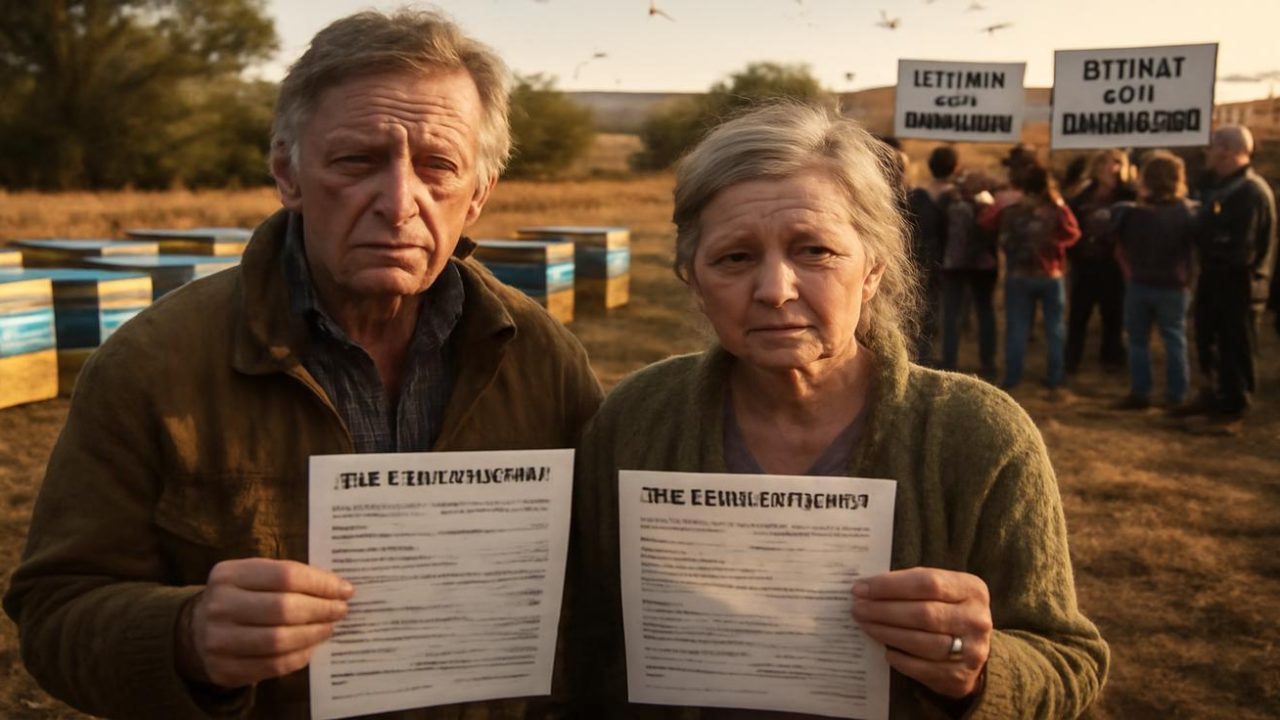
Retired landowners across rural America are facing thousands of dollars in unexpected tax bills after lending their unused fields to struggling beekeepers, raising questions about whether agricultural tax policies are punishing neighborly generosity or finally closing loopholes that allow non-farmers to claim farming tax breaks.
The conflict centers on “rollback taxes” — retroactive bills that can force property owners to pay five years of back taxes at full market value, plus penalties and interest, when county assessors determine their land no longer qualifies for agricultural tax status.
These cases highlight a growing tension between the original intent of agricultural tax breaks and how they’re being applied in practice, particularly when it comes to beekeeping operations.

When Helping Beekeepers Becomes a Tax Liability
Agricultural tax exemptions were designed with a clear purpose: offer steep tax reductions to keep working farmland in production rather than sold for development. The policy helps preserve open land and local food systems by reducing financial pressure on farmers.
But the definition of “agricultural use” varies significantly from state to state, and beekeeping sits in a particularly gray area. While bees are essential to crop pollination and food production, their classification for tax purposes depends heavily on local interpretation and scale requirements.
In some states, beekeeping qualifies fully as agricultural production for tax purposes. In others, eligibility is strictly limited by income levels, hive numbers, or formal business structures. A growing number of jurisdictions are drawing harder lines, concerned that hobby operations are claiming tax breaks intended for working farms.

The arrangement that triggers these tax disputes typically follows a familiar pattern: retired landowners who’ve stopped actively farming allow small-scale beekeepers to place hives on unused corners of their property. Both parties see benefits — the beekeeper gets pasture space, the landowner keeps their agricultural tax status, and the arrangement feels neighborly.
The Real Cost of Agricultural Tax Disputes
When county assessors reclassify land from agricultural to residential use, the financial impact can be devastating for retirees on fixed incomes. The difference between agricultural and residential tax rates can amount to thousands of dollars annually.
Even more problematic are rollback taxes, which demand immediate payment of the difference between what was paid and what would have been owed under residential rates, typically covering the previous five years plus penalties and interest.

| Tax Classification | Typical Impact | Rollback Risk |
|---|---|---|
| Agricultural Use | Steep tax reduction | None if maintained |
| Residential Use | Full market value taxation | N/A |
| Reclassification | Immediate rate increase | 5 years back taxes plus penalties |
The sudden nature of these assessments often catches landowners off-guard, particularly when they believed their arrangements with beekeepers satisfied agricultural use requirements.
Why Beekeeping Tax Status Remains Controversial
Tax assessors and policymakers are increasingly scrutinizing beekeeping operations, worried that people with side hustles or romantic notions about rural life are exploiting tax breaks designed for working farms. The concern extends beyond beekeeping to small chicken coops, vegetable patches, and other limited agricultural activities.
Critics argue that without proper oversight, agricultural tax exemptions become a way for land-rich property owners to dramatically reduce their tax burden while contributing little to actual food production. They point to cases where minimal agricultural activity secures massive tax savings.

Supporters counter that these policies unfairly punish legitimate agricultural activities and the cooperative relationships that help small-scale farmers and beekeepers survive. They argue that beekeeping, regardless of scale, provides genuine agricultural value through pollination services.
The debate reflects broader questions about how tax policy should adapt to changing agricultural practices, including the rise of small-scale, sustainable farming operations that may not fit traditional definitions of agricultural production.
The Loophole Question: Legitimate Farming or Tax Avoidance?
County tax board meetings increasingly feature blunt discussions about what constitutes legitimate agricultural use versus tax avoidance. Officials express frustration with arrangements they view as designed primarily to secure tax benefits rather than engage in meaningful farming.

The challenge lies in distinguishing between genuine agricultural partnerships and arrangements created solely for tax purposes. Factors that often trigger scrutiny include:
- Lack of formal lease agreements between landowners and operators
- Minimal income generation from agricultural activities
- Limited time commitment to farming operations
- Primary residence on the property receiving tax benefits
However, supporters argue that many legitimate small-scale operations naturally involve informal arrangements and modest income levels, particularly in the early stages of agricultural businesses.
What This Means for Landowners and Beekeepers
The crackdown on agricultural tax exemptions is creating uncertainty for both retired landowners and small-scale agricultural operators. Many arrangements that seemed straightforward and beneficial are now under scrutiny.

Landowners considering agricultural partnerships face difficult decisions about whether the potential tax benefits justify the risk of retroactive penalties. The informal, handshake agreements that once seemed adequate may no longer provide sufficient protection against tax challenges.
For beekeepers and other small-scale operators, access to suitable land is becoming more complicated as property owners grow wary of tax implications. This could ultimately harm the small agricultural operations these policies were meant to support.
The situation also highlights the need for clearer, more consistent guidelines about what constitutes legitimate agricultural use across different jurisdictions.

Frequently Asked Questions
What is a rollback tax in agricultural property assessment?
A rollback tax requires property owners to pay the difference between agricultural and residential tax rates for previous years (typically five) plus penalties and interest when land is reclassified.
Do beekeeping operations qualify for agricultural tax exemptions?
It depends on the state and local jurisdiction. Some fully recognize beekeeping as agricultural use, while others have strict requirements for income levels, scale, or formal business structure.
Can informal arrangements between landowners and beekeepers protect agricultural tax status?
Informal arrangements are increasingly scrutinized by tax assessors. Many jurisdictions now require formal lease agreements and evidence of genuine agricultural activity.

How much money is typically at stake in these agricultural tax disputes?
The source indicates differences of thousands of dollars annually between agricultural and residential tax rates, with rollback taxes potentially multiplying this impact over five years.
Are other small-scale agricultural activities facing similar scrutiny?
Yes, tax assessors are examining various limited agricultural activities including small chicken coops, vegetable patches, and other operations they suspect may be primarily for tax benefits rather than genuine farming.
What should landowners do to protect their agricultural tax status?
While specific requirements vary by jurisdiction, formal documentation of agricultural activities and income generation appears increasingly important, though the source material doesn’t provide definitive guidance on protective measures.











Leave a Comment