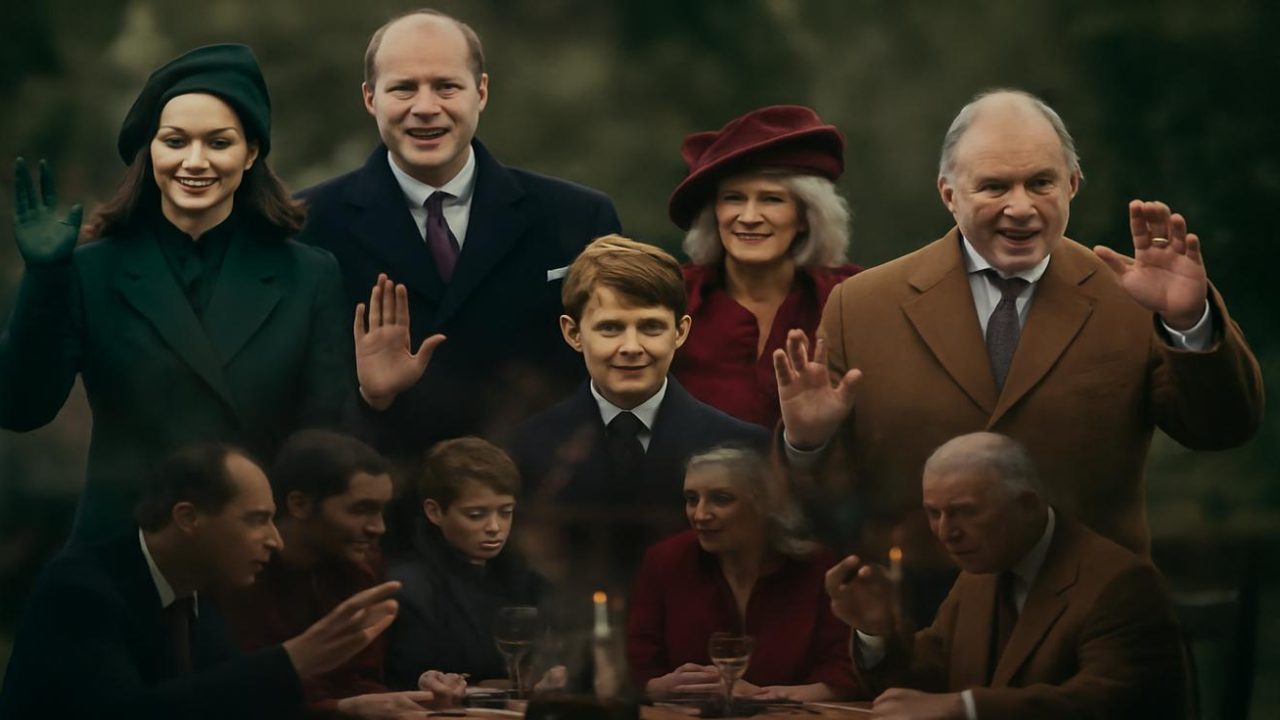
The Royal Family’s Christmas Day walk to church at Sandringham has become one of the most photographed moments of their year, but behind the carefully curated images of family togetherness lies a complex choreography that reveals the tension between public duty and private authenticity.
Each year, crowds gather in the Norfolk cold to witness what’s presented as a simple family tradition—yet every step, smile, and wave is as calculated as any state occasion. The contrast between the intimate village setting and the intense media scrutiny creates what observers describe as a fascinating study in modern monarchy.
This year’s service highlighted the ongoing challenge the Royal Family faces: maintaining relevance and relatability while operating within an institution built on exclusivity and privilege.

The Carefully Orchestrated “Casual” Tradition
St Mary Magdalene Church sits modest and red-brick among bare winter trees, creating an almost village-like atmosphere that belies the global attention focused on its annual Christmas service. The short walk from Sandringham House to the church carries decades of tradition, yet every element is precisely choreographed.
King Charles and Queen Camilla now lead the procession that was once headed by the late Queen Elizabeth II. Their measured steps and practiced half-smiles demonstrate years of experience navigating public appearances that must appear both regal and approachable.
The Prince and Princess of Wales follow with their children, each family member’s winter outfit carefully coordinated in complementary navy and deep green tones. These clothing choices aren’t accidental—they’re designed to photograph well and reinforce the image of a united, stylish family.

The children themselves become focal points for both adoration and speculation. When royal children wave back at eager young faces in the crowd, the moment generates what observers describe as a “soft collective hum” from onlookers—brief instances where the barriers between royalty and public seem to dissolve.
The Performance of Warmth and Authenticity
Cameras capture every gesture that suggests family warmth: shared laughs between siblings, reassuring touches, intimate conversations over crowd murmur. These moments fuel the narrative of the “family” in Royal Family, providing soft-focus reassurance that the institution remains human and relatable.
Yet the choreography becomes apparent to careful observers. Aides hover just beyond camera frames, ready to manage any unexpected situations. The royals instinctively position themselves for optimal photo opportunities while maintaining the illusion of spontaneity.

The crowd itself becomes part of the performance. People arrive early, standing in the bitter Norfolk cold with takeaway coffees and smartphones ready. Their apple-red cheeks and visible breath create atmospheric details that enhance the cozy, traditional image the Royal Family seeks to project.
Police in high-visibility jackets coordinate security while trying to remain unobtrusive. The temporary barriers that separate royalty from public are designed to be functional yet not overly imposing, maintaining the fiction that this is simply a family attending church rather than a major security operation.
The Contradiction at the Heart of Modern Monarchy
The Sandringham Christmas service embodies the central contradiction facing the contemporary Royal Family. They must appear accessible while remaining exclusive, traditional while staying relevant, and authentic while performing their roles with precision.

The setting itself reinforces this paradox. Sandringham’s modest church and rural Norfolk location suggest simplicity and tradition, yet the global media attention and security requirements reveal the artificial nature of the “ordinary” family narrative.
Spectators bring their own complex motivations to the event—mixtures of tradition, reverence, curiosity, and cynicism. Some genuinely revere the monarchy, others attend out of curiosity, and many fall somewhere between admiration and skepticism about the institution’s relevance.
The weather often plays a supporting role in this narrative. The sideways Norfolk wind, frost-stiffened grass, and visible breath create atmospheric conditions that photographers and videographers use to enhance the story of endurance and tradition.

What the Public Sees Versus What Really Happens
The media focus on capturing warmth and family connection, but the reality involves extensive advance planning and security coordination. Every aspect of the walk—timing, positioning, interaction points—is predetermined by royal protection officers and communications staff.
The royal family members themselves have developed instinctive responses to the annual ritual. Their ability to appear natural while following precise protocols demonstrates the professional nature of their public roles.
Crowd management creates the illusion of intimate access while maintaining strict separation. The temporary barriers allow close-up photography opportunities while ensuring security, and designated areas for different media outlets ensure comprehensive coverage from multiple angles.

The children’s participation requires particular attention. Their genuine reactions and interactions with the crowd provide some of the most valuable content for reinforcing the family’s relatability, yet their involvement must be carefully managed to protect their privacy and wellbeing.
The Broader Questions About Royal Relevance
The annual Sandringham service raises larger questions about the Royal Family’s role in contemporary Britain. The carefully maintained tradition serves multiple purposes: reinforcing religious connections, demonstrating family unity, and providing positive media content during the holiday period.
Critics argue that the elaborate security and media attention surrounding what’s presented as a simple church service highlights the disconnect between royal rhetoric about normalcy and the reality of their privileged position.

Supporters contend that the tradition provides valuable continuity and that the family’s willingness to maintain public accessibility demonstrates their commitment to their constitutional role.
The global interest in these images—broadcast worldwide and analyzed extensively—suggests that the monarchy’s symbolic power extends far beyond Britain, even as questions about its practical relevance continue to grow.
Frequently Asked Questions
How long is the walk from Sandringham House to St Mary Magdalene Church?
The walk is described as short, taking just a few minutes, but it carries significant symbolic weight as a public display of royal tradition.

Who leads the Christmas Day procession now?
King Charles and Queen Camilla now lead the procession that was previously headed by the late Queen Elizabeth II.
How do the royals manage to appear natural during such a choreographed event?
Years of experience have given them practiced responses and instinctive positioning skills, allowing them to follow protocols while appearing spontaneous.
What role do the royal children play in the service?
The children provide some of the most engaging content for media coverage, particularly when they interact naturally with crowd members, though their participation is carefully managed.
Why do people wait in the cold to see the Royal Family?
Spectators bring mixed motivations including tradition, reverence, curiosity, and the desire to witness this historic ritual firsthand.
How does the media coverage affect the “family tradition” aspect?
The extensive media attention creates tension between the presentation of an intimate family moment and the reality of a carefully orchestrated public relations event.










Leave a Comment