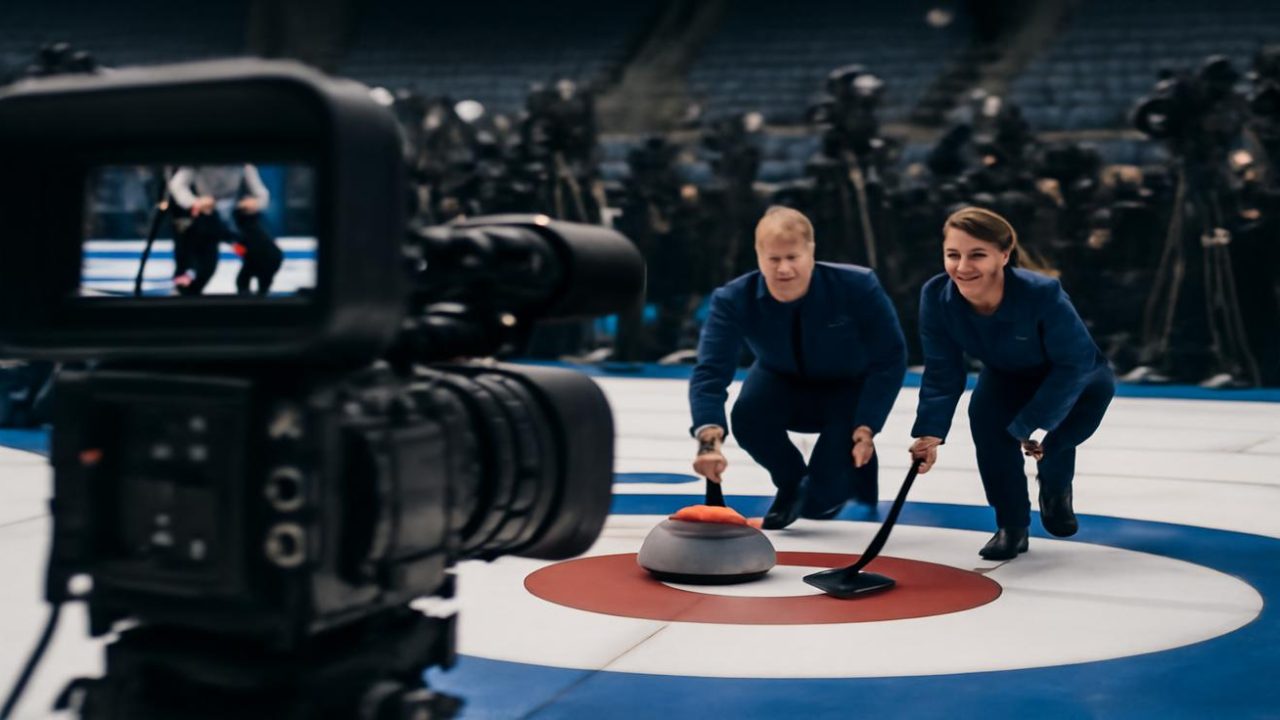
The Prince and Princess of Wales stepped onto the ice at a Scottish curling rink for a friendly competition that captured the attention of cameras and spectators alike. The royal couple traded their usual formal engagements for granite stones and brushes, bringing a touch of competitive spirit to the traditional Scottish sport.
Against the backdrop of Scotland’s winter landscape, William and Catherine embraced the challenge of curling with evident enthusiasm. The modern facility provided the perfect setting for this unusual royal engagement, where protocol gave way to playful competition.
The event offered a rare glimpse into the more relaxed dynamic between the future king and queen, as they prepared to face off in a sport that requires precision, strategy, and no small amount of physical coordination on the slippery surface.

When Royal Duties Meet Scottish Tradition
Curling holds deep cultural significance in Scotland, where the sport evolved from farmers playing on frozen lochs with heavy stones. The game has transformed from its rustic origins into a modern sport played in purpose-built facilities, but it retains its essential character as a test of skill and strategy.
The rink where the royal couple competed represents this evolution perfectly. While the facility boasts modern amenities and professional-grade equipment, the fundamental challenge remains unchanged: slide a 20-kilogram granite stone across the ice to land as close as possible to the center of the target rings, known as the house.
For William and Catherine, this represented more than just a photo opportunity. Their willingness to step outside their comfort zones and engage authentically with local traditions demonstrates the kind of accessibility that has become a hallmark of their public approach.

The atmosphere in the rink combined the quiet concentration that curling demands with the inevitable buzz of media attention. Cameras positioned around the facility captured every moment, from the initial tentative steps onto the ice to the competitive exchanges that followed.
The Art and Science of Curling
Before the competition could begin, both royals received instruction from a local coach who explained the intricacies of the ancient sport. The lesson covered the basics that every curling newcomer must master, starting with the surprising weight of the stones themselves.
Each curling stone weighs approximately 20 kilograms and is crafted from polished granite. The stones feature handles on top and require specific technique to control their path across the ice. Players must master the art of release, applying just the right amount of spin to influence the stone’s trajectory.

The playing surface, known as a sheet, stretches from the hack (starting position) to the house (target area). Success requires reading the ice conditions, understanding how stones will react, and developing the muscle memory necessary for consistent delivery.
Catherine approached the technical instruction with visible focus, studying the ice surface and mentally mapping the path from starting position to target. Her athletic background clearly served her well as she absorbed the coaching points about stance, delivery, and release technique.
William’s approach showed a mix of confidence and healthy skepticism about the ice surface, particularly after an early slip that drew laughter from both participants and observers. His admission that he was hoping “beginner’s luck counts for something” revealed the competitive undercurrent running through the friendly match.

Competition and Camera Work Combine
The media presence added an extra dimension to the curling challenge, with photographers and videographers positioned strategically around the rink. Their equipment captured not just the technical aspects of the game, but the human moments that make such events memorable.
The contrast between the couple’s usual formal appearances and this more casual sporting environment created compelling visual content. Images of them bundled in winter clothing, concentrating on stone placement, and reacting to successful (or unsuccessful) shots provided a different perspective on their public personas.
Catherine’s competitive nature emerged clearly during the exchanges, particularly in her response to William’s confident predictions about beginner’s luck. Her sideways look and promise that “we’ll see about that” captured the kind of affectionate rivalry that resonates with couples everywhere.

The technical aspects of curling provided plenty of opportunities for both success and gentle failure. The sport’s learning curve means that even athletic individuals can find themselves struggling with the precision required for consistent performance.
Royal Engagement Meets Scottish Culture
This curling challenge represents a broader pattern in how the Prince and Princess of Wales approach their royal duties. Rather than maintaining distance from local activities, they consistently choose to participate directly in regional traditions and customs.
The Scottish setting added particular significance to their participation. Scotland’s relationship with the monarchy has evolved considerably in recent decades, and events like this demonstrate royal willingness to engage authentically with Scottish culture and traditions.

The choice of curling as an activity also reflects thoughtful planning. Unlike some sports that might favor one participant over another based on previous experience, curling offered relatively level ground for competition between the royal couple.
The winter timing aligned perfectly with curling season, when rinks across Scotland host both serious competitors and casual participants. The sport’s accessibility makes it an ideal choice for demonstrating that royal engagement doesn’t require elaborate ceremony or extensive preparation.
What the Cameras Captured
The extensive media coverage ensured that moments from this curling challenge would reach audiences far beyond Scotland. The footage and photographs captured several key elements that make such events successful from a public relations perspective.

The genuine moments of concentration, competition, and mutual support between William and Catherine provided authentic content that contrasts sharply with more formal royal appearances. These images help humanize figures who often appear only in ceremonial contexts.
The technical challenges of curling also created opportunities for humor and self-deprecation, qualities that enhance public connection with royal figures. William’s early slip on the ice and both participants’ learning curve with stone delivery provided relatable content.
The Scottish setting reinforced important political and cultural messages about the monarchy’s relationship with all parts of the United Kingdom. Such events serve diplomatic purposes while appearing entirely recreational.

Frequently Asked Questions
How much do curling stones weigh?
Each curling stone weighs approximately 20 kilograms and is made of polished granite.
Had William and Catherine played curling before this event?
William admitted he hadn’t done it “properly” before and was hoping beginner’s luck would help his performance.
What is the target area called in curling?
The target area is called “the house” and consists of concentric rings where players aim their stones.
Where did curling originate in Scotland?
Curling evolved from farmers playing on frozen lochs, sliding heavy stones across natural ice surfaces.
What equipment do curling players use?
Players use granite stones with handles, brushes for sweeping, and play from a starting position called “the hack.”
Was this curling match filmed for broadcast?
Yes, cameras and videographers captured the entire event, with footage intended for wide distribution.










Leave a Comment