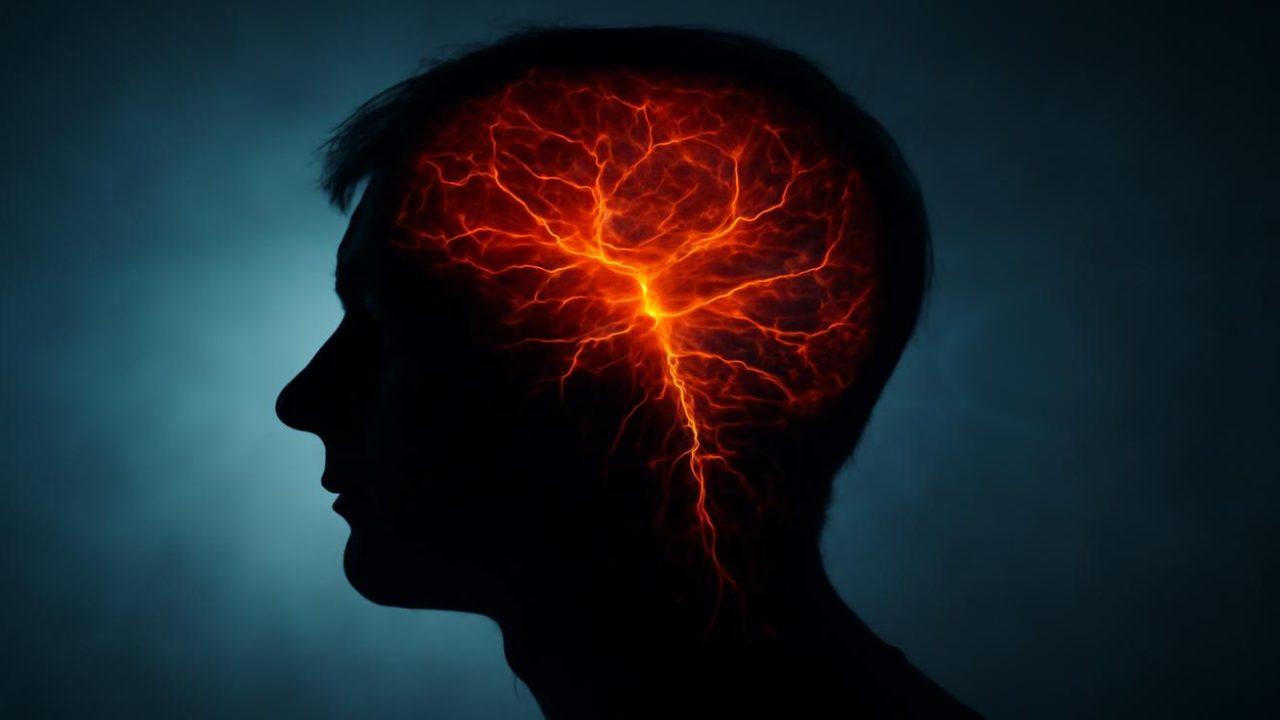
Your brain treats embarrassing moments like a high-definition security camera, recording every excruciating detail with crystal clarity while letting countless happy memories fade into soft, distant impressions. This isn’t a character flaw or bad luck—it’s psychology at work, driven by ancient survival mechanisms that still shape how your mind processes social experiences today.
The phenomenon has a name: negativity bias. Your brain isn’t an objective historian quietly filing away experiences with equal weight. Instead, it operates more like a survival-focused editor, highlighting certain moments with intense emotional markers while allowing others to blur together in the background.
Understanding why this happens reveals something profound about how human memory works—and why that ninth-grade mispronunciation still makes you wince in the shower decades later.

Why Your Ancient Brain Still Fears Social Rejection
To understand your brain’s obsession with embarrassing moments, you need to imagine your nervous system in a completely different world—not in modern coffee shops or quiet offices, but on open savannas thousands of years ago.
Back then, belonging to a group meant everything. It provided food, protection, warmth, and survival itself. Being rejected or embarrassed in front of your tribe wasn’t just an awkward moment—it could signal that you didn’t fit in, weren’t trustworthy, or failed to follow crucial social rules.
Your brain developed a survival equation that still runs in the background today: Social mistake = potential loss of belonging = possible threat to survival.

This ancient programming explains why spilling coffee in a meeting or forgetting someone’s name at a party can trigger such intense internal reactions. Your brain hasn’t fully updated its software. It still treats social humiliation with the urgency of a predator’s shadow, even when your actual survival isn’t at stake.
When something embarrassing happens, your amygdala—the brain’s alarm system—lights up immediately. Stress hormones like cortisol surge through your system. Your heart rate climbs and your senses sharpen. In memory terms, this is like hitting the “record in 4K” button.
How Emotion Acts as Memory’s Highlighter Pen
Scientists describe emotion as a highlighter pen drawn across certain experiences. Your hippocampus, which converts experiences into long-term memories, works more intensely under strong emotion, especially when fear or shame is involved.

Happy moments do get highlighted, but embarrassing experiences often come with a particularly potent cocktail of surprise, shame, and perceived threat. This combination creates especially vivid, lasting memories that your brain can replay with startling accuracy years later.
The difference becomes clear when you compare memory types. You might remember feeling proud about a successful project or receiving sincere praise, but these positive memories often lack the sharp, detailed quality of embarrassing moments. You can probably recall the exact color of the carpet when you called your teacher “Mom,” but struggle to remember specific details from the last time someone complimented your work.
This isn’t because positive experiences matter less—it’s because they typically feel safe and familiar. They may be deeply pleasant, but they don’t always trigger the same intense alarm systems that embarrassment activates.

The Science Behind Vivid Embarrassing Memories
The intensity of embarrassing memories stems from how your brain processes social threats compared to other experiences. When you experience embarrassment, multiple brain systems activate simultaneously:
- The amygdala triggers immediate emotional responses and stress hormone release
- The hippocampus strengthens memory formation under emotional stress
- The prefrontal cortex analyzes social implications and potential consequences
- The anterior cingulate cortex processes the emotional pain of social rejection
This multi-system activation creates what researchers call “flashbulb memories”—vivid, detailed recollections that feel almost photographic in their clarity. You remember not just what happened, but how the air smelled, what people were wearing, and the exact moment you realized you’d made a mistake.
Meanwhile, routine positive experiences often activate fewer brain systems simultaneously. A pleasant conversation with a friend or a successful day at work might feel wonderful, but these experiences typically don’t trigger the same intense neurochemical response that creates ultra-vivid memories.

Why This Memory Bias Actually Served Our Ancestors Well
Your brain’s tendency to vividly remember embarrassing moments wasn’t a design flaw—it was a feature that helped human ancestors survive and thrive in social groups. Those who could remember and learn from social mistakes were more likely to maintain group membership and avoid future rejection.
This psychological mechanism helped early humans navigate complex social hierarchies, remember important cultural rules, and modify their behavior to stay in good standing with their communities. The emotional intensity of embarrassing memories ensured that important social lessons stuck.
The problem is that modern life presents far more social interactions and potential embarrassing moments than our ancestors ever faced, but our brains still respond with the same intensity to relatively minor social missteps.

| Memory Type | Emotional Intensity | Detail Level | Longevity |
|---|---|---|---|
| Embarrassing moments | Very high | Extremely detailed | Decades |
| Happy experiences | Moderate to high | General impressions | Variable |
| Routine interactions | Low | Minimal | Days to weeks |
| Neutral events | None | Almost none | Hours |
Understanding Your Brain’s Embarrassment Archive
Recognizing that your brain’s focus on embarrassing memories is a normal psychological process—not a personal failing—can help you develop a healthier relationship with these experiences. Your mind isn’t being cruel when it replays awkward moments; it’s following ancient programming designed to help you navigate social situations successfully.
The key insight is understanding that everyone’s brain works this way. While you’re remembering your own embarrassing moments in vivid detail, other people are typically focused on their own social concerns and mistakes. That moment you’re replaying from three years ago? The other people involved have likely forgotten it completely.
This psychological tendency also explains why practices like mindfulness and cognitive behavioral therapy can be effective for managing social anxiety. By understanding how your brain processes embarrassing memories, you can develop strategies to respond to these mental replays with less distress.

Frequently Asked Questions
Why do embarrassing memories feel more vivid than happy ones?
Embarrassing moments trigger intense emotional responses that activate multiple brain systems simultaneously, creating “flashbulb memories” with extraordinary detail and clarity.
Is it normal to remember embarrassing moments from years ago?
Yes, this is completely normal and happens to everyone due to negativity bias—your brain’s tendency to highlight potentially threatening social experiences for future reference.
Why does my brain replay embarrassing moments when I’m trying to relax?
Your amygdala treats past embarrassing moments as potential threats worth reviewing, especially during quiet moments when your mind isn’t focused on immediate tasks.

Do other people remember my embarrassing moments as clearly as I do?
No, other people are typically focused on their own experiences and social concerns, so they rarely remember your embarrassing moments with the same intensity you do.
Can I train my brain to focus more on positive memories?
While you can’t eliminate negativity bias, practices like gratitude journaling and mindfulness can help you consciously direct more attention to positive experiences.
Why don’t happy memories have the same lasting power as embarrassing ones?
Happy experiences typically feel safe and don’t trigger the same intense stress responses that create ultra-vivid memories, so they’re often stored as general positive impressions rather than detailed scenes.










Leave a Comment