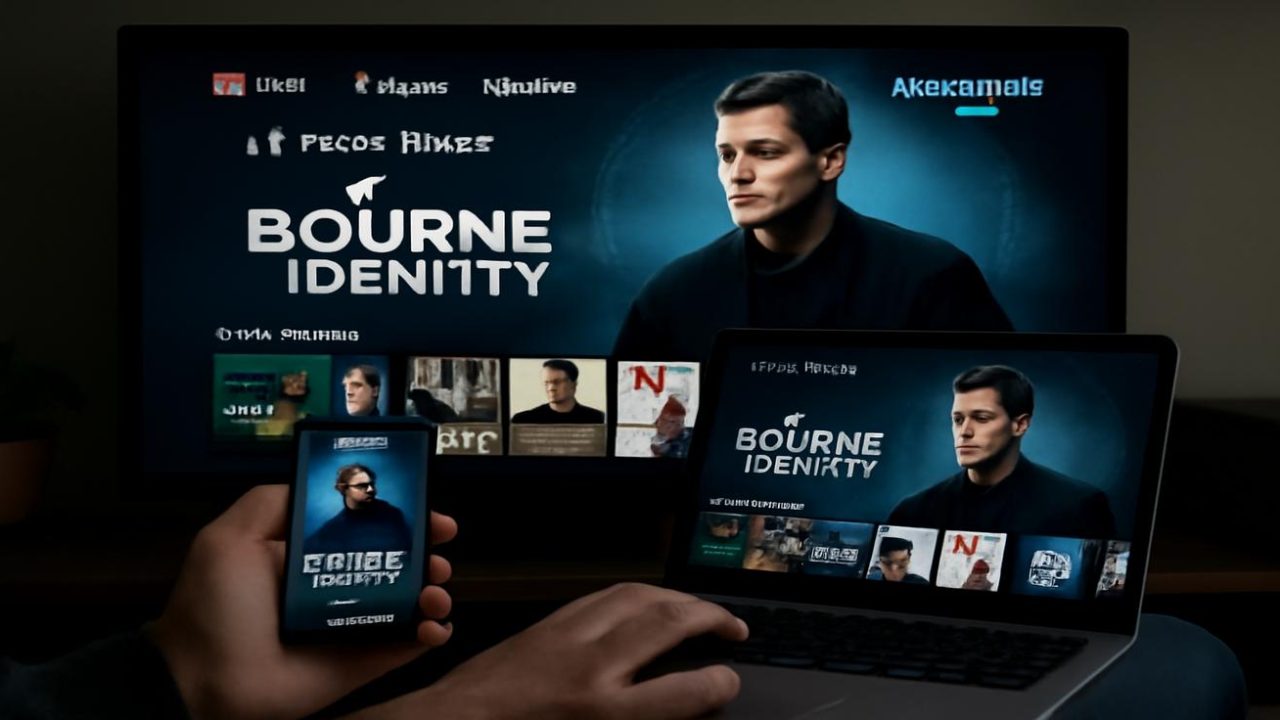
Twenty-three years after Jason Bourne first awakened on that fishing boat with no memory and deadly instincts, the franchise that quietly revolutionized action cinema is experiencing an unexpected renaissance on streaming platforms. What started as a 2002 thriller starring Matt Damon has become a rediscovered treasure for viewers seeking grounded, intelligent action in an era of CGI spectacle.
The Bourne franchise isn’t just returning to relevance—it’s teaching a new generation what action thrillers looked like before every fight scene required green screens and every chase needed to destroy half a city. And somehow, in 2025, these films feel more vital than ever.
Why the Bourne Films Feel Revolutionary Again
Streaming algorithms are quietly serving up “The Bourne Identity” to viewers exhausted by superhero universes and franchise requirements. What they’re finding is a thriller that operates on entirely different principles than modern action cinema.

The original film opens with that iconic scene: a man pulled from the Mediterranean, two bullet wounds in his back, no memory of who he is. But he can disassemble three police officers with a ballpoint pen and speak multiple languages fluently. It’s a setup that immediately establishes stakes without requiring viewers to understand a decade of backstory.
The visual approach feels almost radical by today’s standards. Director Doug Liman chose handheld cameras and natural lighting over polished digital cinematography. The result is action that feels tactile—you can almost smell the exhaust during that legendary Mini Cooper chase through Paris streets.
What strikes viewers rewatching these films is the restraint. Bourne doesn’t deliver quippy one-liners while dispatching enemies. Instead, there’s heavy breathing, echoing footsteps, and the ambient sounds of real cities. In an age of sensory overload, this approach feels almost meditative.

The Franchise That Redefined Modern Action
The Bourne trilogy fundamentally changed how action sequences are filmed and edited. The close-quarters combat style, handheld camera work, and rapid-fire editing influenced everything from James Bond films to “John Wick.”
But the franchise’s real innovation was making the protagonist the weapon. Unlike traditional action heroes who rely on gadgets or supernatural abilities, Bourne’s deadliness comes from psychological conditioning. He’s simultaneously the victim and the threat, hunting the people who made him while trying to reclaim his humanity.
The films also pioneered a new kind of paranoid thriller for the post-9/11 era. Government surveillance, black ops programs, and institutional betrayal weren’t just plot devices—they reflected genuine anxieties about expanding security states and covert operations.

| Film | Release Year | Key Setting | Central Theme |
|---|---|---|---|
| The Bourne Identity | 2002 | Paris, Switzerland | Discovery and survival |
| The Bourne Supremacy | 2004 | Berlin, Moscow | Guilt and redemption |
| The Bourne Ultimatum | 2007 | London, Tangier, New York | Truth and closure |
What Makes These Films Work on Streaming
The intimate scale of streaming perfectly suits the Bourne aesthetic. These aren’t films designed for maximum theater impact—they’re character studies wrapped in expertly crafted action sequences.
Watching on smaller screens actually enhances the experience. The handheld camera work feels less disorienting, and the detailed fight choreography becomes more apparent. You can study how Bourne uses everyday objects as weapons or notice the subtle ways Matt Damon conveys a man constantly calculating escape routes.
The pacing also works better for home viewing. Unlike modern action films that sprint from set piece to set piece, Bourne films take time to develop relationships and build tension. There are quiet moments—Bourne and Marie talking in a hotel room, or Bourne studying his reflection in a mirror—that give weight to the explosive action sequences.

Streaming platforms have also made it easier to appreciate the trilogy as a complete narrative arc. Watching all three films in sequence reveals careful character development and thematic progression that might have been lost when films were released years apart.
The Influence That’s Still Being Felt
Nearly every modern action franchise owes something to the Bourne films. The shaky-cam style became so prevalent that some filmmakers eventually rebelled against it. But the core innovations—grounded fight scenes, practical stunts, and psychologically complex protagonists—remain influential.
The John Wick franchise clearly draws from Bourne’s “ordinary locations, extraordinary violence” approach. Marvel’s Winter Soldier storyline borrowed heavily from Bourne’s themes of programmed assassins and government conspiracy. Even recent Bond films adopted the handheld camera work and brutal fight choreography pioneered by this trilogy.

What sets Bourne apart from its imitators is the emotional core. Jason Bourne isn’t just trying to complete a mission—he’s trying to become human again. Every fight scene is also an internal struggle between his programmed instincts and his emerging conscience.
Why Now Is the Perfect Time to Rediscover Bourne
After years of increasingly elaborate action spectacles, audiences seem hungry for something more grounded. The Bourne films offer violence with consequences, chases through real locations, and stunts performed by actual human beings.
The themes also feel remarkably current. Government surveillance programs, the ethics of targeted killing, and the psychological cost of warfare aren’t historical curiosities—they’re ongoing debates. Bourne’s struggle to escape a system that created him resonates in an era of institutional mistrust.

For viewers discovering these films for the first time, they offer a masterclass in efficient storytelling. Each film advances the plot while deepening character development. There’s no wasted motion, no unnecessary subplots, no fan service—just pure narrative momentum.
The trilogy also benefits from having a clear ending. Unlike franchises that extend indefinitely, Bourne’s story reaches a satisfying conclusion that feels both inevitable and earned. It’s a complete experience in an entertainment landscape dominated by never-ending series.
Frequently Asked Questions
Are all the Bourne films available on streaming platforms?
Availability varies by platform and region, but the original trilogy frequently appears on major streaming services.

Do I need to watch the Bourne films in order?
Yes, the trilogy tells a continuous story that builds on previous events and character development.
How do the later Bourne films compare to the original trilogy?
The source material focuses on the original trilogy’s rediscovery, noting their continued relevance and influence.
What makes the Bourne action scenes different from modern films?
They use practical stunts, real locations, and handheld cameras to create a grounded, tactile feel rather than CGI spectacle.

Why are these films finding new audiences now?
Streaming algorithms are introducing them to viewers seeking alternatives to superhero films and franchise requirements.
What impact did these films have on the action genre?
They revolutionized fight choreography, camera work, and editing techniques that influenced everything from Bond films to John Wick.








Leave a Comment