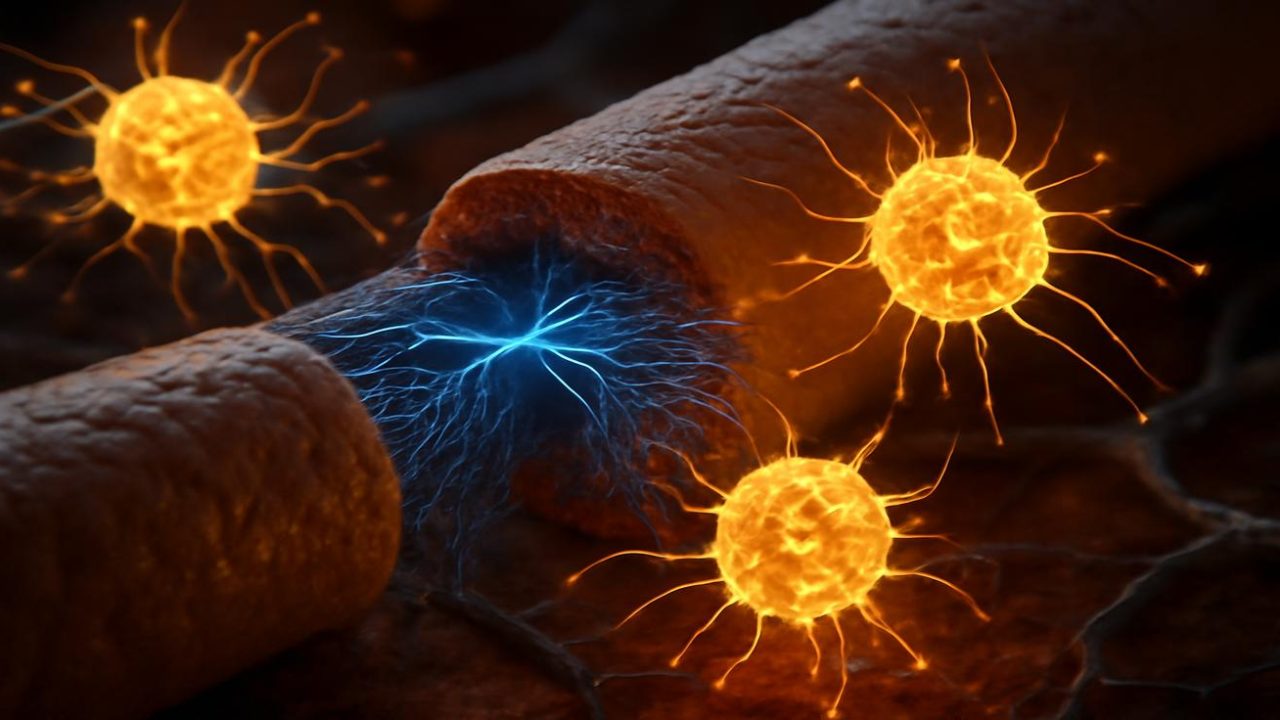
A broken spine has long been considered a permanent sentence, but a groundbreaking study suggests that stem cells harvested from ordinary body fat might hold the key to restoring movement to paralyzed patients. The research focuses on adipose-derived stem cells (ADSCs), which can be collected through a procedure similar to liposuction and transformed into various cell types, including those that behave like nervous system cells.
This breakthrough represents a dramatic shift in how scientists approach spinal cord injuries. For decades, the medical consensus has been that once spinal cord nerves are damaged, meaningful recovery is impossible. The body’s natural healing response creates scar tissue and inflammation that acts like a biological barrier, permanently blocking communication between the brain and body.
The potential of fat-derived stem cells to change this narrative has captured the attention of researchers worldwide, offering hope to millions of people living with spinal cord injuries.

How Fat Stem Cells Could Repair Spinal Cord Damage
Adipose tissue, the soft yellow layer that exists throughout our bodies, contains a hidden treasure: mesenchymal stem cells that function like biological “blank slates.” These cells possess a remarkable ability to transform into different cell types, including bone, cartilage, and cells that behave similarly to those in the nervous system.
Unlike other stem cell sources, fat-derived stem cells offer several crucial advantages. They’re abundant and easily accessible through procedures not unlike standard liposuction. This accessibility has revolutionized the pace of research, allowing labs worldwide to collect sufficient quantities for serious experimentation.
The harvesting process is significantly less invasive than extracting stem cells from bone marrow, which requires painful procedures that yield only small quantities of cells. With adipose tissue, surgeons can obtain a rich supply of stem cells in a single, relatively simple procedure.

Early animal studies have shown promising results across various applications. Researchers observed damaged muscles healing faster, bone fractures mending more effectively, and scars forming more gently when these stem cells were introduced to injured tissues.
The Science Behind Spinal Cord Regeneration
The spinal cord has historically been considered the “holy ground” of regenerative medicine. When nerves in the spinal cord sustain damage, the body’s response typically creates more problems than solutions. Inflammation and scar tissue formation essentially pour concrete over the severed neural pathways, permanently stopping the flow of messages between brain and body.
Traditional medical approaches have focused on preventing further damage and managing symptoms rather than restoring function. The idea that stem cells from body fat could coax these silent pathways back to life was initially met with skepticism, even among optimistic researchers.

| Stem Cell Source | Collection Method | Advantages | Challenges |
|---|---|---|---|
| Adipose Tissue | Liposuction-like procedure | Abundant, accessible, low controversy | Newer research area |
| Bone Marrow | Invasive extraction | Established research | Painful, low yield |
| Embryonic | Laboratory cultivation | High potency | Ethical concerns, regulatory barriers |
The breakthrough study represents years of research into how these fat-derived stem cells might be guided to repair neural damage. The process involves not just transplanting the cells, but creating the right conditions for them to differentiate into the specific types of cells needed for spinal cord repair.
Real-World Impact on Spinal Cord Injury Patients
The implications of successful fat stem cell therapy extend far beyond the laboratory. Spinal cord injuries affect hundreds of thousands of people worldwide, with most cases resulting in permanent paralysis and requiring lifelong care and accommodation.
Current treatment options focus primarily on rehabilitation, adaptive equipment, and managing complications rather than restoring lost function. Physical therapy helps patients maximize their remaining abilities, while assistive technologies enable greater independence, but the fundamental damage remains unchanged.

The possibility of actual neural regeneration would represent a paradigm shift in treatment approaches. Rather than learning to live with permanent limitations, patients might have hope for genuine recovery of sensation and movement.
The study describes moments of breakthrough that highlight the human impact of this research. Patients who have lived for years without sensation in their legs suddenly experiencing movement and feeling represent more than medical milestones—they’re life-changing transformations that affect not just patients but their families and caregivers.
The Path From Laboratory to Clinical Treatment
While the results are promising, the journey from research breakthrough to available treatment involves extensive additional testing and regulatory approval. Clinical trials must demonstrate not only effectiveness but also long-term safety of the procedure.

The advantage of using a patient’s own fat cells reduces the risk of immune rejection, a common complication with transplanted tissues. This autologous approach—using the patient’s own cells—eliminates the need for immunosuppressive drugs that can cause serious side effects.
Researchers must still determine optimal timing for treatment, the best methods for processing and preparing the stem cells, and the most effective delivery techniques. The study suggests that early intervention may be crucial, but more research is needed to establish treatment protocols.
The scalability of fat-derived stem cell therapy also represents a significant advantage. Unlike treatments that require rare donor tissues or complex manufacturing processes, this approach uses readily available biological material from each patient.

What This Breakthrough Means for Future Medicine
The success of fat stem cells in spinal cord repair could have implications extending well beyond paralysis treatment. The same principles might apply to other conditions involving nerve damage, including stroke recovery, peripheral nerve injuries, and neurodegenerative diseases.
The research also validates the broader field of regenerative medicine, demonstrating that the body’s own repair mechanisms can be enhanced and directed toward healing previously irreversible damage. This approach represents a fundamental shift from simply managing disease to actively reversing it.
For the scientific community, the study provides a roadmap for similar research into other “incurable” conditions. The combination of accessible stem cell sources and refined cultivation techniques opens new possibilities for treating a wide range of injuries and diseases.

The breakthrough also highlights the importance of looking beyond traditional medical approaches. The idea that ordinary fat tissue could hold the key to healing spinal cord injuries demonstrates how revolutionary treatments can emerge from unexpected sources.
Frequently Asked Questions
How are fat stem cells collected for spinal cord treatment?
The cells are harvested through a procedure similar to liposuction, which is less invasive than extracting stem cells from bone marrow and yields larger quantities of usable cells.
Can fat stem cells really restore movement to paralyzed patients?
The study describes cases where patients experienced restored sensation and movement in previously paralyzed limbs, though more research is needed to establish the full scope of potential recovery.

Why are fat-derived stem cells better than other types?
They’re abundant, easily accessible, and don’t raise the ethical concerns associated with embryonic stem cells, while being less painful to harvest than bone marrow stem cells.
When will this treatment be available to patients?
The timeline for clinical availability has not been specified in the current research, as additional trials and regulatory approvals will be required.
Are there risks associated with fat stem cell therapy?
Using a patient’s own fat cells reduces the risk of immune rejection, though the full safety profile requires further study through clinical trials.
Could this approach work for other types of nerve damage?
The research suggests potential applications for stroke recovery, peripheral nerve injuries, and other conditions involving nerve damage, though specific studies would be needed for each application.










Leave a Comment