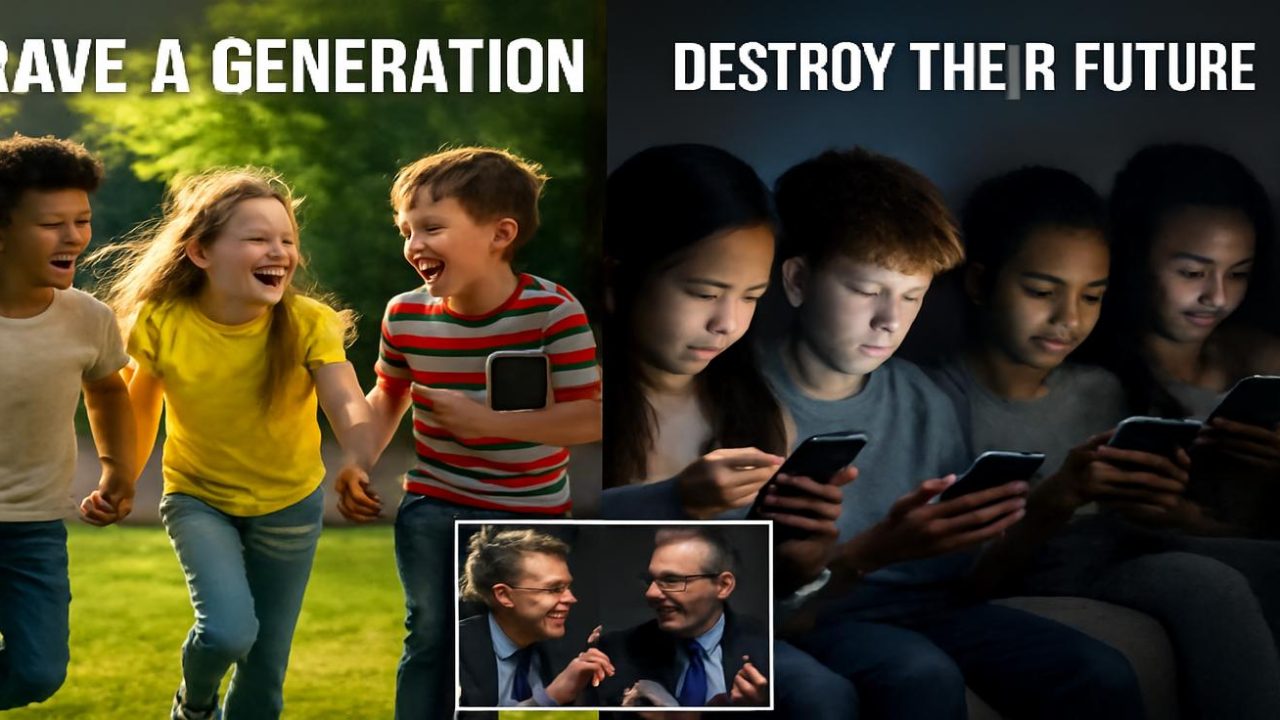
Experts are locked in an unprecedented debate over whether banning smartphones for children could prevent a mental health crisis or create a new form of digital inequality. The discussion has moved from fringe parenting forums to mainstream policy conversations, with some proposing complete smartphone bans for kids under 14, 15, or even 16 years old.
The stakes couldn’t be higher. Rising rates of anxiety, depression, and self-harm among young people have coincided with the widespread adoption of smartphones and social media. Yet critics warn that removing these devices entirely could leave children unprepared for an increasingly digital world.
The divide reflects a deeper question about childhood itself: whether we’re protecting kids from genuine harm or depriving them of essential modern skills.

The Mental Health Crisis Driving Ban Proposals
Child psychologists report seeing patterns they describe as deeply troubling. Eleven-year-olds experiencing panic attacks. Thirteen-year-olds whose self-worth fluctuates with each notification. Nine-year-old children expressing suicidal thoughts related to online bullying that follows them home through group chats.
The timing appears significant. Mental health challenges among young people have surged alongside the rise of constant connectivity and algorithm-driven social media platforms. While experts acknowledge that correlation doesn’t prove causation, the stories from young patients often share common themes centered around smartphone use.
Supporters of smartphone bans argue that developing brains—naturally wired for risk-taking, reward-seeking, and social belonging—are being asked to navigate what amounts to a “casino of attention, outrage, and comparison” that even adults struggle to handle responsibly.

The design of many apps mirrors the psychology of gambling, featuring bright colors, variable rewards, and infinite scroll mechanisms. These features become particularly problematic when placed in the hands of adolescents desperate to understand their place in complex social hierarchies.
What Smartphone Bans Promise to Restore
Proponents of age restrictions envision more than just removing harmful technology—they describe creating space for healthier childhood experiences to return. Their vision includes several key benefits:
- Improved sleep quality without late-night screen disruption
- Enhanced face-to-face social skills and deeper friendships
- Reduced anxiety from constant social comparison
- Greater focus on academic work and creative activities
- More outdoor play and physical activity
- Protection from cyberbullying and online predators
The concept draws parallels to other age-based restrictions society already accepts. Just as we don’t allow children to drive cars, vote, or consume alcohol, ban advocates argue that smartphones represent another technology requiring developmental readiness.

Some parents describe feeling trapped between competing pressures—wanting to protect their children while fearing social isolation if their kids are the only ones without devices.
The Case Against Digital Exile
Critics of smartphone bans raise equally compelling concerns about creating what they call “digital exile” for young people. They argue that removing smartphones entirely could harm children in different but significant ways.
The opposition case centers on several practical realities. Modern life increasingly requires digital literacy, from online learning platforms to college applications submitted electronically. Children without early exposure to these tools may find themselves disadvantaged in academic and eventually professional settings.

Safety represents another major concern. Parents rely on smartphones to track their children’s locations, communicate during emergencies, and maintain contact during after-school activities. Removing these devices could actually increase certain risks while attempting to reduce others.
Social exclusion poses perhaps the most immediate threat. When most peers communicate through digital platforms, children without access may find themselves isolated from friend groups, party invitations, and casual social interactions that increasingly happen online.
| Arguments For Bans | Arguments Against Bans |
|---|---|
| Reduced anxiety and depression | Digital skills needed for future success |
| Better sleep and focus | Safety communication with parents |
| Protection from cyberbullying | Social isolation from peers |
| More face-to-face interaction | Limited access to educational resources |
| Reduced exposure to harmful content | Inability to learn responsible usage |
The Implementation Challenge
Even supporters of smartphone restrictions acknowledge that implementation presents enormous practical challenges. Unlike other age-based restrictions, smartphone bans would require coordination between parents, schools, and entire communities to be effective.

Individual families attempting to restrict smartphone access often face resistance from children who feel singled out and excluded. The pressure becomes particularly intense during middle school years, when peer acceptance carries outsized importance for developing identities.
Schools wrestling with these policies must balance educational technology needs with concerns about social media distraction. Some institutions have implemented partial solutions, such as phone lockers during class time, but these approaches don’t address after-school and weekend usage patterns.
The global nature of digital platforms also complicates local solutions. Even if one community successfully restricts youth smartphone access, children may encounter the same concerning content through other devices or when visiting friends in different areas.

What Research Actually Shows
The scientific evidence supporting either side remains frustratingly incomplete. While mental health challenges among young people have increased alongside smartphone adoption, researchers struggle to establish direct causal relationships.
Multiple factors could explain rising anxiety and depression rates, including academic pressure, economic uncertainty, climate change concerns, and social media algorithms that may amplify negative content. Smartphones might accelerate existing problems rather than create entirely new ones.
Limited research exists on the long-term effects of smartphone bans because these policies remain relatively new and uncommon. The few studies available suggest mixed results, with some children showing improved focus and sleep while others experience increased social anxiety about missing digital communications.

Cultural differences also complicate the research picture. Countries with different attitudes toward childhood independence, academic pressure, and technology adoption may see varying results from similar smartphone restriction policies.
Finding Middle Ground Solutions
Rather than complete bans, some experts advocate for graduated approaches that introduce smartphone access progressively. These compromise solutions might include basic phones for safety communication before age 14, with social media and internet access delayed until later adolescence.
Family-centered strategies focus on teaching responsible usage rather than complete restriction. These approaches emphasize screen-free times, open communication about online experiences, and parental modeling of healthy technology habits.

Community-wide initiatives show promise in some areas, where groups of parents coordinate similar rules to reduce individual children feeling excluded. These efforts work best when schools, sports teams, and other youth organizations support consistent policies.
Technology companies face increasing pressure to develop age-appropriate versions of their platforms, though critics argue that profit incentives may conflict with child welfare concerns.
Frequently Asked Questions
At what age do most experts recommend allowing smartphone access?
There’s no consensus among experts, with recommendations ranging from age 12 to 16 depending on individual maturity and family circumstances.
Do smartphone bans actually improve children’s mental health?
Limited research shows mixed results, with some studies indicating improved sleep and focus, while others find increased social anxiety about missing communications.
How can parents implement restrictions without isolating their children socially?
Community-wide coordination among parents and schools appears most effective, along with providing alternative social opportunities for children without devices.
What alternatives exist to complete smartphone bans?
Options include basic phones for safety, graduated access to features by age, family screen time agreements, and delayed social media introduction.
Are there legal restrictions on children’s smartphone access?
Most proposed restrictions focus on school policies and parental decisions rather than legal mandates, though some regions are considering broader regulatory approaches.
How do smartphone bans affect children’s preparation for adult digital life?
Critics argue that delayed exposure may disadvantage children academically and professionally, while supporters contend that basic digital skills can be learned quickly once children are developmentally ready.











Leave a Comment