
That overwhelming reaction you feel when a coworker dismisses your idea isn’t just you being “too sensitive” — cognitive scientists say it’s your brain doing exactly what it was designed to do. Research reveals that the brain stores painful experiences not by their specific content, but by their emotional signature, meaning a casual slight today can trigger the exact same neural pathway as a deep wound from decades ago.
This discovery explains why someone who has worked through childhood trauma in therapy can still feel blindsided by a seemingly minor interaction. The brain doesn’t distinguish between a parent’s rejection thirty years ago and a dismissive comment in today’s meeting based on the facts of what happened. Instead, it matches them based on how they feel.
Understanding this mechanism changes how we think about emotional triggers and healing — and why intellectual insight alone often isn’t enough to prevent old wounds from surfacing in new situations.

How Your Brain Files Away Emotional Pain
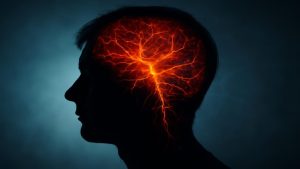
Studies have found that emotional memories stick when different brain regions work in harmony, essentially synchronizing to encode the feeling of an experience rather than its factual details. The amygdala tags the emotional intensity of what’s happening, while the hippocampus logs the context. When these systems fire together during a painful moment, they create a neural template that can be reactivated by anything carrying a similar emotional charge.
This is why the content of two experiences can be completely unrelated, but the emotional response feels identical. A question about spending money can trigger the same defensive reaction as a business partnership ending, not because the situations are similar, but because they carry the same emotional signature — that specific feeling of being dismissed or having your judgment questioned.
The brain essentially operates like a filing cabinet with only one label: how something made you feel. A dismissive comment from a coworker in 2026 gets filed in the same emotional category as a parent’s rejection from 1996, despite having nothing else in common.

Why Therapy Knowledge Doesn’t Always Prevent Triggers
Many people who have done significant inner work find themselves frustrated when they still get triggered by situations they understand intellectually. They can tell the story of their original wound without crying, they have the therapeutic language down, and they understand the narrative of what happened to them. Yet a benign comment from a partner or colleague can still send them into an emotional tailspin.
Cognitive science suggests this happens because knowing the origin story of your wound doesn’t prevent the neural pathway from firing. Understanding why you react a certain way might give you a slightly longer pause between the activation and your response, but it doesn’t stop the initial emotional reaction from occurring.
The mismatch between intellectual understanding and emotional response can be particularly haunting for people who expect their therapy work to provide more complete protection from triggers. But the brain’s emotional filing system operates largely below the level of conscious thought, making it resistant to purely cognitive interventions.

How Pain Changes Your Brain’s Priorities
Beyond creating trigger responses, significant pain actually rewires how your brain allocates attention and energy. Research suggests that after experiencing real hardship, people often find their tolerance for trivial complaints or minor inconveniences drops dramatically.
This represents a shift in cognitive priorities, where the nervous system stops wasting energy on things that don’t serve survival or wellbeing. Someone who has experienced job loss, relationship trauma, or financial instability might find they can no longer summon sympathy for complaints about small bonuses or minor workplace annoyances.
The brain has essentially reassigned those emotional resources to more pressing concerns. This isn’t callousness — it’s a functional adaptation that helps focus limited mental energy on what actually matters for getting through difficult circumstances.

| Brain Region | Role in Emotional Memory | How It Affects Triggers |
|---|---|---|
| Amygdala | Tags emotional intensity | Assigns threat level to new experiences |
| Hippocampus | Records context and details | Links current situation to past emotional patterns |
| Neural pathways | Connect emotional signatures | Activate same response for similar feelings |
Pain Also Sharpens Social Perception
Another way pain changes brain function is by enhancing your ability to read other people’s motivations and emotional states. When you’ve been through significant hardship, your nervous system becomes more attuned to subtle social cues that might indicate threat or safety.
This heightened perception can be both a gift and a burden. On one hand, it allows you to spot manipulation, insincerity, or potential problems earlier than you might have before. On the other hand, it can make social interactions more exhausting as your brain constantly processes additional layers of information about everyone around you.
People who have experienced trauma or significant loss often report feeling like they can see through social facades more easily, but also feeling more drained by casual social interactions that used to feel effortless.

What This Means for Healing and Self-Compassion
Understanding how the brain actually processes and stores emotional pain can be liberating for people who have been hard on themselves about their reactions. Getting triggered by seemingly unrelated situations isn’t a sign of weakness or insufficient healing — it’s evidence that your brain is working exactly as designed.
This knowledge doesn’t eliminate triggers, but it can reduce the secondary shame that often comes with them. Instead of wondering why you’re “overreacting” to a minor situation, you can recognize that your brain has identified an emotional pattern it learned to treat as significant.
The goal isn’t to eliminate all emotional reactions, but to understand them as information about what your nervous system has learned to pay attention to. This understanding can create space between the trigger and your response, allowing for more conscious choices about how to handle situations that activate old wounds.

Frequently Asked Questions
Why do I still get triggered even after years of therapy?
Cognitive scientists explain that knowing the origin of your emotional patterns doesn’t prevent the neural pathways from firing, since emotional memory operates largely below conscious thought.
Is it normal to lose patience with minor problems after experiencing real hardship?
Yes, research suggests that significant pain causes the brain to reassign emotional resources away from trivial concerns toward more pressing survival needs.
Can you prevent emotional triggers completely?
The brain’s emotional filing system operates automatically, but understanding how it works can create more space between the trigger and your response.
Why does a coworker’s comment feel exactly like childhood rejection?
The brain stores painful experiences by emotional signature rather than content, so different situations that feel the same can activate identical neural pathways.
Does having strong reactions mean I haven’t healed properly?
No, emotional reactions to situations that match past pain signatures are normal brain function, not evidence of incomplete healing.
Why do I seem to read people’s intentions better after going through difficult times?
Pain often sharpens social perception as the nervous system becomes more attuned to subtle cues that might indicate threat or safety.












Leave a Comment