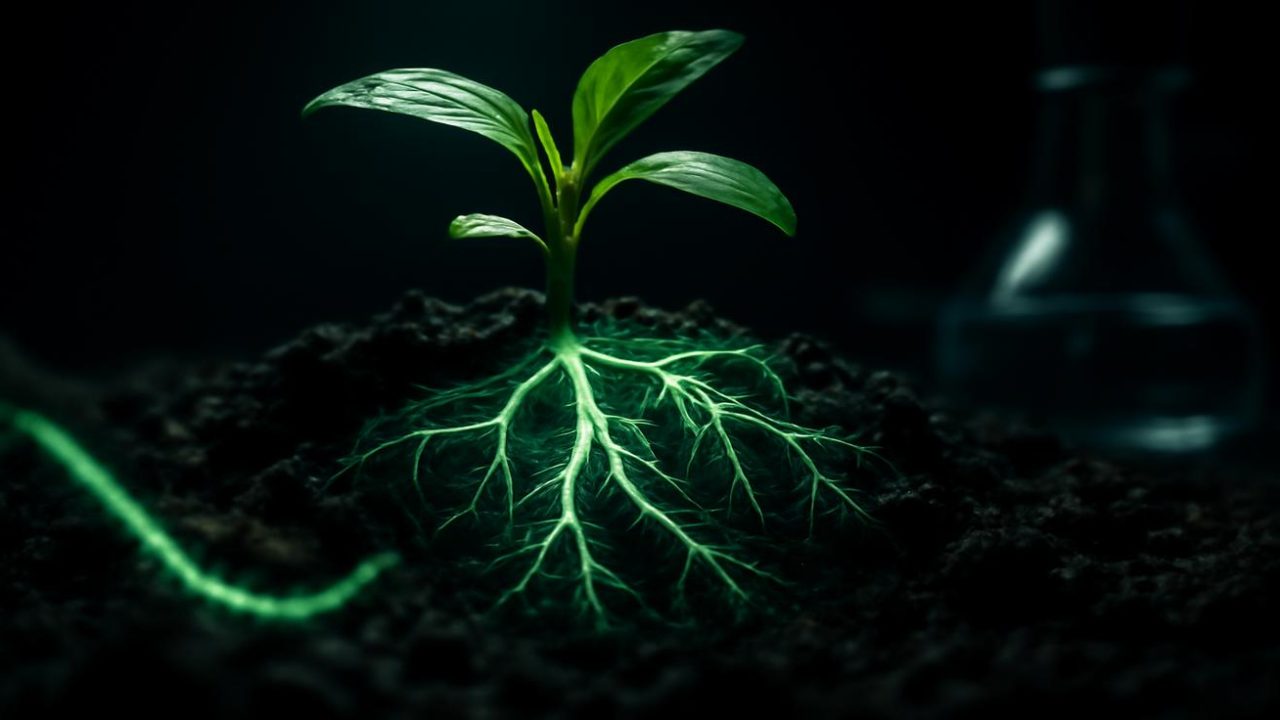
A small, unassuming plant growing in the rust-red soil of southern China may hold the key to revolutionizing how we obtain the metals that power our modern world. Chinese scientists have discovered that Phytolacca acinosa, a weedy-looking species thriving near rare earth mining sites, can do something no other known plant on Earth can do: extract and concentrate rare earth metals from contaminated soil.
The discovery emerged when researchers exploring vegetation around mining sites noticed something extraordinary. While most plants struggled in the metal-rich dirt, this particular species was thriving, its roots running through soil laced with rare earth elements like lanthanum, cerium, and neodymium.
When scientists analyzed the plant’s tissues in laboratory tests, the results were shocking. The concentrations of rare earth elements in the leaves weren’t just slightly elevated—they were dramatically, almost impossibly high, making this plant what researchers call a “hyperaccumulator.”

What Makes This Plant Discovery So Significant
To understand why this matters, consider the device you’re reading this on right now. Your smartphone contains multiple rare earth metals working behind the scenes. Neodymium and dysprosium create the powerful magnets in your speakers and vibration motor. Europium and terbium produce the vivid colors on your screen. Lanthanum and cerium help form and polish the glass lenses.
But rare earth metals power far more than consumer electronics. Wind turbines, electric vehicle motors, missile guidance systems, medical scanners, fiber optic networks, and satellites all depend heavily on these elements. In the 21st century, rare earths serve the same essential role that steel played during the Industrial Revolution.
Despite their name, rare earth elements aren’t actually rare in Earth’s crust. The problem is they’re widely dispersed and rarely found in concentrated deposits. Current extraction methods require digging massive open pits, crushing tons of rock, and washing the powdered earth with acids and harsh chemicals.

This process is environmentally devastating. Rivers turn murky, landscapes are permanently altered, and the energy requirements are enormous. The newly discovered plant could potentially offer a cleaner, more sustainable alternative.
How the Metal-Drinking Plant Actually Works
The Chinese researchers found their remarkable specimen growing in places most people wouldn’t look twice—hillsides scraped by human activity, marginal soil stripped of nutrients, areas contaminated by mining operations. Where other plants saw toxic wasteland, Phytolacca acinosa saw opportunity.
The plant operates as a biological mining system. Its roots penetrate soil rich in rare earth elements, absorbing these metals and transporting them throughout the plant’s tissues. What would be toxic or lethal concentrations for most species become concentrated stores of valuable materials within this hyperaccumulator.

This natural process represents a form of “phytomining”—using plants to extract metals from contaminated soil. The concept isn’t entirely new; scientists have previously identified plants that can accumulate metals like nickel, zinc, or cadmium. But this appears to be the first known species capable of concentrating rare earth elements.
| Rare Earth Element | Common Applications | Current Extraction Method |
|---|---|---|
| Neodymium | Magnets in speakers, hard drives, wind turbines | Open-pit mining, chemical processing |
| Lanthanum | Camera lenses, rechargeable batteries | Rock crushing, acid washing |
| Cerium | Glass polishing, catalytic converters | Chemical separation from ore |
| Europium | LED phosphors, display screens | Complex chemical extraction |
The Environmental and Economic Implications
Traditional rare earth mining leaves behind a trail of environmental destruction. The process generates enormous amounts of waste—for every ton of rare earth metals extracted, thousands of tons of contaminated soil and rock are left behind. Toxic chemicals used in processing can leach into groundwater, and the energy requirements contribute significantly to carbon emissions.
A plant-based extraction system could potentially address multiple problems simultaneously. The hyperaccumulator could help remediate contaminated mining sites while simultaneously harvesting valuable metals. Instead of digging new mines, companies could cultivate these plants on existing damaged land.

The economic implications are equally significant. China currently dominates rare earth production, controlling roughly 80% of global supply. A biological extraction method could potentially democratize rare earth production, allowing other countries to develop their own sustainable sources.
However, the practical challenges remain substantial. Plant-based extraction would likely be much slower than conventional mining. Growing, harvesting, and processing plants to extract metals would require developing entirely new industrial processes.
What Happens Next in This Research
The Chinese scientists’ discovery represents just the beginning of what could be a lengthy development process. Researchers will need to conduct extensive studies to understand exactly how the plant concentrates rare earth elements and whether the process can be optimized.

Key questions remain unanswered. Can the plant’s metal-accumulating abilities be enhanced through selective breeding or genetic modification? How much land would be required to produce commercially viable quantities of rare earth metals? What would be the most efficient methods for extracting and purifying metals from harvested plant material?
Scientists will also need to investigate whether similar hyperaccumulating abilities exist in other plant species or could be developed through biotechnology. The discovery of one such plant suggests others may exist, waiting to be found in contaminated soils around the world.
The timeline for commercial applications remains uncertain, but the potential impact is enormous. If plant-based rare earth extraction proves viable, it could fundamentally change how we think about mining, environmental remediation, and sustainable technology production.

Frequently Asked Questions
What is Phytolacca acinosa and where does it grow?
It’s a weedy-looking plant species that thrives in contaminated soil around rare earth mining sites in southern China, particularly in areas where other plants struggle to survive.
How does this plant extract rare earth metals from soil?
The plant’s roots absorb rare earth elements from contaminated soil and concentrate them in its tissues at levels that would be toxic to most other species.
Could this plant replace traditional rare earth mining?
While promising, plant-based extraction would likely be much slower than conventional mining and would require developing entirely new industrial processes.

What rare earth elements can this plant accumulate?
Based on the research, the plant can concentrate elements including lanthanum, cerium, and neodymium, which are essential for electronics and clean energy technologies.
When might this technology become commercially available?
The timeline for commercial applications has not been confirmed, as this discovery represents early-stage research that will require extensive further study.
Are there other plants that can do something similar?
This appears to be the first known species capable of accumulating rare earth elements, though other plants can concentrate different metals like nickel or zinc.












Leave a Comment