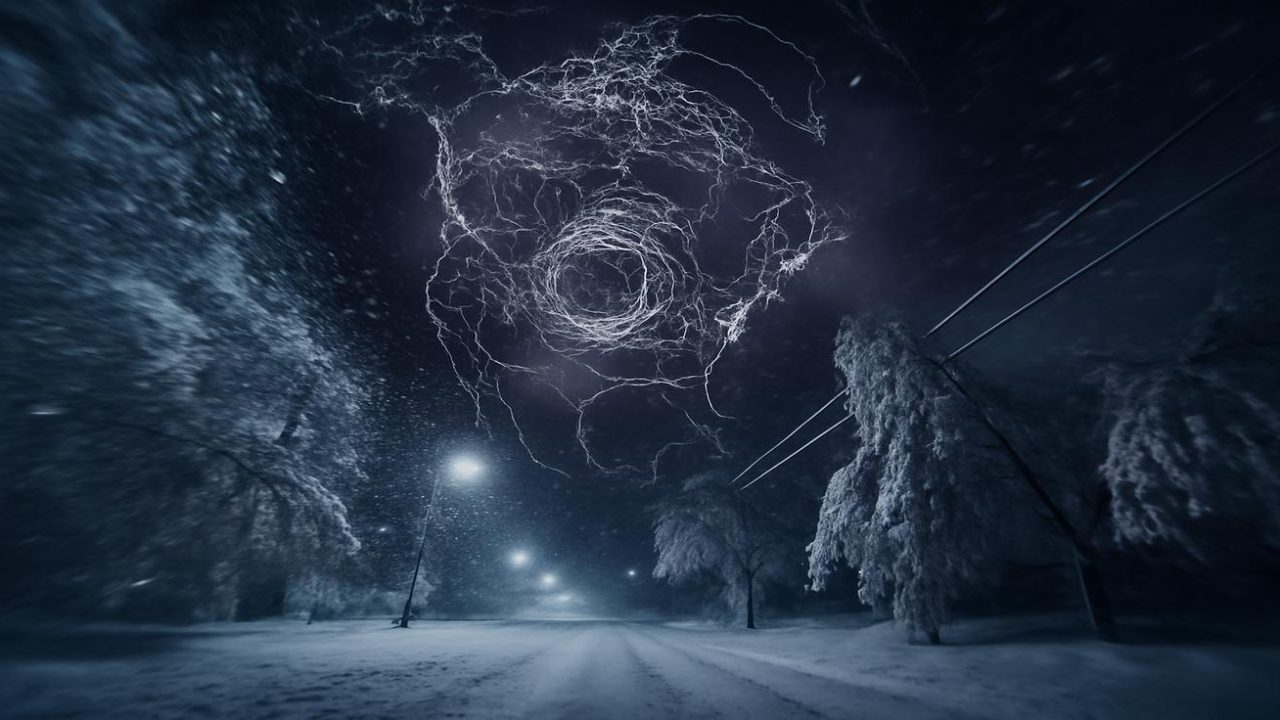
A rare atmospheric disruption is quietly unfolding tens of miles above the Arctic, and meteorologists warn it could deliver an unexpectedly harsh punch to March weather patterns across North America and beyond.
The polar vortex—a massive spinning ring of frigid air that normally keeps Arctic cold locked in place—has begun to weaken and shift from its usual position. This atmospheric wobble, known as a sudden stratospheric warming event, often triggers a domino effect that can plunge regions into deeper cold just when spring should be taking hold.
The disruption represents a significant departure from normal winter patterns, with the potential to turn March from a transitional spring month into something resembling a January reboot.

How the Polar Vortex Actually Works
Despite its ominous name, the polar vortex typically acts more like a guardian than a villain. On normal winter days, this invisible river of wind sits high above the Arctic, functioning as a cold-weather carousel that corrals frigid air where it belongs.
The vortex operates in tandem with the jet stream—the fast-moving ribbon of air that steers storms at lower altitudes. When the polar vortex maintains its tight, symmetrical spin around the North Pole, the jet stream tends to flow smoothly from west to east, keeping the deepest Arctic cold largely bottled up in polar regions.
But this winter, that orderly system has begun to break down. High in the stratosphere, waves of energy launched by storms, mountain ranges, and even tropical thunderstorms have been punching upward into the vortex. These disturbances jostle, stretch, and sometimes crack the vortex wide open.

The result is a sudden stratospheric warming—a dramatic temperature rise high above the poles that paradoxically signals deeper cold heading toward lower latitudes.
The Invisible Moment When Everything Changes
The exact moment when the atmosphere flips carries an eerie precision. High above the Arctic, at altitudes between 10 and 30 miles, powerful winds normally race from west to east at incredible speeds.
During a sudden stratospheric warming event, that flow can come to a complete stop and then reverse direction—switching to east-to-west flow instead. Meteorologists watch this wind reversal like detectives studying a crucial clue, because it signals the polar vortex is losing its grip on Arctic air masses.

When this happens, the vortex can stretch like taffy, split into multiple lobes, or slide entirely off the North Pole. Often, these displaced pieces drift toward North America, Europe, or Asia, carrying their cargo of frigid air along for the ride.
The drama unfolds invisibly at first. There’s no sudden darkening of the sky or dramatic weather alerts. Instead, the disrupted energy slowly “drips” downward from the stratosphere into the layers of air people actually breathe.
Why March Could Feel Like January
The chain reaction from a weakened polar vortex doesn’t happen overnight. The effects typically take days or weeks to filter down through the atmosphere, creating a delayed response that can catch regions off guard.

As the disrupted energy reaches lower altitudes, the jet stream begins to buckle and meander instead of flowing in its usual smooth west-to-east pattern. It develops large waves, dips, and loops, resembling a river in flood carving new channels across the landscape.
These looping bends create weather chaos. On one side of a loop, warm air from lower latitudes gets pulled far north, bringing early thaws and rain to places that normally still have snow cover. On the other side, Arctic air spills southward, plunging into regions completely unprepared for deep cold.
| Normal March Conditions | Polar Vortex Disruption Effects |
|---|---|
| Gradual warming trends | Sudden temperature drops |
| Stable jet stream flow | Meandering, looping patterns |
| Predictable spring transition | Extreme weather contradictions |
| Arctic cold stays north | Cold air masses displaced south |
This phenomenon explains how cities that should be flirting with tulip season can suddenly wake up to streets encased in ice, growing snowbanks, and winds that feel like they have teeth.

The Strange Anatomy of Weather Contradictions
People typically imagine seasons as clean transitions—winter giving way to spring in an orderly fashion. But when the polar vortex misbehaves, March becomes a collage of contradictions that defies normal weather expectations.
The sun’s angle and daylight hours continue their normal progression toward spring, even as Arctic air masses invade regions hundreds or thousands of miles south of where they belong. This creates a surreal disconnect between astronomical spring and actual weather conditions.
Different regions can experience wildly different effects simultaneously. While one area endures unexpected blizzards and ice storms, locations just a few hundred miles away might see unseasonably warm temperatures and early snowmelt.

The atmospheric disruption essentially reshuffles the normal distribution of cold and warm air across continents, creating a patchwork of extreme conditions that can persist for weeks.
What Forecasters Are Watching Now
Current atmospheric models show the polar vortex has already begun its characteristic weakening and displacement pattern. The tight, symmetrical circulation that normally characterizes a healthy vortex has started to wobble and stretch.
Meteorologists are tracking how this disruption propagates downward through atmospheric layers. The key question is timing—how quickly the effects will reach surface weather patterns and which regions will bear the brunt of displaced Arctic air.

The stratospheric warming event appears to be following patterns similar to previous disruptions that led to significant late-winter and early-spring cold snaps. However, each polar vortex event unfolds somewhat differently, making precise predictions challenging.
Weather models are showing increased probability of temperature departures from normal across large portions of North America and Europe during March, with the potential for conditions more typical of January or February.
Frequently Asked Questions
What exactly is the polar vortex?
The polar vortex is a large area of spinning cold air that normally sits high above the Arctic, acting like a barrier that keeps frigid temperatures locked in polar regions.

How long do polar vortex disruptions typically last?
The effects can persist for several weeks once they reach surface weather patterns, though the exact duration varies with each event.
Which areas are most likely to be affected?
North America and Europe typically see the most significant impacts, though the specific regions affected depend on how the vortex splits or displaces.
Can meteorologists predict these events accurately?
Scientists can detect when the stratospheric warming begins, but predicting exactly when and where surface impacts will occur remains challenging.
Is this related to climate change?
The relationship between polar vortex behavior and climate change is still being studied, with ongoing research examining potential connections.
How should people prepare for potential March cold snaps?
Keep winter clothing accessible, maintain emergency supplies, and stay updated on local weather forecasts as conditions can change rapidly during these events.










Leave a Comment