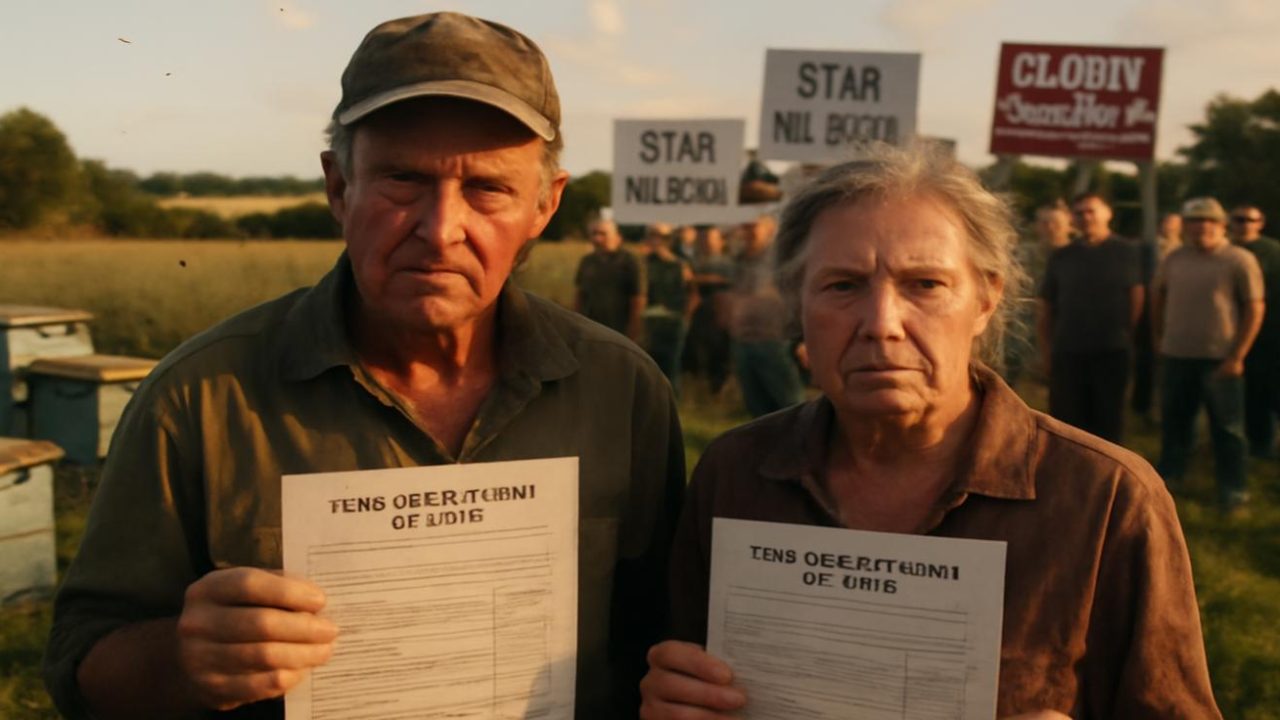
When retired landowners who generously lend their fields to struggling beekeepers suddenly receive tax bills several times their normal amount, it raises a fundamental question: Is the state unfairly punishing generosity, or finally closing loopholes that allow hobbyists to claim agricultural tax breaks meant for real farmers?
This exact scenario is playing out across rural communities as states reassess what qualifies as legitimate agricultural use. The consequences can be financially devastating for property owners who thought they were simply helping local beekeepers while maintaining open space.
The issue sits at the intersection of agricultural policy, tax law, and changing definitions of what constitutes a working farm in modern America.

How Agricultural Tax Breaks Work—And Why They Matter
Agricultural use exemptions exist in most states to keep farming economically viable. These programs assess farmland at its agricultural value rather than its full market value, which can mean the difference between a manageable tax bill and one that forces landowners to sell.
The system works well when applied to traditional farms with clear commercial activity. But complications arise with smaller operations, part-time farming, and arrangements like beekeeping partnerships between landowners and independent operators.
For years, many states took a relatively relaxed approach to these arrangements. A few beehives on a back field, some cattle grazing, or even hay production could qualify land for reduced taxation. The understanding was that these activities supported agriculture and kept land in productive use.

That approach is changing as state budgets face pressure and tax officials scrutinize whether these arrangements truly constitute commercial agriculture or simply provide tax advantages for what are essentially residential properties with hobby farming elements.
The Real-World Impact on Landowners and Beekeepers
The story often begins with good intentions. Retired landowners with unused acreage meet local beekeepers who need space for their hives. The arrangement seems beneficial for everyone: the landowner gets to see their land put to productive use, the beekeeper gets affordable access to space, and the community benefits from pollinator habitat.
These informal partnerships typically involve minimal paperwork and token payments, if any. The landowner might receive some honey at harvest time, while the beekeeper maintains the hives and keeps access areas mowed.

Problems emerge when state tax assessors review these arrangements more closely. Key factors they examine include:
- Whether the operation generates meaningful commercial income
- The scale and intensity of agricultural activity
- Formal documentation of farming operations
- Evidence of business-level management and investment
When properties fail to meet stricter criteria, landowners face retroactive tax bills that can reach thousands of dollars annually. For retirees on fixed incomes, these unexpected costs can force difficult decisions about keeping property that may have been in their families for generations.
Where the Line Gets Drawn Between Farms and Hobbies
The challenge for tax officials lies in distinguishing between legitimate agricultural operations deserving of tax relief and arrangements that primarily benefit property owners seeking lower taxes.

States are implementing more stringent requirements for agricultural exemptions. Some now require minimum acreage thresholds, documented income from farming activities, or evidence of commercial-scale operations.
| Traditional Criteria | Stricter Modern Requirements |
|---|---|
| Presence of agricultural activity | Documented commercial income |
| Informal arrangements accepted | Formal lease agreements required |
| Small-scale operations qualify | Minimum production thresholds |
| Landowner intent considered | Business-level management required |
The shift reflects broader questions about agricultural policy in an era when traditional farming faces economic pressures while suburban and exurban development increases land values dramatically.
Beekeeping presents particular challenges for assessment because it requires relatively little land but can constitute legitimate agricultural activity. A few acres can support numerous hives and significant honey production, but determining whether an operation is commercial or recreational isn’t always straightforward.

The Broader Policy Questions at Stake
This issue extends beyond individual tax bills to fundamental questions about land use policy and agricultural support. States must balance several competing interests:
Revenue needs drive pressure to ensure tax exemptions go only to legitimate agricultural operations. Local governments depend on property tax revenue for schools, infrastructure, and public services.
Agricultural preservation goals suggest that keeping land in any form of productive use serves public interests, even if operations are small-scale or part-time.

Environmental benefits from activities like beekeeping provide value beyond simple agricultural production, supporting pollinator populations crucial for broader ecosystem health.
Equity concerns arise when wealthy landowners can afford to maintain token agricultural activities primarily to reduce their tax burden, while genuine farmers struggle with economic pressures.
The tension reflects changing rural economies where traditional farming often isn’t economically viable on smaller properties, but alternative arrangements can provide meaningful agricultural and environmental benefits.

What Property Owners Need to Know
Landowners currently benefiting from agricultural exemptions should review their arrangements to ensure they meet evolving state requirements. This review becomes especially important given that tax reassessments can result in retroactive bills covering multiple years.
Documentation proves crucial in these situations. Formal lease agreements, records of agricultural income, and evidence of commercial-level management can help support exemption claims when properties face review.
The informal handshake agreements that worked for decades may no longer provide sufficient protection under stricter enforcement standards.

Property owners should also understand that state policies continue evolving. What qualifies for agricultural exemption today may not meet future requirements as states refine their approaches to these programs.
For beekeepers and landowners considering new arrangements, establishing clear documentation from the beginning can prevent problems later. This includes formal agreements outlining responsibilities, payment structures, and evidence that the operation constitutes genuine agricultural activity rather than a hobby arrangement.
Frequently Asked Questions
What makes beekeeping qualify for agricultural tax exemptions?
States typically require evidence of commercial-scale operations with documented income and formal management structures, not just the presence of hives.
Can landowners lose agricultural exemptions retroactively?
Yes, when states reassess properties and find they don’t meet agricultural use requirements, landowners may face back taxes covering multiple years.
Do informal arrangements between landowners and beekeepers still work?
Many states now require formal documentation and evidence of commercial operations, making handshake agreements insufficient for tax purposes.
How can property owners protect their agricultural exemptions?
Maintaining detailed records of agricultural income, formal lease agreements, and evidence of commercial-level operations helps support exemption claims during reviews.
Are states changing these policies nationwide?
The source material indicates this is happening across many rural and semi-rural communities, but specific state-by-state details aren’t provided.
What happens to beekeepers when these arrangements end?
The source material doesn’t specify the impact on beekeepers when landowners lose agricultural exemptions and can no longer afford to continue arrangements.











Leave a Comment