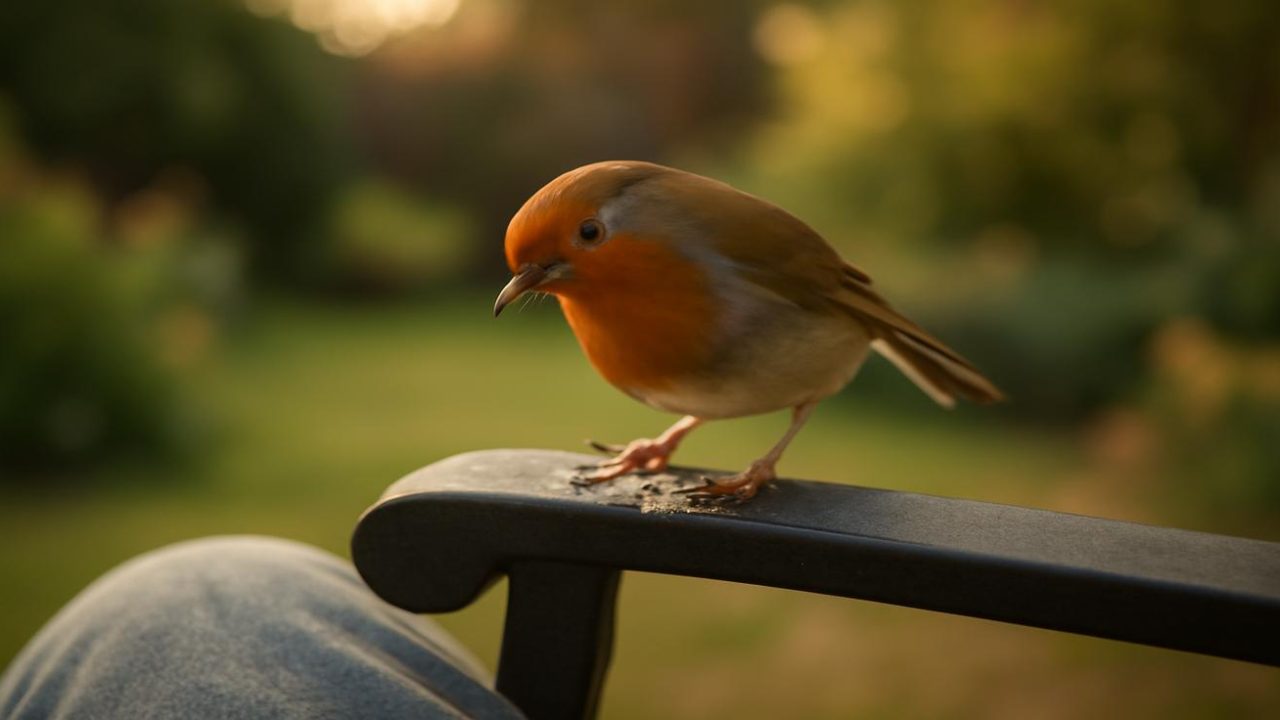
A simple kitchen staple sitting in your cupboard right now could be the key to bringing robins within arm’s reach of your back door this winter. According to RSPCA-approved feeding guidance, plain porridge oats combined with mild grated cheese can transform your garden into a winter survival station that draws these bold, curious birds incredibly close.
This isn’t about complicated bird feeding setups or expensive specialty seeds. It’s about two humble ingredients that most households already have, offered correctly during the months when a robin’s survival hangs by the thinnest of margins.
Winter feeding has become increasingly important as harsh weather strips gardens of their natural food sources, leaving small birds to face a daily marathon chase for the calories they need to survive each freezing night.

Why Winter Is Make-or-Break for Garden Robins
For a bird the size of a robin, winter survival comes down to razor-thin margins. The fat reserves they build during the day serve as their only central heating through long, freezing nights. Lose too much energy, and they simply don’t wake up.
Their normal warm-weather menu tells the story of winter’s challenge. Robins typically feast on insects, spiders, worms, and other invertebrates, plus berries and seeds. After a week of hard frost or snow, that same menu becomes nearly impossible to access.
The ground freezes solid, sending worms deep underground. Insects become scarce. Even berry-laden hedges get stripped quickly by competing wildlife. Each day becomes a desperate search for enough calories to fuel another night’s survival.

This reality is exactly why the RSPCA and other animal welfare organizations encourage winter feeding when done safely and sensibly. The goal isn’t to tame birds or create dependency, but to offer reliable energy top-ups, especially at dawn and late afternoon when their internal fuel tanks run emptiest.
Robins have a particular advantage when it comes to finding human offerings. Unlike many garden birds that flit nervously at the slightest movement, robins are famously bold and curious. They’re territorial and alert, keeping close watch on everything happening in their patch.
The RSPCA-Approved Kitchen Combination That Works
Hidden among the flour, tins, and pasta in most kitchen cupboards sits a winter lifeline for robins and other small garden birds. The RSPCA notes that certain everyday foods can serve as safe, useful supplements during winter months.

Two of the most robin-friendly options are already in your kitchen:
- Plain porridge oats (uncooked) – An easy, energy-rich food that provides essential carbohydrates
- Mild, low-salt grated cheese – A protein and fat boost especially helpful during cold snaps
The key lies in knowing how to offer these foods correctly. Used improperly, the same kitchen staples that could save a bird’s life might do more harm than good. Used correctly, they create a tiny winter survival buffet that can mean the difference between a night survived or lost for a fast-metabolizing small bird.
Put these foods down regularly in a visible spot, and robins will quickly add your garden to their winter survival map as a dependable stop on their daily circuit. Their naturally curious nature means they’ll often hop right up to investigate, sometimes landing no more than an arm’s length away from patient observers.

How to Set Up Your Robin Feeding Station
Creating an effective winter feeding station requires more than just scattering oats and cheese in your garden. Proper placement and presentation make the difference between success and wasted effort.
The feeding area should be visible but offer quick escape routes to nearby cover. Robins are bold but not foolish – they need to feel they can dart to safety if needed. A spot near hedges or shrubs works well, giving them confidence to venture out and investigate.
| Food Type | Serving Size | Best Time | Key Benefits |
|---|---|---|---|
| Plain porridge oats | Small handful | Early morning, late afternoon | Energy-rich carbohydrates |
| Mild grated cheese | Pinch (low-salt only) | During cold snaps | Protein and fat boost |
Timing matters as much as placement. Dawn and late afternoon represent the times when robins most desperately need energy top-ups. Their metabolism runs so fast that they wake each morning having burned through most of their previous day’s fuel reserves.

Use a shallow dish or plate that won’t tip easily in wind. White or light-colored containers help make the food more visible against winter’s muted palette. Clean the feeding area regularly to prevent the buildup of harmful bacteria or mold.
What Makes Robins Different from Other Garden Birds
Robins stand out among British garden birds for their remarkable boldness around humans. While most species maintain careful distance, robins actively seek out human activity, particularly gardening work that might disturb soil and reveal hidden insects.
This curiosity extends to feeding stations. Where other birds might observe cautiously from afar before approaching, robins often investigate immediately. They’ll hop right up to assess both the food and the person providing it, tilting their heads to study the situation with bright, alert eyes.

Their territorial nature works in favor of consistent feeding. A robin that claims your garden as part of its territory will patrol regularly, quickly noticing and remembering reliable food sources. They’re intelligent enough to incorporate human-provided feeding stations into their daily survival routine.
During winter, you might notice robins puffing their feathers against the cold, making them appear rounder and more Christmas-card-like than their sleeker warm-weather appearance. This fluffed appearance actually serves as insulation, trapping warm air close to their bodies.
Building Long-Term Success with Winter Bird Feeding
Consistency matters more than quantity when it comes to successful robin feeding. Small, regular offerings work better than occasional large portions that might spoil or attract unwanted pests.

Start slowly if you’re new to bird feeding. Put out small amounts and observe what gets eaten and what gets left behind. Robins will quickly establish patterns, often arriving at similar times each day once they’ve learned to trust your feeding station.
Weather watching becomes part of the routine. During particularly harsh spells – heavy frost, snow, or freezing rain – birds need feeding stations most desperately. These are the times when natural food sources become completely inaccessible and human intervention can literally save lives.
Keep a simple log of what you observe. Note which foods disappear fastest, what times of day bring the most activity, and how weather affects feeding behavior. This information helps you fine-tune your approach and maximize the benefit to your garden’s robin population.

Remember that successful winter feeding creates a responsibility. Once birds begin depending on your feeding station, consistency becomes crucial through the entire cold season. Sudden disruptions can leave birds scrambling to find alternative food sources just when they need energy most.
Frequently Asked Questions
Is it safe to feed robins cheese during winter?
Yes, mild, low-salt grated cheese provides beneficial protein and fat, but should be offered in small amounts as a supplement, not a primary food source.
How quickly will robins find food I put out?
Robins are naturally curious and territorial, so they typically notice new food sources within minutes to hours if placed in visible locations within their territory.
Should I continue feeding robins throughout the entire winter?
Yes, consistency is crucial once birds begin relying on your feeding station, as sudden disruptions can leave them struggling to find alternative food sources.
What time of day is best for putting out food for robins?
Early morning and late afternoon are ideal, as these are when robins’ energy reserves are lowest and they most need caloric top-ups.
Can I use flavored or instant oats instead of plain porridge oats?
No, only plain, uncooked porridge oats are recommended, as flavored varieties may contain ingredients harmful to birds.
Will feeding robins make them dependent on humans?
Properly managed feeding provides supplemental energy rather than complete nutrition, helping birds survive harsh conditions without creating unhealthy dependency.











Leave a Comment