
Picture this: you’re finally on that vacation you’ve been planning for months, lying on a perfect beach with nothing urgent demanding your attention. Yet somehow, your chest feels tight. Your mind races. That familiar knot of anxiety sits in your stomach, even though everything around you screams “relax.” You’re not alone in this puzzling experience—psychology reveals why emotional tension often peaks precisely when life gives us permission to slow down.
This counterintuitive phenomenon affects millions of people who find themselves most anxious during their calmest moments. The explanation lies deep in how our brains and bodies process stress, memory, and the sudden absence of external demands.
Understanding why we feel tense during peaceful periods can help us navigate these uncomfortable moments with greater self-compassion and practical strategies.

Why Your Brain Struggles With Genuine Calm
Our nervous systems weren’t designed for extended periods of tranquility. Evolutionary psychology suggests our brains developed sophisticated threat-detection systems that helped our ancestors survive in dangerous environments. These same systems continue operating today, even when the threats are metaphorical rather than physical.
When external noise and demands suddenly disappear, your brain doesn’t simply switch off its vigilance mode. Instead, it turns that scanning mechanism inward, searching for problems to solve or dangers to anticipate. The quiet forest trail that should feel peaceful becomes a backdrop for worries about unanswered emails, family safety, or future uncertainties.
This internal contradiction—feeling anxious in objectively calm situations—reflects a fundamental mismatch between our ancient wiring and modern life. Your brain treats the absence of obvious stressors not as safety, but as an opportunity to process unfinished emotional business.

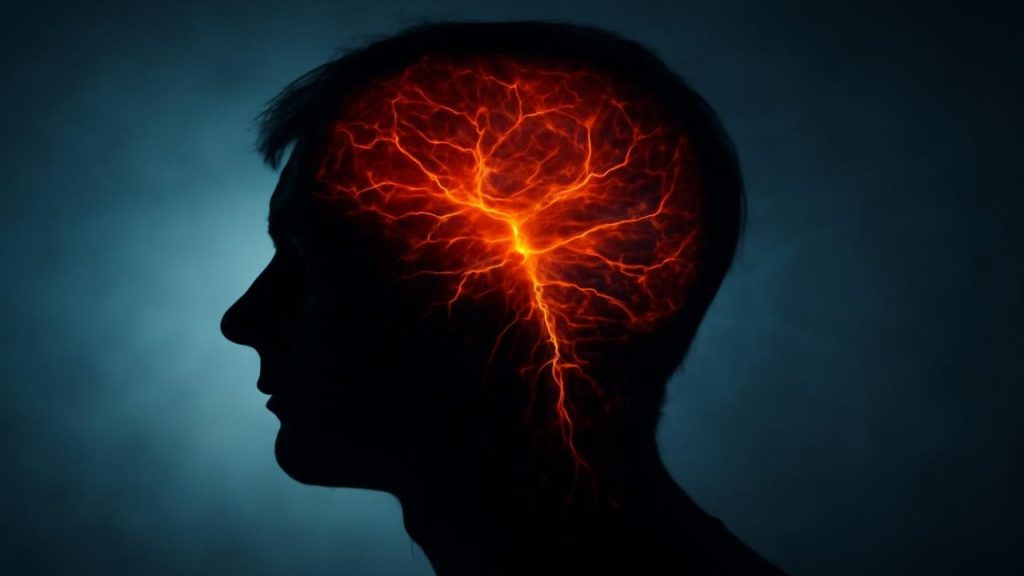
Research in neuroscience shows that our minds function more like echo chambers than mirrors. They carry forward traces of earlier stress, unresolved conflicts, and learned patterns of hypervigilance that don’t automatically disappear when circumstances improve.
How Your Body Stores and Releases Tension
One of the most important insights from trauma research is that the body rarely forgets stressful experiences, even after the mind has moved on. Your muscles may stay slightly contracted, your breathing might remain shallow, and your nervous system can continue operating in a state of subtle alarm long after the triggering situation has resolved.
This creates a delayed reaction pattern that many people recognize but don’t fully understand. During active crisis periods—whether it’s a demanding work project, family emergency, or health scare—people often function with remarkable efficiency and focus. The body’s stress response system mobilizes resources and maintains alertness.

The tension appears later, when the crisis passes and the body no longer needs to “power through.” Friday evening arrives, you finally sit down, and suddenly you feel that racing heart, tight shoulders, or overwhelming sense of restlessness. The calm doesn’t feel good initially—it feels like an unwinding that brings discomfort to the surface.
Even smaller daily stresses accumulate in this way. You might hold tension in your jaw during difficult conversations, restrict your breathing during challenging meetings, or maintain subtle muscle contractions throughout busy days without conscious awareness.
The Physical Reality of Emotional Tension During Calm Periods
Understanding what happens in your body during these moments can help normalize the experience and reduce the secondary anxiety that often accompanies it.

| Physical Response | What’s Happening | Why It Occurs During Calm |
|---|---|---|
| Muscle tension | Shoulders, jaw, and neck remain contracted | Body hasn’t received signal to fully release defensive postures |
| Shallow breathing | Chest breathing instead of deep diaphragmatic breathing | Nervous system still in subtle alert mode |
| Racing thoughts | Mind scanning for problems or unfinished tasks | Brain’s threat-detection system remains active |
| Restlessness | Feeling unable to sit still or truly relax | Energy mobilized for action has nowhere to go |
| Sleep disruption | Difficulty falling asleep despite exhaustion | Hypervigilance patterns persist even when tired |
These responses aren’t character flaws or signs of weakness—they’re normal adaptations that served important survival functions. The challenge is learning to work with them rather than fighting against them.
Why This Matters for Your Daily Life
Recognizing this pattern can fundamentally change how you approach rest and relaxation. Instead of expecting immediate peace when you finally have downtime, you can anticipate a transition period where your system gradually shifts from alertness to genuine calm.
This understanding is particularly relevant for people who struggle with vacation anxiety, weekend restlessness, or difficulty enjoying peaceful moments. The tension you feel isn’t evidence that something is wrong—it’s evidence that your nervous system is processing and releasing accumulated stress.

Many people compound the problem by judging themselves for feeling anxious during “good” times. They think they should be grateful, relaxed, and present. This self-criticism adds another layer of stress on top of the original tension, creating a cycle that’s harder to break.
Professional contexts also benefit from this awareness. Understanding why teams might feel unsettled after completing major projects, or why individuals struggle during traditionally quiet periods, can inform better workplace mental health approaches.
Working With Your Natural Patterns
Rather than fighting against these natural responses, psychology suggests working with them. This might involve:

- Allowing transition time between high-stress periods and expected relaxation
- Engaging in gentle physical movement to help release stored tension
- Practicing breathing exercises that signal safety to your nervous system
- Acknowledging the discomfort without trying to immediately fix it
- Creating structured activities during downtime rather than expecting spontaneous peace
The goal isn’t to eliminate all tension during calm periods, but to develop a healthier relationship with these natural fluctuations. Some people find that accepting the initial discomfort actually allows it to pass more quickly than resisting it.
Progressive relaxation techniques, mindfulness practices, and somatic approaches can help train your nervous system to recognize safety cues more readily. However, these skills develop gradually and require patience with the learning process.
Frequently Asked Questions
Why do I feel more anxious on weekends than during busy weekdays?
Your nervous system may still be processing the accumulated stress from the week, and the sudden absence of external demands allows that tension to surface into conscious awareness.

Is it normal to feel restless during vacation even when I desperately needed the break?
Yes, this is extremely common. Your body and mind need time to transition from high-alert mode to genuine relaxation, which can take several days or even longer.
Does this tension during calm periods indicate an anxiety disorder?
Not necessarily. This pattern can occur in people without clinical anxiety disorders as a normal response to stress accumulation and release.
How long does it typically take for this tension to resolve during peaceful periods?
The timeline varies greatly between individuals and depends on factors like stress levels, duration of previous demands, and personal coping resources.

Can I prevent this tension from occurring during downtime?
Complete prevention may not be realistic, but developing awareness and gentle coping strategies can reduce the intensity and duration of these episodes.
Should I seek professional help for tension during calm periods?
Consider professional support if the tension significantly interferes with your ability to rest, enjoy downtime, or function normally during peaceful periods.









Leave a Comment