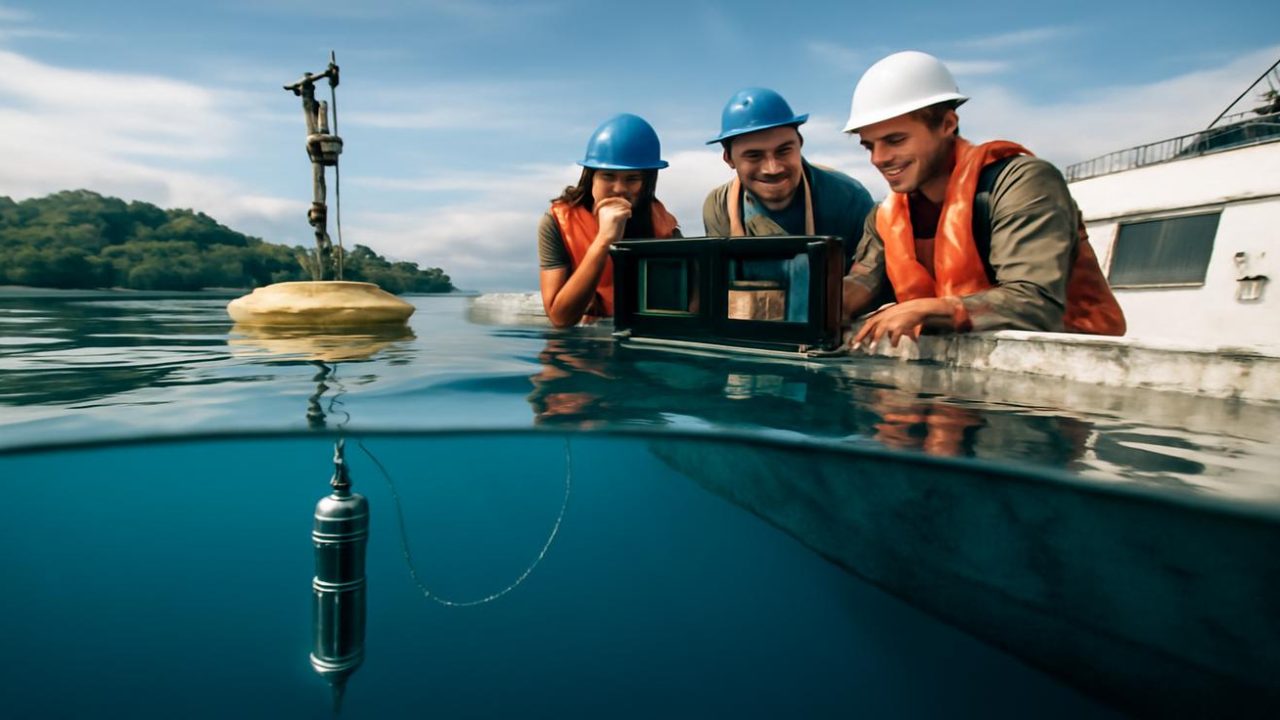
For the first time in four decades, Panama’s Pacific waters have experienced a complete failure of upwelling—the critical process that brings nutrient-rich deep waters to the surface each year. The 2023-2024 season marked an unprecedented break in a natural cycle that coastal communities have depended on for generations.
This isn’t just an obscure oceanographic event. The collapse of upwelling along Panama’s coast represents a fundamental disruption to marine ecosystems that support entire fishing communities and regional food webs.
The absence of this annual phenomenon has left fishermen staring at empty nets and scientists scrambling to understand what went wrong in one of the ocean’s most reliable systems.

Understanding Panama’s Missing Ocean Upwelling
Upwelling typically occurs from late winter into early spring when winds and ocean currents work together to push warm surface waters aside. Cold, nutrient-laden waters from hundreds of meters below then rise to replace them, creating an underwater elevator that delivers phosphates, nitrates, and trace minerals directly into sunlit waters.
This process transforms the coastal ecosystem almost overnight. Microscopic plants called phytoplankton use these nutrients to fuel massive population blooms, turning tropical blue waters slightly green as productivity explodes. The timing has been so reliable that fishing communities plan their entire seasonal cycles around it.
During the 2023-2024 season, scientists monitoring offshore instruments recorded water temperatures that stayed stubbornly warm near the surface. Nutrient readings remained low throughout the period when they should have spiked. Plankton numbers failed to rise as expected.

The deep, cold waters simply stayed where they were, hoarding their nutrients in the darkness below while surface ecosystems waited for a delivery that never came.
The Invisible Chain Reaction Reshaping Marine Life
The failure of upwelling triggers a cascade of effects that moves from microscopic organisms to large predators. Understanding this chain reaction reveals why a seemingly invisible process matters so much to entire ecosystems.
When upwelling delivers nutrients, phytoplankton—the drifting plants of the sea—explode in abundance. These microscopic organisms capture sunlight and convert it into chemical energy, forming the foundation of ocean food webs. Without the nutrient boost from deep waters, their growth becomes severely limited.
Zooplankton, the tiny animals that graze on these floating meadows, depend entirely on phytoplankton abundance. Fewer plant plankton means fewer animal plankton, breaking the crucial bridge between the ocean’s plant world and larger marine life.
| Marine Life Level | Normal Upwelling Response | 2023-2024 Observed Impact |
|---|---|---|
| Phytoplankton | Massive population blooms | Stunted growth, low numbers |
| Zooplankton | Abundant grazing opportunities | Reduced populations |
| Small fish (anchovies, sardines) | Dense schools near surface | Scattered, fewer numbers |
| Seabirds | Concentrated feeding activity | Circling with confusion |
| Large predators | Follow prey to coast | Disrupted migration patterns |
The effects ripple upward through the food web. Small schooling fish like anchovies and sardines, which normally form dense silver clouds near the surface during upwelling season, remained scattered and sparse. Seabirds that time their breeding and feeding cycles to this annual feast found themselves circling over barren waters.
How Fishing Communities Felt the Ocean’s Silence
For coastal communities along Panama’s Pacific shore, the missing upwelling meant more than just scientific curiosity—it represented a fundamental disruption to their way of life. Fishermen who have learned to read the ocean’s moods through decades of experience found themselves facing waters that felt strangely flat and unresponsive.
The absence wasn’t immediately dramatic. There were no crashing waves or violent storms to signal that something had gone wrong. Instead, the change crept in through empty fishing nets, through the long puzzled pauses at docks when fishermen stared into clear but strangely barren water.
Local fishing communities live in step with the sea’s predictable rhythms. They know when water will turn cooler, when schools of fish will appear, when larger predators will shadow the coast. This cycle has been as dependable as seasons or moon phases—until it wasn’t.
Market stalls that normally fill with fresh catch during upwelling season remained sparse. The economic ripple effects extended beyond just fishermen to include fish processors, market vendors, and restaurant owners who depend on seasonal abundance.
Climate Patterns and the Future of Ocean Upwelling
Scientists observed the 2023-2024 upwelling failure against the backdrop of a strengthening El Niño in the equatorial Pacific. While researchers expected some changes to the timing or intensity of upwelling, few anticipated a complete failure of the system.
El Niño events typically disrupt normal ocean circulation patterns across the Pacific, but the complete absence of upwelling for an entire season represents something beyond typical climate variability. The event has prompted questions about whether this represents a one-time anomaly or a sign of more fundamental changes in ocean circulation patterns.
Ocean upwelling systems support some of the world’s most productive marine ecosystems. Similar upwelling zones exist along the coasts of Peru, Chile, California, and West Africa. Understanding what caused Panama’s system to fail completely could provide insights into the vulnerability of these critical marine processes.

The 40-year gap since the last upwelling failure means that most current fishermen, marine biologists, and coastal residents have never experienced anything like this before. The event serves as a stark reminder of how much human communities and marine ecosystems depend on the ocean’s invisible rhythms.
What Scientists Are Learning from the Ocean’s Disruption
The complete failure of Panama’s upwelling system has provided researchers with an unprecedented opportunity to study what happens when a fundamental ocean process simply stops working. Instruments anchored offshore during the 2023-2024 season recorded detailed data about temperature, nutrient levels, and current patterns during the absence of normal upwelling.
This data represents a unique scientific record of ecosystem disruption in real time. Researchers can now track exactly how the absence of deep-water nutrients affects each level of the marine food web, from microscopic plankton to large predators.
The event also highlights gaps in scientific understanding of what triggers and maintains upwelling systems. While oceanographers understand the general mechanics of how winds and currents drive upwelling, predicting when and why these systems might fail completely remains challenging.
Satellite imagery during the period showed that Panama’s coastal waters maintained their tropical blue color throughout the season when they should have shifted toward green, indicating the absence of the productivity blooms that normally accompany upwelling.
Frequently Asked Questions
What exactly is ocean upwelling?
Upwelling occurs when winds and currents push warm surface waters aside, allowing cold, nutrient-rich waters from the deep ocean to rise to the surface, fueling marine productivity.

How often does upwelling normally occur off Panama’s coast?
Upwelling typically happens annually from late winter into early spring and has occurred reliably for decades until the 2023-2024 failure.
What caused the upwelling to fail completely?
Scientists observed the failure during a strengthening El Niño event, but the exact mechanisms that caused the complete absence of upwelling are still being studied.
Has this ever happened before in Panama?
This was the first complete upwelling failure in 40 years, making it an unprecedented event for current fishing communities and researchers.
Will upwelling return to normal next season?
This has not yet been confirmed, as scientists are still analyzing the data and monitoring current ocean conditions to understand if this was a one-time event.
How did this affect local fishing communities?
Fishermen experienced empty nets and barren waters during what should have been a productive season, with economic impacts extending to markets and restaurants that depend on seasonal fish abundance.







Leave a Comment