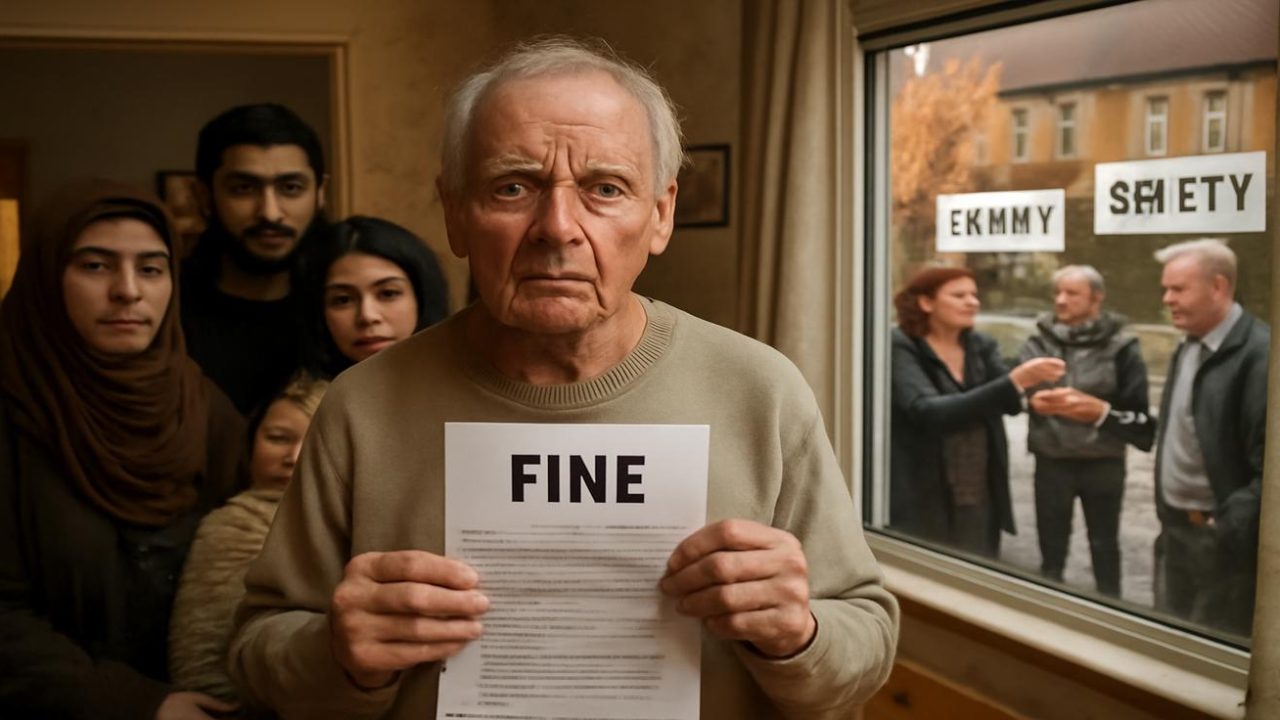
A 73-year-old retired tram driver faces hefty fines for running what city officials call an “unlicensed hostel” after opening his spare room to refugees fleeing war zones. Viktor’s one-bedroom flat has become home to six strangers over the past year, including a mother and son from Kharkiv, two brothers from Aleppo, and an elderly couple from another conflict zone.
The case has divided his working-class neighborhood into opposing camps, sparking fierce debates about safety regulations, community solidarity, and how far individual compassion should extend when it conflicts with municipal law.
What started as quiet acts of kindness has escalated into a legal battle that raises uncomfortable questions about the boundaries between helping refugees and operating commercial lodging services.

When Helping Refugees Becomes “Running a Business”
The trouble began early one morning when city inspectors knocked on Viktor’s door, clipboards in hand. They had received reports that he was operating an unlicensed hostel from his flat at number 42, a tired grey building with peeling paint in a quiet neighborhood.
According to municipal regulations, anyone who regularly houses non-family members in exchange for “material benefit” is effectively running a commercial lodging service. Even small contributions to utilities or occasional bags of groceries from grateful guests can trigger this classification.
Commercial lodging services must meet strict requirements: proper licenses, regular inspections, fire safety systems, automatic closing fire doors, evacuation plans, and official signage. Viktor’s cramped apartment, with its hallway full of muddy shoes and the lingering scent of boiled potatoes, meets none of these standards.

The pensioner, whose income barely keeps pace with rising bread prices, never saw himself as running a business. To him, the steady stream of refugees passing through his spare room represented something entirely different: people in desperate need finding temporary shelter.
A Neighborhood Splits Down the Middle
News of the inspection spread quickly through the building’s stairwells and balconies. By the time the story reached the top floors, Viktor had transformed from the gentle man with the bad hip into someone running an “illegal hostel full of foreigners.”
The first public confrontation erupted at the corner shop over something as mundane as milk. A delivery driver, worn thin by long shifts, muttered complaints about “too many people coming and going” from Viktor’s building. The shopkeeper, who has known Viktor for decades and saves day-old bread he can afford, defended him.

Voices rose as neighbors took sides. Some invoked concerns about “the children” in the building, while others defended “the rules” that everyone should follow equally.
The argument soon migrated online, spreading through neighborhood social media groups where positions hardened into opposing camps. Supporters praised Viktor’s humanitarian efforts, while critics raised legitimate safety concerns about overcrowding and unregulated housing.
The Reality of Refugee Housing Challenges
Viktor’s situation highlights broader challenges facing communities dealing with refugee resettlement. His guests represent diverse displacement stories:

- A young mother and son fleeing violence in Kharkiv
- Two brothers who escaped conflict in Aleppo
- An elderly couple from another war zone Viktor struggles to pronounce but recognizes through their shared trauma
Each stay varies in length, from weeks to months, as people transition between temporary accommodations and more permanent housing solutions. The informal nature of these arrangements often puts well-meaning hosts in legal gray areas.
Municipal housing regulations weren’t designed to accommodate the flexibility needed during humanitarian crises. The gap between emergency housing needs and official processes creates situations where compassionate individuals like Viktor find themselves inadvertently breaking laws designed for commercial operators.
| Housing Requirement | Viktor’s Situation | Compliance Status |
|---|---|---|
| Commercial lodging license | No license obtained | Non-compliant |
| Fire safety systems | Standard residential setup | Non-compliant |
| Automatic fire doors | Regular doors | Non-compliant |
| Evacuation plans | None posted | Non-compliant |
| Regular inspections | Never inspected | Non-compliant |
Safety Concerns vs. Humanitarian Needs
The conflict in Viktor’s neighborhood reflects legitimate concerns on both sides. Safety advocates point to real risks when residential spaces exceed their intended capacity without proper oversight.

Overcrowding can strain building systems, create fire hazards, and impact other residents’ quality of life. Emergency responders need to know how many people might be in a building during crises. These aren’t trivial bureaucratic concerns—they protect lives.
However, supporters argue that rigid application of commercial lodging rules to humanitarian situations criminalizes compassion. They contend that forcing vulnerable refugees back onto streets or into inadequate shelter systems creates greater dangers than Viktor’s informal arrangements.
The debate touches on deeper questions about community responsibility during humanitarian crises. Should regulations designed for profit-driven businesses apply equally to elderly pensioners offering spare rooms to war refugees?

What Happens Next
Viktor now faces the prospect of significant fines for operating without proper licenses and permits. The exact amount hasn’t been determined, but municipal penalties for unlicensed commercial operations can quickly exceed what a pensioner on a fixed income can afford.
His options appear limited: cease housing refugees, attempt to obtain proper commercial lodging permits for his small apartment, or continue his informal assistance while risking escalating legal consequences.
The case has become symbolic of broader tensions between humanitarian impulses and regulatory frameworks. As refugee displacement continues globally, more communities will likely face similar conflicts between individual acts of compassion and municipal oversight.

The neighborhood remains divided, with some residents calling for stricter enforcement while others organize support for Viktor’s legal defense. The outcome may influence how other communities balance safety regulations with emergency humanitarian assistance.
Frequently Asked Questions
What exactly is Viktor accused of doing wrong?
City officials say he’s operating an unlicensed commercial hostel because he regularly houses non-family members who sometimes contribute to utilities or provide groceries.
How many people has Viktor helped?
Over the past year, six refugees have stayed in his spare room, including a mother and son from Kharkiv, two brothers from Aleppo, and an elderly couple from another conflict zone.

What would Viktor need to do to comply with regulations?
He would need commercial lodging licenses, fire safety systems, automatic fire doors, evacuation plans, and regular inspections—requirements designed for hotels and hostels.
How much could the fines cost him?
The exact amount hasn’t been determined, but municipal penalties for unlicensed commercial operations can be substantial for someone living on a pension.
Why are neighbors divided about this situation?
Some worry about safety and overcrowding in their building, while others support Viktor’s humanitarian efforts to help war refugees.
Could this case affect other people helping refugees?
The outcome may influence how communities balance safety regulations with emergency humanitarian assistance, potentially affecting others in similar situations.











Leave a Comment