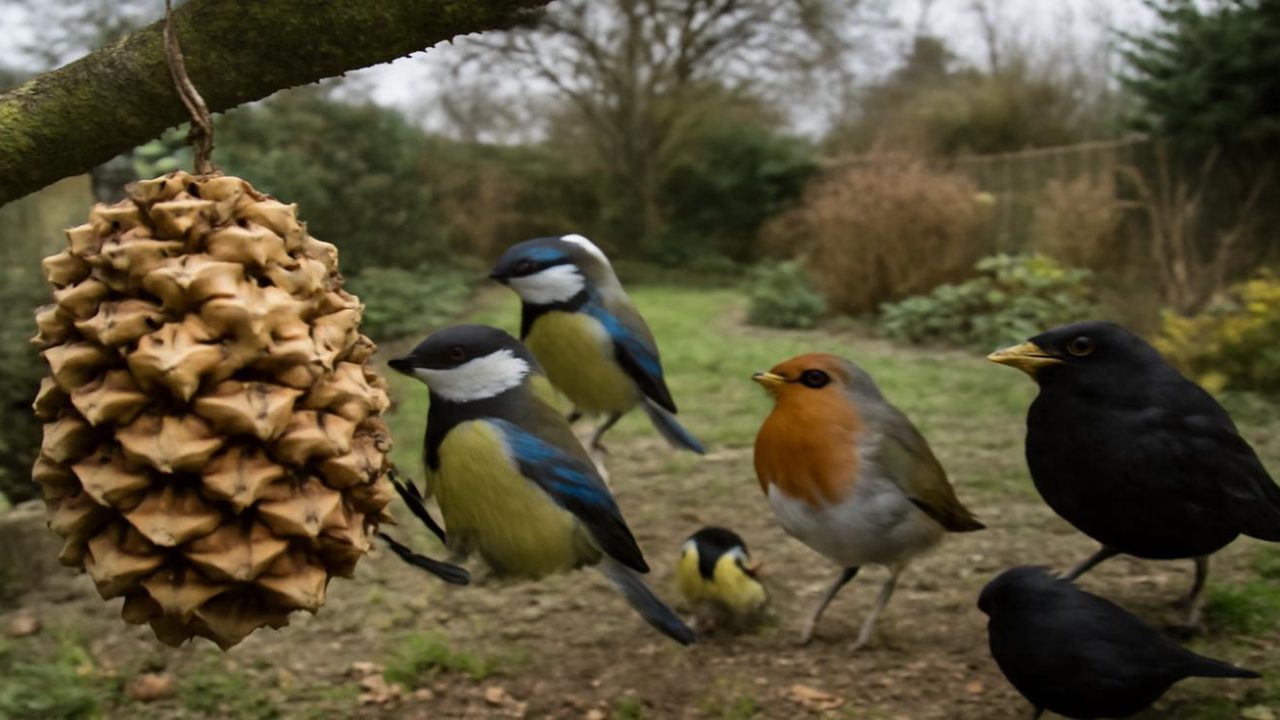
The RSPCA has issued new guidance for UK gardeners that could transform winter bird survival rates with something most people already have in their kitchen cupboards: plain, unsalted fat. This simple ingredient, when used correctly, can provide the high-energy boost that robins and other small birds desperately need during the coldest months.
Winter presents a brutal survival challenge for Britain’s garden birds. Frozen ground makes worms and beetles nearly impossible to find, while shortened daylight hours leave less time for foraging. Small birds can lose a staggering portion of their body weight just surviving a single icy night, making every calorie count.
The charity’s updated recommendations focus on smart feeding strategies rather than simply putting out more food, recognizing that modern gardens are changing in ways that make bird survival increasingly difficult.

Why Plain, Unsalted Fat Makes All the Difference
For insect-eating birds like robins, fat represents pure energy when natural food sources become scarce. The RSPCA specifically recommends plain, unsalted kitchen fats like lard or suet, used thoughtfully and mixed with other bird-safe ingredients.
The emphasis on “unsalted” isn’t arbitrary. Salt poses a serious threat to small garden birds, whose tiny bodies can’t process what humans consider “just a pinch.” Animal welfare charities have documented through decades of observation that even small amounts of salt can be dangerous for birds.
A tiny ball of homemade “bird fat mix” functions like a winter survival kit for robins and their neighbors – starlings, blackbirds, blue tits, and even the shy dunnock that skulks near garden hedges.

What to Avoid and What Works Best
The RSPCA’s guidance is clear about which fats are safe and which pose risks. Understanding these distinctions can mean the difference between helping and harming garden visitors.
| Avoid These Fats | Why They’re Dangerous | Safe Alternatives |
|---|---|---|
| Bacon fat | Too salty, goes rancid quickly | Plain lard from supermarket |
| Seasoned roast drippings | Contains salt and seasonings | Unsalted suet blocks |
| Gravy or sauce remnants | High sodium, artificial additives | Pure fat mixed with seeds/oats |
| Flavored cooking oils | Seasonings harmful to birds | Plain fat crumbled with crumbs |
The key is choosing truly plain fat – not “low salt” or “lightly seasoned,” but completely unsalted. A block of plain lard or suet from the supermarket, softened and mixed with bird-safe ingredients like seeds, oats, or breadcrumbs, provides clean energy without health risks.
Mixing fat with other ingredients serves another important purpose: it prevents the fat from smearing or coating bird feathers, which could interfere with their insulation properties.

Creating an Effective Winter Feeding Station
The RSPCA’s approach focuses on creating deliberate, thoughtful feeding opportunities rather than dumping kitchen leftovers. From a robin’s perspective, the ideal winter garden offers a low, sheltered spot where food smells interesting and accessible.
Modern UK gardens present increasing challenges for wild birds. Lawns are paved over for parking, shrubs replaced with decorative stones, and hedges trimmed into neat but wildlife-unfriendly shapes. These changes, combined with unpredictable weather patterns, create what the RSPCA describes as “a quiet crisis” at garden bird tables.
The goal is offering careful, deliberate supplementation that works with birds’ natural behaviors. Robins, for instance, are ground feeders who prefer to hop and search rather than cling to hanging feeders. A small amount of fat mixture placed in a shallow dish at ground level, protected from rain and cats, can attract these iconic red-breasted visitors.

Placement matters as much as content. The feeding area should be near natural cover but not so hidden that birds feel trapped. A spot visible from the house allows for enjoyable bird watching while ensuring the feeding station stays clean and well-maintained.
The Broader Impact on Garden Wildlife
The RSPCA’s guidance reflects growing awareness that small actions in individual gardens collectively impact wildlife populations across the UK. Climate change has disrupted traditional seasonal patterns, creating sudden frosts followed by warm spells that confuse both plants and animals.
For birds, these weather fluctuations make energy conservation critical. A reliable source of high-quality nutrition can help birds maintain their body condition through temperature swings and food shortages.

Beyond robins, this feeding strategy benefits multiple species. Blue tits, great tits, and other small songbirds all require high-energy foods during winter months. Even larger species like blackbirds and starlings benefit from the additional nutrition, though they may prefer different feeding arrangements.
The ripple effects extend beyond immediate survival. Well-nourished birds are more likely to successfully breed in spring, contributing to population stability. They’re also better able to maintain their role in garden ecosystems, controlling insect populations and pollinating plants.
What Happens Next in Your Garden
Implementing the RSPCA’s guidance requires consistency rather than complexity. Birds learn to rely on feeding stations, so once you begin providing supplemental food, maintaining that resource becomes important for their survival strategy.

Start small with a simple mixture of softened plain lard or suet combined with seeds or oats. Place it in a shallow dish in a sheltered but visible location, and clean the feeding area regularly to prevent the spread of disease.
Monitor which species visit and adjust accordingly. Some birds prefer ground feeding, while others are comfortable with elevated platforms or hanging feeders. The key is observing what works in your specific garden environment.
Weather conditions will dictate when supplemental feeding becomes most critical. During prolonged cold snaps, snow cover, or ice storms, the high-energy boost from properly prepared fat can make the difference between survival and starvation for garden birds.

Frequently Asked Questions
What type of plain fat works best for feeding garden birds?
Plain lard or suet from the supermarket works well, softened and mixed with seeds, oats, or breadcrumbs to prevent feather coating.
Why is unsalted fat so important for bird safety?
Small birds’ bodies cannot process salt safely, and what seems like a tiny amount to humans can be dangerous for them.
Which birds benefit most from winter fat feeding?
Insect-eating birds like robins, blue tits, great tits, blackbirds, starlings, and dunnocks all benefit from high-energy fat during cold weather.

How should I prepare and serve fat for garden birds?
Soften plain, unsalted lard or suet and mix with bird-safe ingredients, then place in a shallow dish in a sheltered location near natural cover.
When is supplemental feeding most critical for bird survival?
During prolonged cold snaps, snow cover, ice storms, or when frozen ground makes natural food sources inaccessible.
Can I use cooking fat or drippings from meat preparation?
No, avoid bacon fat, seasoned drippings, gravies, or flavored oils as these contain salt and additives harmful to birds.











Leave a Comment